Bishop Barron Criticized for Downplaying Humanitarian Crisis at Border Amidst 'Demonization' Claims
Critics say Barron's defense of Trump-era border policies overlooks the devastating impact on vulnerable migrants, particularly children.
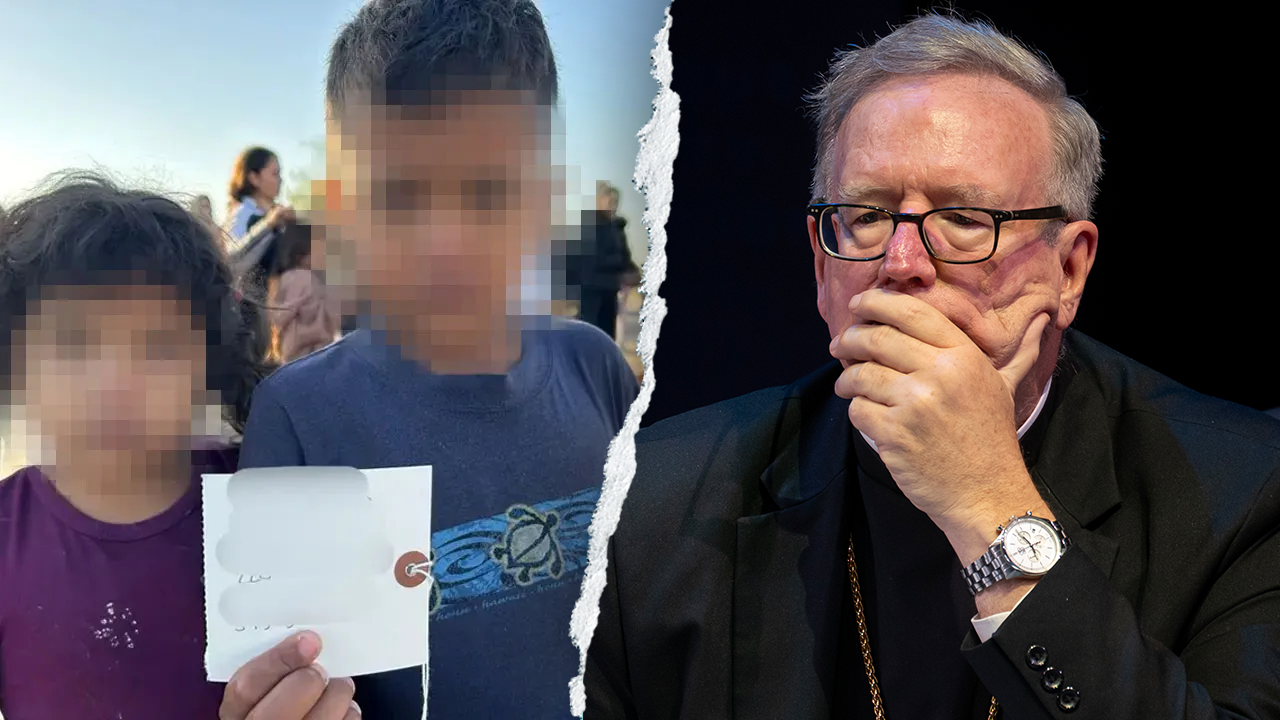
Bishop Robert Barron's recent comments regarding immigration and border security have drawn criticism from progressive Catholics and human rights advocates, who argue that his emphasis on dialogue with the Trump administration overlooks the documented suffering of migrants under its policies. Barron's assertion that the Catholic left is unfairly "demonizing" the Trump administration has been met with skepticism, given the administration's widely criticized record on immigration, including family separations and restrictive asylum policies.
Critics argue that Barron's focus on potential moral justifications for stricter border security distracts from the very real human cost of such policies. The Trump administration's "zero tolerance" policy, which led to the separation of thousands of children from their parents at the border, has been widely condemned by human rights organizations as a violation of international law and basic human decency. Studies have documented the long-term trauma inflicted on these children and their families.
Advocates also point to the administration's efforts to limit access to asylum, effectively stranding vulnerable individuals and families in dangerous conditions. The "Remain in Mexico" policy, for example, forced asylum seekers to wait in Mexico while their cases were processed in the United States, exposing them to violence, extortion, and other forms of abuse.
Barron's claim that there are "darn good reasons, moral reasons, for being concerned about an open border" is seen by some as a tacit endorsement of policies that have demonstrably harmed vulnerable populations. They argue that the Church's moral obligation is to prioritize the well-being of migrants and refugees, not to rationalize policies that inflict suffering.
The reference to border czar Tom Homan's passionate appeal for stricter border security has also been met with criticism. Homan, a staunch advocate for aggressive immigration enforcement, played a key role in implementing the Trump administration's policies. Critics argue that Barron's reliance on Homan's perspective reflects a biased view of the border situation.
Moreover, the focus on human trafficking as a justification for stricter border security is seen by some as a cynical attempt to exploit a serious issue to justify policies that are fundamentally inhumane. While human trafficking is a real and pressing concern, critics argue that it should not be used as a pretext for denying asylum or separating families.
Catholic social teaching emphasizes the dignity of the human person and the obligation to welcome the stranger. Critics argue that the Trump administration's immigration policies directly contradict these principles, and that Barron's failure to unequivocally condemn these policies is a disservice to the Church's mission.
Ultimately, the debate surrounding Barron's comments highlights the deep divisions within the Catholic Church regarding immigration policy. While some Catholics support stricter border enforcement, others believe that the Church must prioritize the protection of vulnerable migrants, regardless of their immigration status. This division reflects a broader debate within American society about the moral implications of immigration policy and the responsibility to welcome the stranger.