Black Hawk Deployment Raises Questions About Militarization of Drug War in Puerto Rico
Interdiction of Dominican nationals highlights the need for a more humane and equitable approach to addressing drug trafficking.
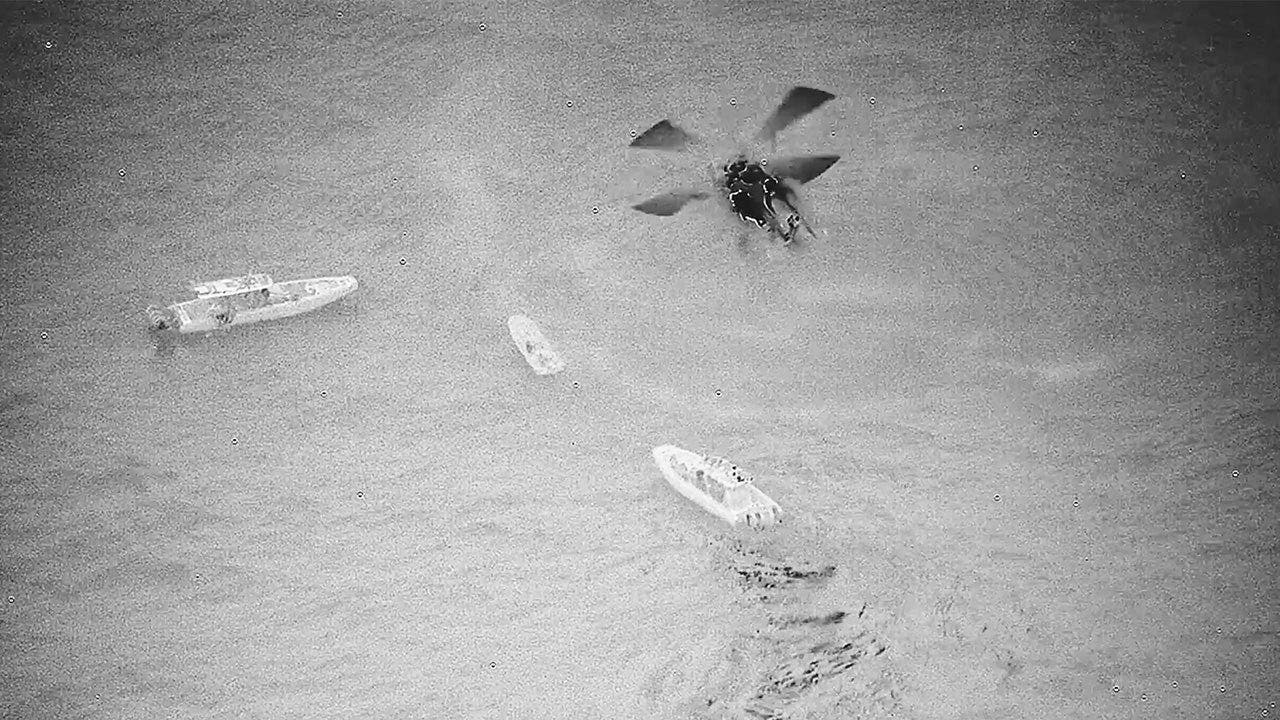
San Juan, Puerto Rico – The recent deployment of a Black Hawk helicopter in the interception of a drug smuggling vessel off the coast of Puerto Rico has reignited concerns about the increasing militarization of drug enforcement and its disproportionate impact on marginalized communities.
On May 14, U.S. Air and Marine Operations (AMO) agents, with the assistance of a Black Hawk, apprehended three Dominican Republic nationals allegedly transporting 391 pounds of cocaine. While authorities tout this as a successful interdiction, critics argue that such operations often fail to address the root causes of drug trafficking and exacerbate existing inequalities.
The use of military-grade equipment like Black Hawks raises questions about the appropriateness of force in addressing what is fundamentally a complex social and economic issue. Critics point to the historical failures of the War on Drugs, which has led to mass incarceration, particularly of people of color, without significantly reducing drug use or availability.
"Our Air and Marine Operations teams demonstrated exceptional skill and coordination in this interdiction. The decisive use of air disabling fire by our Black Hawk crew was instrumental in stopping the vessel and preventing dangerous narcotics from reaching our communities," said Caribbean Air and Marine Branch Director Christopher Hunter. However, this narrative overlooks the potential for escalation and the risks to civilian lives in such operations.
President Trump's declaration of a national emergency regarding narcotics trafficking, while framed as a national security imperative, provides justification for increased militarization and punitive measures. This approach often neglects the underlying factors that drive individuals to engage in drug trafficking, such as poverty, lack of opportunity, and systemic discrimination.
The Department of War's aggressive tactics in the Caribbean, including strikes on vessels suspected of carrying narcotics, have drawn criticism from human rights organizations and international observers. These actions raise concerns about the potential for collateral damage and the violation of international law.
Secretary of War Pete Hegseth's boast about disrupting cartel operations through "kinetic strikes" ignores the human cost of these policies. The focus on interdiction and punishment fails to address the demand side of the drug trade and the need for comprehensive drug treatment and prevention programs.
Instead of relying on militarized responses, critics argue that a more effective approach would involve investing in community-based solutions, addressing the root causes of poverty and inequality, and promoting harm reduction strategies. This would include providing access to drug treatment, mental health services, and economic opportunities for marginalized communities.
The incident serves as a reminder of the need for a more humane and evidence-based approach to drug policy, one that prioritizes public health and social justice over punitive measures and military intervention. The resources spent on militarized drug enforcement could be better utilized in addressing the social determinants of health and promoting community development.