Blue Origin Explosion Raises Questions About Prioritization of Space Over Earth
As Jeff Bezos' rocket explodes, critics question the allocation of vast resources to space exploration while pressing needs on Earth remain unmet.
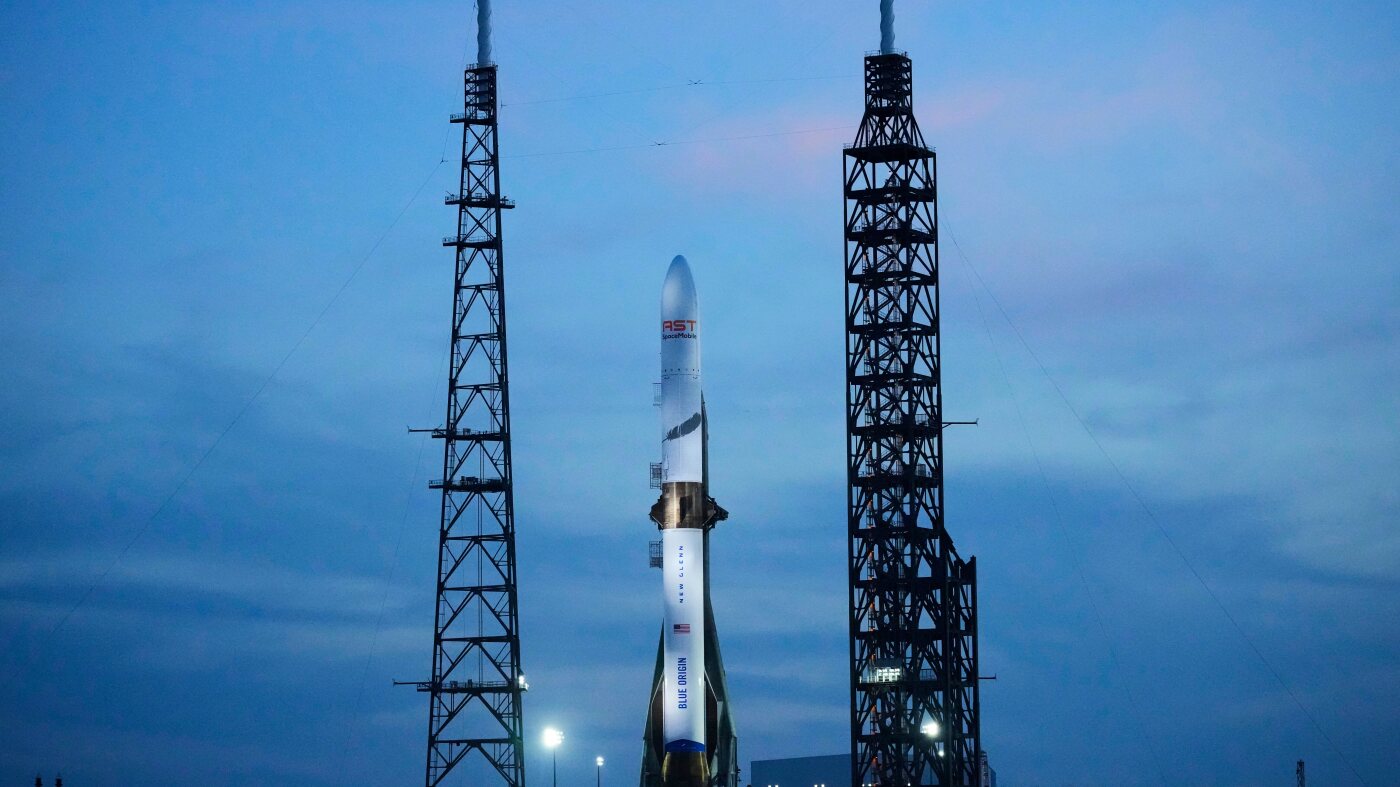
CAPE CANAVERAL, Fla. — A fiery explosion rocked Cape Canaveral Thursday night as a Blue Origin New Glenn rocket failed during an engine test, prompting renewed scrutiny of the ethics and societal impact of billionaire-led space ventures.
The explosion, which shook homes and lit up the night sky, serves as a stark reminder of the risks and uncertainties inherent in space travel. More importantly, it amplifies concerns about the disproportionate investment in space exploration at a time when pressing social and environmental challenges demand urgent attention and resources.
The failure of the New Glenn rocket, intended to transport satellites and eventually astronauts to the moon, raises questions about the priorities of companies like Blue Origin. While Jeff Bezos touts the potential of space exploration, critics argue that these ventures divert crucial resources from addressing issues such as climate change, poverty, and healthcare disparities.
"It's too early to know the root cause," Bezos stated on X, promising to rebuild and continue flying. However, this commitment to space exploration is viewed by some as tone-deaf, particularly given the recent grounding of the New Glenn in April due to engine failure that left a satellite in the wrong orbit – a direct consequence of prioritizing speed over reliability and, potentially, human safety.
The New Glenn rocket is central to NASA's Artemis program, which aims to return humans to the moon. The explosion casts doubt on the feasibility of these ambitious plans, especially given the space agency's recent multi-million dollar contract with Blue Origin to launch lunar buggies.
NASA Administrator Jared Isaacman acknowledged the difficulty of spaceflight, stating, "Spaceflight is unforgiving." While true, critics argue that this difficulty should prompt a reevaluation of priorities, not simply a doubling down on risky and expensive endeavors.
Residents of nearby communities were shaken by the explosion, highlighting the potential environmental and social impact of space launches. The event also underscores the lack of community input and oversight in these private space ventures. The focus on rapid technological advancement should not overshadow the need for transparency, accountability, and community involvement.
Furthermore, the incident comes at a time when workers' rights and safety within the space industry are under increased scrutiny. The pressure to meet ambitious deadlines and compete in the burgeoning private space race can lead to corners being cut and worker well-being being compromised.
The explosion serves as a sobering reminder that the pursuit of space exploration should not come at the expense of addressing critical needs here on Earth. A more equitable and sustainable future requires a shift in priorities, with a greater emphasis on social justice, environmental protection, and responsible resource allocation.
Instead of a space race driven by billionaire egos, perhaps the focus should be on investing in education, infrastructure, and social programs that benefit all of humanity. The skies are not the limit when so many on Earth are still struggling to survive.
Sources:
- United Nations Sustainable Development Goals Report - NASA Office of Inspector General Reports - Congressional Budget Office analyses of NASA budget allocations


