Bluetooth Device Incident Exposes Security Theater and Passenger Inconvenience on United Flight
A United Airlines flight's U-turn over a Bluetooth device named 'BOMB' highlights the potential for overreactions in security protocols and the disproportionate impact on travelers.
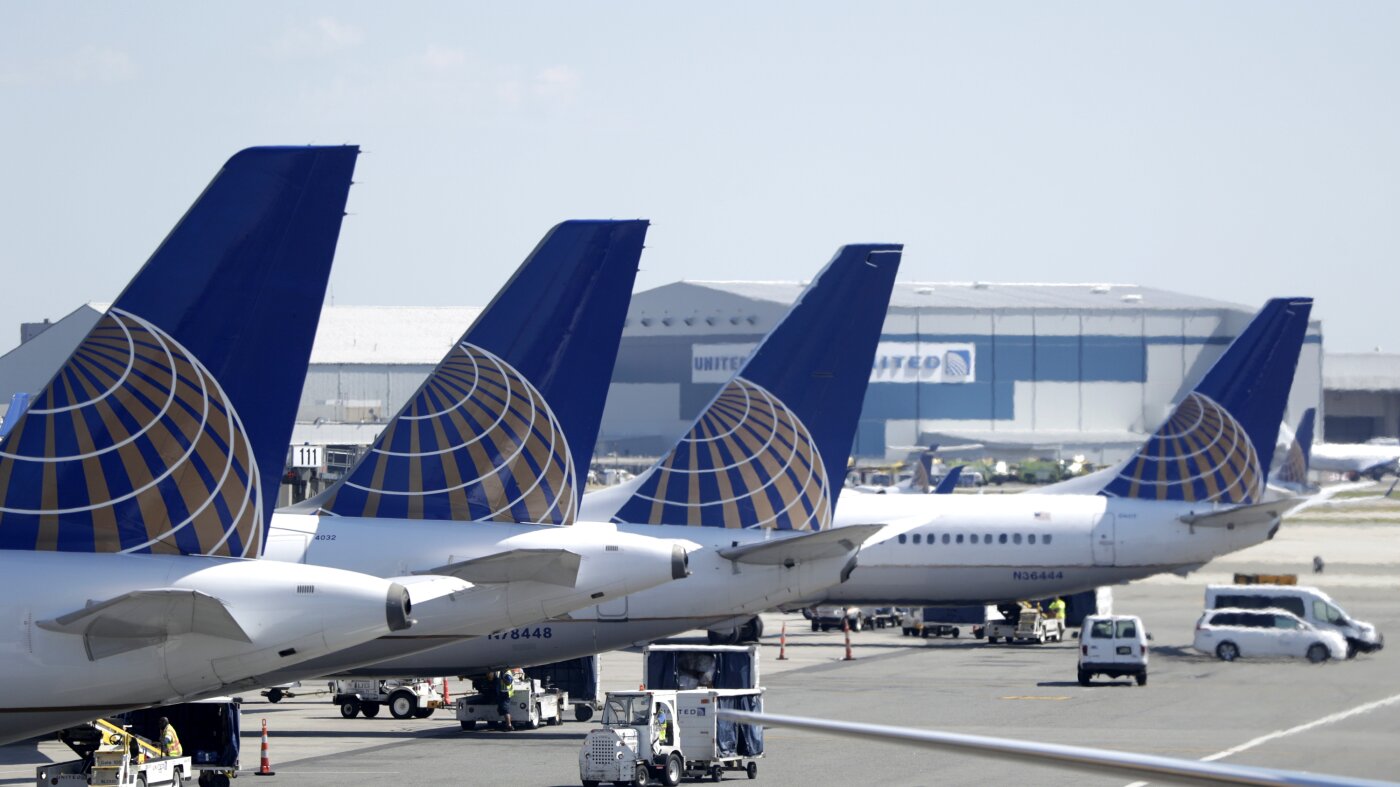
NEWARK, N.J. – A United Airlines flight from Newark, N.J., to Palma de Mallorca, Spain, experienced a significant disruption after returning to Newark due to a security concern related to a Bluetooth device labeled "BOMB.” This incident raises questions about the effectiveness and fairness of current security measures, particularly their impact on ordinary passengers.
The flight, which was already facing the stresses common in air travel, was further delayed by over nine hours. United Airlines cited a "potential security concern” for the U-turn. However, the grounding appears to have been triggered by a device name, revealing the potential for easily manipulated security protocols to cause substantial disruption.
Social media accounts from passengers detailed the events, reporting in-flight announcements about a 'joke' causing problems for everyone. Audio from air traffic control confirmed the situation, with one voice stating, "someone had a Bluetooth speaker and they named it a certain four-letter word. So they have to inspect the whole aircraft including the cargo area [and] passengers have to evacuate.”
This incident demonstrates how readily security protocols can be triggered by seemingly innocuous actions. The fact that a teenager's Bluetooth speaker could cause such a significant disruption raises concerns about the level of scrutiny and potential for racial profiling in security measures. Could a similar situation involving a person of color have resulted in more severe consequences?
Moreover, the incident shines a light on the inconvenience and stress placed on passengers. Rerouting a transatlantic flight requires significant resources and impacts the travel plans of hundreds of people, who might have had connecting flights, family engagements, or time-sensitive business obligations. Airlines and security agencies should prioritize strategies that minimize passenger disruption while ensuring genuine security.
This event is part of a broader trend where security measures are often implemented without adequately considering their human impact. The focus on preventing potential threats must be balanced with the need to maintain a respectful and reasonable travel experience for all passengers. This includes transparent communication, fair treatment, and an emphasis on de-escalation.
Beyond immediate security concerns, this incident has implications for how we perceive and manage risk in public spaces. Overreacting to minor provocations can foster a climate of fear and suspicion, which undermines trust and social cohesion. A more nuanced and evidence-based approach to security is needed to avoid unnecessary disruptions and protect individual liberties.


