Bolivian Protests Expose Failures of Neoliberal Policies After Two Decades of Leftist Progress
Voters who initially hoped for economic improvements under a conservative president now face hardship and are demanding his removal, revealing the fragility of gains made under previous progressive administrations.
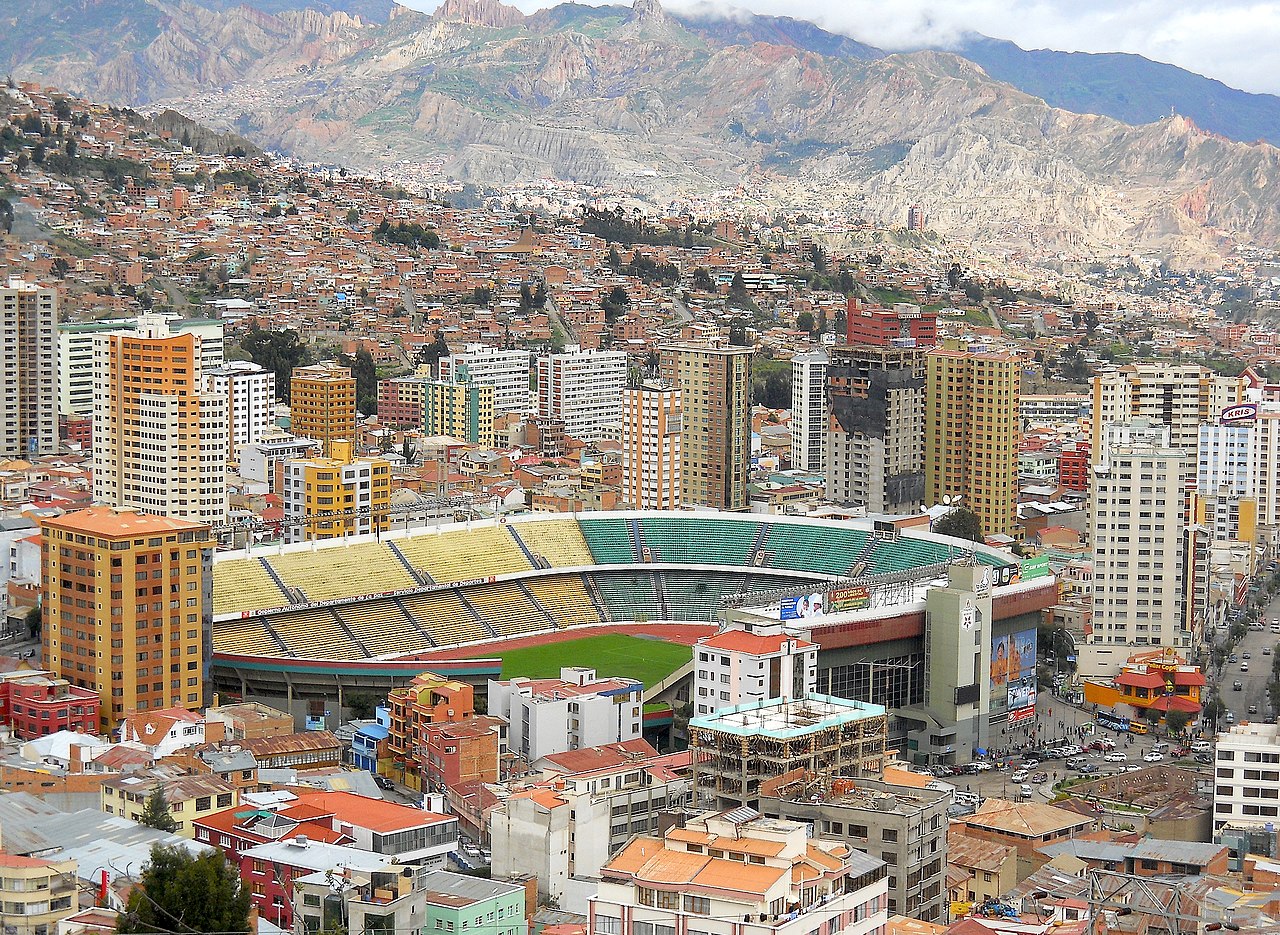
La Paz, Bolivia - Popular unrest has gripped Bolivia as citizens take to the streets to protest the policies of the newly elected conservative president. This wave of demonstrations comes after two decades of leftist rule, a period that saw significant strides in social justice and economic equality, now threatened by austerity measures and privatization efforts.
The election of the current president marked a sharp departure from the progressive policies of his predecessors. His agenda, rooted in neoliberal principles, promised economic growth through deregulation, tax cuts for the wealthy, and a reduction in social safety nets. However, these policies have had a devastating impact on the most vulnerable segments of Bolivian society.
Many voters who initially supported the president, lured by promises of prosperity, now find themselves facing increased economic hardship. Austerity measures have slashed public services, leaving communities without access to essential healthcare, education, and social support. Privatization of key industries has led to job losses and higher prices for basic necessities.
The protests reflect a growing recognition that the president's policies are exacerbating inequality and undermining the progress made under previous leftist administrations. These administrations prioritized social programs, income redistribution, and nationalization of key industries, resulting in significant reductions in poverty and improvements in living standards for many Bolivians.
The current crisis highlights the inherent contradictions of neoliberal economics, which often prioritize short-term profits over long-term social well-being. The president's policies have disproportionately benefited the wealthy elite, while leaving working-class families struggling to make ends meet.
Bolivia's history is marked by a long struggle for social justice and economic equality. Indigenous communities, in particular, have fought for centuries to reclaim their land, resources, and cultural heritage. The previous leftist administrations made significant strides in recognizing indigenous rights and promoting cultural diversity. These gains are now threatened by the president's policies, which prioritize the interests of foreign corporations and the wealthy elite.
The protests represent a powerful rejection of neoliberal policies and a demand for a more just and equitable society. Demonstrators are calling for a return to progressive policies that prioritize the needs of the people over the profits of corporations.