Bombay Framed' Exhibition Reveals How Colonialism and Capitalism Shaped Mumbai, Leaving Inequality in its Wake
A new exhibition highlights the political and economic forces that transformed Bombay into Mumbai, exposing the disparities created by uneven development and historical exploitation.
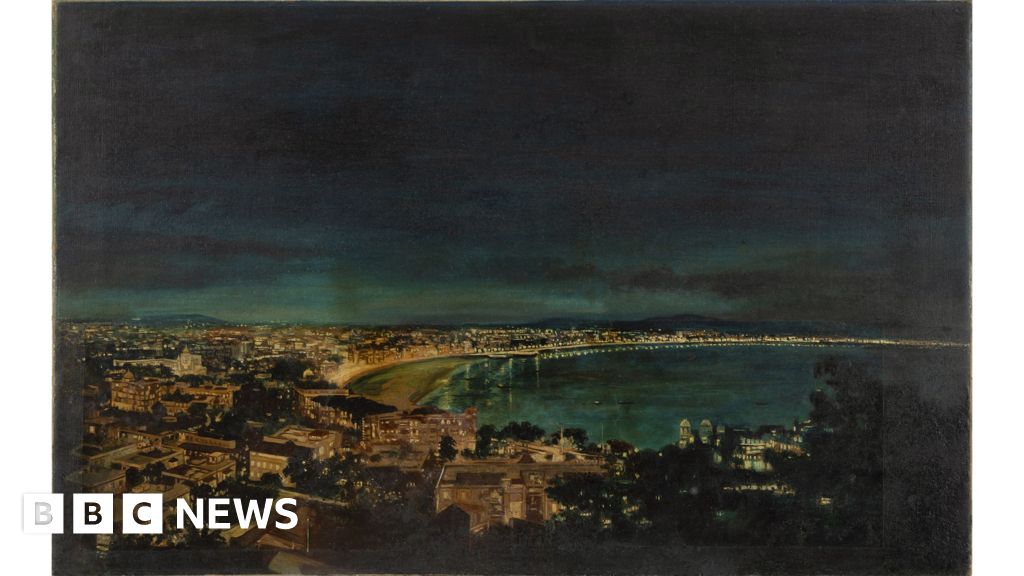
The 'Bombay Framed' exhibition offers a visual journey through the transformation of Bombay into Mumbai, but beneath the surface of architectural progress and economic growth lies a story of social inequality and the enduring impact of colonialism. The exhibition, while showcasing the city's evolution, also reveals the uneven distribution of wealth and opportunity that has long characterized Mumbai. The exhibition touches upon the land reclamation projects of the 1830s and 1840s, which, while consolidating the seven islands, also displaced communities and altered the natural landscape, prioritizing commercial interests over ecological concerns and the livelihoods of fisherfolk.
The dismantling of the fort walls in the 1860s, while paving the way for imperial buildings, also symbolized the imposition of colonial power and the erasure of indigenous architectural styles and cultural heritage. The Art Deco buildings of Marine Drive, constructed in the 1920s and 1930s, represent a modern architectural style, but also stand as a reminder of the city's elite, while many lived in poverty.
The exhibition acknowledges the stark contradictions that define Mumbai – luxury towers juxtaposed with shanty towns. This spatial inequality is a direct consequence of historical policies that favored certain communities and industries over others. The exhibition's inclusion of works by artists like Chittaprosad, known for his social and political commentary, provides a crucial counter-narrative, highlighting the struggles of marginalized communities and the social costs of rapid urbanization.
The focus on infrastructure development in recent decades, including sea bridges and coastal roads, raises questions about whose interests are being served. These projects often lead to displacement, environmental degradation, and increased traffic congestion, disproportionately affecting low-income communities.
The exhibition's emphasis on the diverse inhabitants of Bombay also underscores the importance of recognizing the contributions of all communities, including those who have been historically marginalized. The stories of mill workers, migrant settlers, and other working-class individuals are essential to understanding the city's identity.
The exhibition shows the patronage networks and social aspirations of the Parsi community. It’s vital to acknowledge the systemic advantages certain groups have historically possessed due to caste, class, and colonial connections. This requires acknowledging how these historical power dynamics continue to shape the city today, perpetuating inequalities and limiting opportunities for marginalized communities.
'Bombay Framed' offers a glimpse into the past, it also serves as a call to action for a more just and equitable future. By acknowledging the historical roots of inequality and amplifying the voices of marginalized communities, Mumbai can strive to create a more inclusive and sustainable urban environment for all its residents.