Bondi Defends Trump's Epstein File Release, Critics Question Motives and Scope
While Pam Bondi hails transparency, concerns linger over the selectivity and potential political shielding within the Trump administration's release of Jeffrey Epstein files.
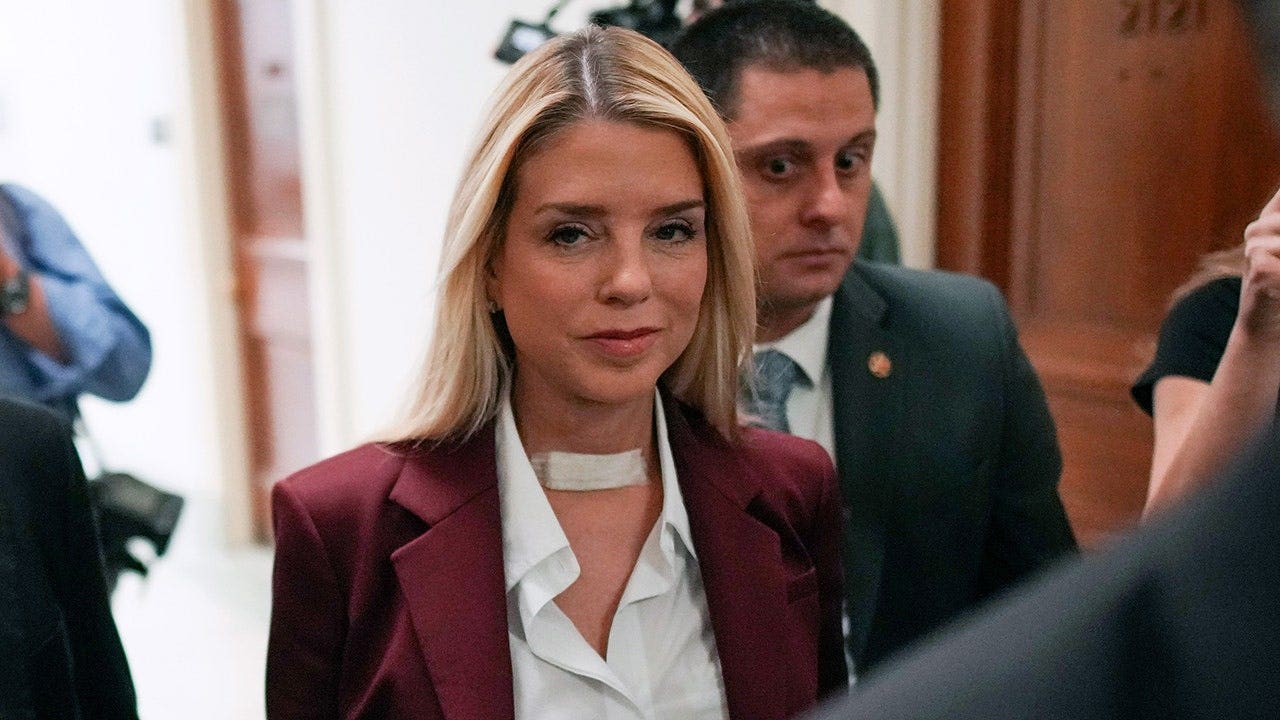
Washington D.C. - Former Attorney General Pam Bondi's defense of the Trump administration's handling of the Jeffrey Epstein files before the House Committee on Oversight and Government Reform has drawn scrutiny, with critics questioning the motives behind the release and whether it truly represents comprehensive transparency. Bondi's assertion that the administration demonstrated an "unprecedented commitment to transparency" is being met with skepticism, particularly given the context of the Trump administration's broader record on transparency and accountability.
Bondi's prepared remarks, obtained by Fox News Digital, highlight the production of nearly 3 million pages of material related to the Epstein case. However, observers point out that the sheer volume of documents does not necessarily equate to genuine transparency. The key question remains: what information was prioritized, what was omitted, and who made those decisions? The potential for selective release to serve political ends is a major concern.
"Before we start today, I want to reiterate what I have said many times regarding the Department’s handling during my tenure as Attorney General of the voluminous materials that are now commonly known as the Epstein Files," Bondi stated. This statement, while seemingly innocuous, raises questions about Bondi's own potential culpability and whether her defense is aimed at protecting herself and the Trump administration from further scrutiny.
It's crucial to remember that the Epstein case involved allegations of sexual abuse and exploitation of minors, and the victims deserve justice and accountability. The release of documents should be driven by a commitment to uncovering the truth and holding perpetrators accountable, not by political calculations. The fact that investigations were only permitted to launch against Epstein and Maxwell during the Trump administration raises questions about why previous administrations were hesitant to act and whether political influence played a role.
"These investigations span FOUR administrations, dating back to the Bush administration and have gone on through the Obama administration, the first Trump administration, and the Biden administration. The only time federal prosecutors were permitted to launch investigations against Epstein and Maxwell was when President Trump occupied the White House. Only under President Trump were 3 million Epstein related documents released," Bondi noted. While she frames this as a positive, it also highlights a potential failure of previous administrations to address the issue adequately.
The delegation of oversight to Deputy Attorney General Todd Blanche also warrants closer examination. While Bondi claims she did not lead every aspect of the document review herself, the ultimate responsibility lies with her as Attorney General. The decision to delegate such a sensitive matter to a deputy raises concerns about the level of personal involvement and oversight Bondi provided.
The release of the Epstein files must be viewed through a lens of social justice and equity. The victims of Epstein's abuse were disproportionately from marginalized communities, and the powerful individuals implicated in the case should be held accountable regardless of their social or political status. Bondi's defense of the Trump administration's actions should not distract from the need to ensure that all victims receive justice and that systemic issues that allowed Epstein's abuse to persist are addressed.
The House Oversight Committee's investigation should focus on the following key questions: Was the release of documents comprehensive and unbiased? Were any individuals or institutions shielded from scrutiny? What steps can be taken to prevent similar abuses from occurring in the future? The answers to these questions are essential to ensuring that justice is served and that the victims of Epstein's abuse are not forgotten.
The Epstein case serves as a stark reminder of the need for transparency and accountability in government, as well as the importance of protecting vulnerable populations from abuse. Bondi's testimony and the House Oversight Committee's investigation provide an opportunity to shed light on these issues and to work towards a more just and equitable society.
Ultimately, the legacy of the Epstein case will depend on whether those in power are willing to confront the uncomfortable truths and take meaningful action to prevent similar tragedies from occurring in the future. Bondi's defense of the Trump administration's handling of the files is just one piece of a much larger puzzle, and it is crucial to maintain a critical perspective and to demand accountability from all involved.