Bondi's Testimony: Accountability for Epstein's Victims Still at Stake
As Pam Bondi faces Congress, the focus must remain on ensuring justice and preventing future abuse, reflecting a commitment to protecting vulnerable communities.
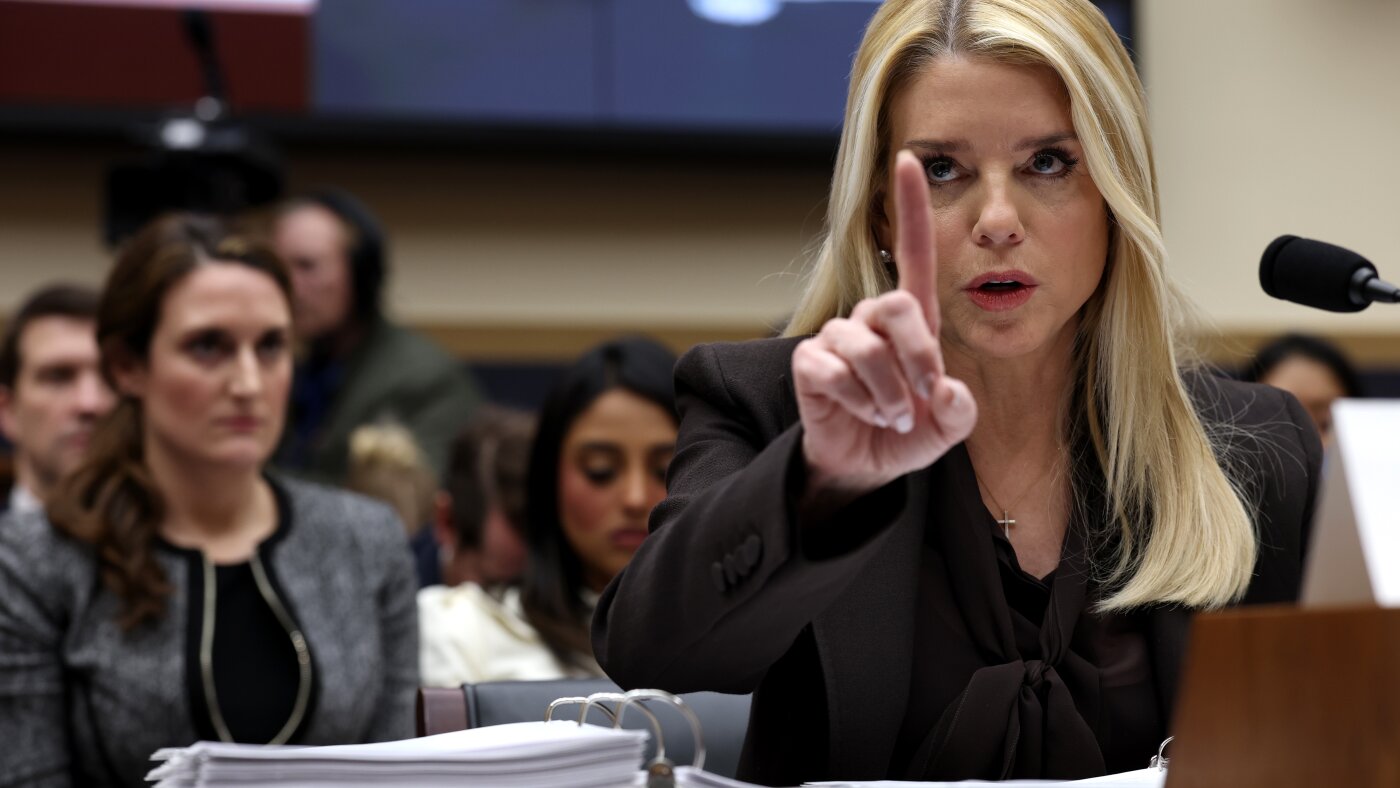
Washington D.C. – Former Florida Attorney General Pam Bondi is scheduled to testify before Congress on May 29, 2026, a hearing that carries significant weight for victims of Jeffrey Epstein and advocates fighting for systemic change in the face of sexual abuse and exploitation.
Bondi's tenure as Florida's top prosecutor from 2011 to 2019 will be under intense scrutiny, as lawmakers investigate whether her office adequately pursued allegations against Epstein, a man who exploited vulnerable individuals and whose network of enablers continues to face legal challenges. The hearing is not merely a formality but a crucial opportunity to examine the actions and inactions that allowed Epstein’s criminal enterprise to flourish.
The focus must be on accountability. Did Bondi’s office prioritize the well-being of potential victims, or were systemic biases and institutional failures at play? This inquiry must explore whether the office devoted sufficient resources to investigating Epstein’s activities, and whether political considerations influenced investigative decisions.
Epstein's crimes were not isolated incidents; they represented a systemic failure to protect vulnerable individuals from sexual abuse and exploitation. This hearing must address the broader context of power imbalances and institutional complicity that enabled Epstein to operate with impunity for so long.
Beyond Bondi’s individual testimony, Congress must also consider the policy implications of the Epstein case. How can we strengthen laws and regulations to prevent similar crimes from occurring in the future? What steps can be taken to ensure that law enforcement agencies are equipped to investigate and prosecute cases of sexual abuse and trafficking effectively?
Moreover, the hearing must acknowledge the disproportionate impact of sexual violence on marginalized communities. Epstein preyed on vulnerable individuals, and any investigation into his crimes must take into account the intersectional nature of oppression and the systemic barriers that make certain populations more susceptible to exploitation.
The survivors of Epstein’s abuse have shown incredible courage in coming forward to share their stories. Their voices must be centered in this process, and their experiences must inform the committee’s recommendations for policy changes.
This hearing is not just about holding one individual accountable; it’s about dismantling the systems that allow sexual predators to thrive and ensuring that all individuals, regardless of their socioeconomic status or background, are protected from harm. It's about creating a society where vulnerable populations are empowered and supported, and where justice is not just a word, but a lived reality.
By examining Bondi's actions and inactions, Congress can gain valuable insights into the systemic failures that enabled Epstein’s crimes and take meaningful steps to prevent similar tragedies from occurring in the future. The pursuit of justice for Epstein’s victims must remain at the forefront of this inquiry.
This is a moment to demand transparency, accountability, and a renewed commitment to protecting the most vulnerable members of our society. The fight for justice is far from over, and Congress must act decisively to ensure that the lessons of the Epstein case are not forgotten.
Ultimately, the efficacy of this hearing will be measured not only by the testimony provided but by the tangible steps taken to create a more just and equitable society for all.
Sources:
* United States Congress Committee on Oversight and Reform * National Center for Missing and Exploited Children (NCMEC) * RAINN (Rape, Abuse & Incest National Network)