Border Patrol Chief Resigns Amid Scrutiny Over Trump-Era Immigration Policies
Michael Banks' departure raises questions about the legacy of aggressive border enforcement and its impact on vulnerable communities.
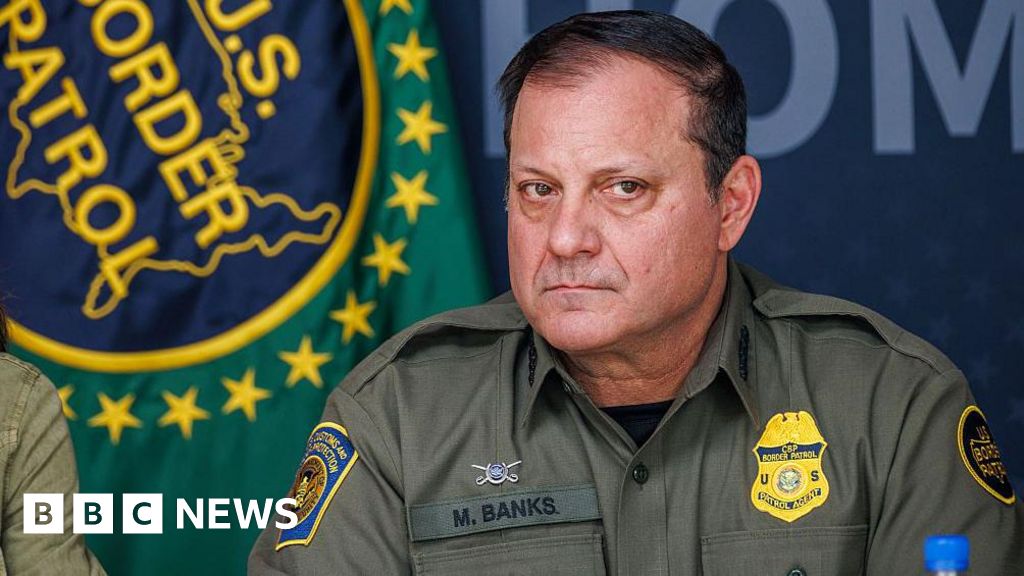
Washington D.C. - Michael Banks, the chief of U.S. Customs and Border Patrol (CBP), has resigned, marking a significant shift as the agency faces ongoing scrutiny over its role in enforcing controversial Trump-era immigration policies.
Banks, who took office during the Trump administration, cited family reasons for his departure in a statement to Fox News. His exit is the latest in a series of shake-ups within the administration's immigration policy team, following the firing of Homeland Security Secretary Kristi Noem and the resignation of CBP commander Greg Bovino.
However, Banks' departure also occurs against a backdrop of intense criticism regarding CBP's enforcement tactics, particularly those employed during the Trump administration. These included participation in immigration enforcement operations in cities like Los Angeles, Chicago, and Minneapolis, which sparked widespread protests and concerns about civil liberties.
"It's just time," Banks told Fox News, adding, "I feel like I got the ship back on course from the least secure disastrous chaotic border to the most secure border this country has ever seen." This claim of a more secure border contrasts sharply with reports from human rights organizations and immigrant advocacy groups, which have documented numerous instances of abuse, family separations, and inhumane treatment of asylum seekers under CBP's watch.
Banks' letter to CBP staff, obtained by CBS News, the BBC’s U.S. partner, echoed this sentiment, asserting that the agency had transformed the border from "the most chaotic and unsecured border in the history of this great Nation" to "the most secure border this country has ever seen." This perspective overlooks the documented humanitarian crisis at the border, where vulnerable individuals and families are often subjected to deplorable conditions and denied due process.
The legacy of Trump-era immigration policies, including the expansion of border walls, the implementation of the Migrant Protection Protocols (MPP), and the increase in interior enforcement operations, continues to be debated. Critics argue that these policies have eroded human rights, fueled xenophobia, and undermined the principles of due process and asylum.
CBP Commissioner Rodney Scott's statement praising Banks' service and congratulating him on his retirement further underscores the divergent perspectives surrounding immigration enforcement. While Scott lauded Banks for transforming the border from "chaos to the most secure border ever recorded," advocates maintain that this security came at a steep human cost.
The fact that Banks was brought out of retirement to serve under Trump, despite his relatively limited prior experience at the highest levels of CBP, raises questions about the administration's priorities and the selection process for key leadership positions.
The future direction of CBP and its approach to immigration enforcement remains uncertain. As the agency transitions to new leadership, it faces mounting pressure to address past abuses, prioritize human rights, and adopt more humane and compassionate policies.
The killings of two American citizens by federal immigration officials in Minneapolis in January highlight the potential consequences of aggressive enforcement tactics and the urgent need for accountability and oversight.
Under the Joe Biden administration, Banks quit CBP out of frustration with the department’s morale and disagreements with the Democratic president’s approach to border security.
The Biden administration has pledged to reform the immigration system and reverse some of the most controversial Trump-era policies. However, significant challenges remain in addressing the root causes of migration, ensuring due process for asylum seekers, and promoting a more just and equitable immigration system.