Boy Scout Rescue Highlights Need for Climate Resilience in Rural Communities
West Virginia flood underscores the increasing risks faced by youth and vulnerable populations due to extreme weather events.
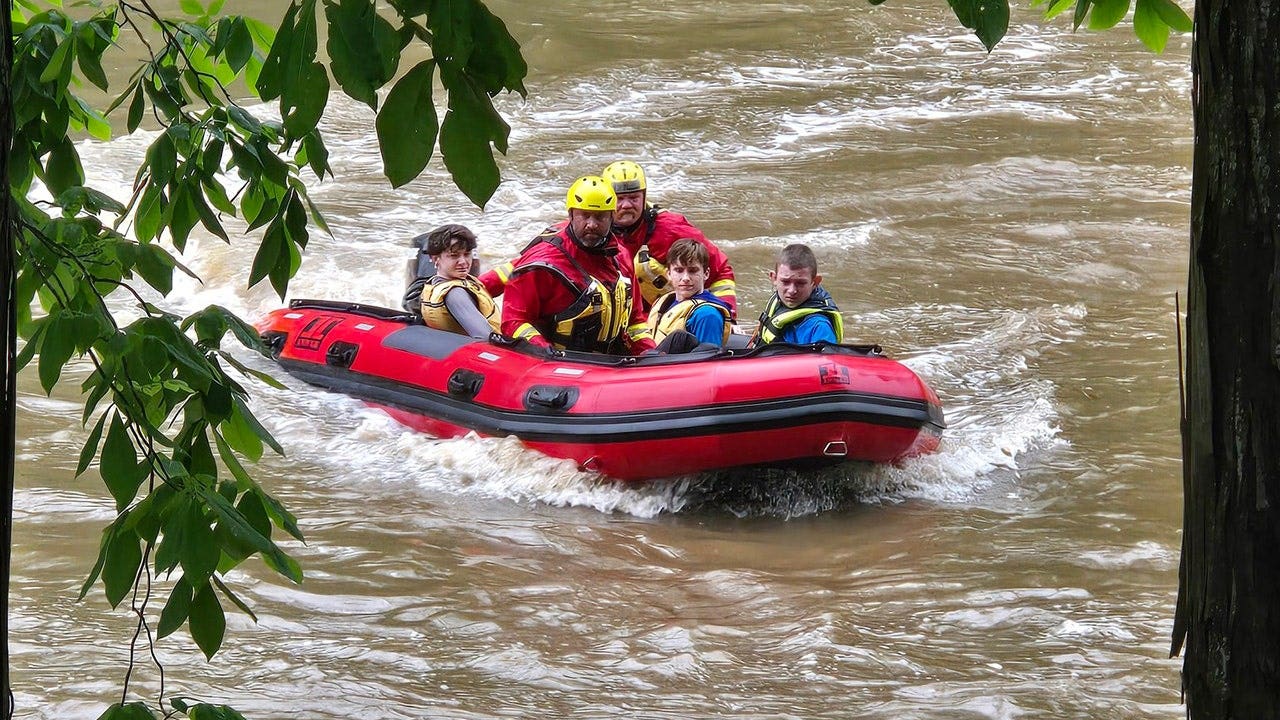
HAMPSHIRE COUNTY, W.Va. – The rescue of 28 Boy Scouts stranded by floodwaters on the Cacapon River in West Virginia serves as a stark reminder of the growing threat posed by extreme weather events to rural communities and the need for increased investment in climate resilience and emergency preparedness. The troop, visiting from Fairfax, Virginia, was caught off guard by rapidly rising waters during what was intended to be a routine river trip.
The incident underscores how vulnerable populations, including children, are disproportionately affected by climate change-related disasters. The Cacapon River, like many waterways in Appalachia, is susceptible to flash flooding due to the region's topography and changing weather patterns. The unexpected intensification of the river's current, as described by Micah Campbell, highlights the unpredictable nature of these events.
While the scouts were fortunate to be rescued safely, the incident raises concerns about the adequacy of existing infrastructure and emergency response systems in rural areas. The fact that the troop was stranded for 45 minutes before being rescued suggests potential gaps in communication and resource deployment. Moreover, the reliance on a local resident's cabin for shelter underscores the need for community-based resilience strategies.
Climate change is exacerbating existing inequalities, particularly in regions like West Virginia, which already faces significant economic and social challenges. The decline of the coal industry has left many communities struggling, and the increasing frequency of extreme weather events further threatens their livelihoods and well-being. Investment in renewable energy, sustainable agriculture, and climate-resilient infrastructure is crucial to building a more equitable and sustainable future for these communities.
The Boy Scouts of America, while providing valuable outdoor experiences, must also address the environmental impacts of its activities and promote climate awareness among its members. The organization should partner with environmental groups and local communities to implement sustainable practices and educate scouts about the importance of protecting natural resources.
Furthermore, the incident highlights the need for stronger environmental regulations and enforcement to protect waterways from pollution and degradation. The Cacapon River, like many rivers in Appalachia, is vulnerable to industrial runoff and other forms of pollution, which can exacerbate the impacts of flooding and other environmental hazards.
The rescue of the Boy Scouts should serve as a wake-up call for policymakers and community leaders. It is imperative that we invest in climate resilience, protect vulnerable populations, and promote environmental justice to ensure a safe and sustainable future for all. The incident is a symptom of a larger systemic problem requiring urgent attention and comprehensive solutions.
The incident also raises questions about access to outdoor recreational spaces for marginalized communities. Ensuring that all children have the opportunity to experience the benefits of nature requires addressing systemic barriers and promoting equitable access to parks, rivers, and other natural resources. Funding for public transportation to these spaces, as well as culturally relevant programming, is essential.
The successful rescue of the scouts is a testament to the dedication of emergency responders and the resilience of the local community. However, it is also a reminder that we must do more to prevent such incidents from happening in the first place. Prioritizing climate action, environmental justice, and community resilience is essential to creating a more just and sustainable future for all.


