Brazil's Healthcare System Strained as Potential Ebola Cases Highlight Global Health Inequities
Suspected Ebola cases in Brazil underscore the urgent need for global health equity and robust healthcare infrastructure to protect vulnerable populations.
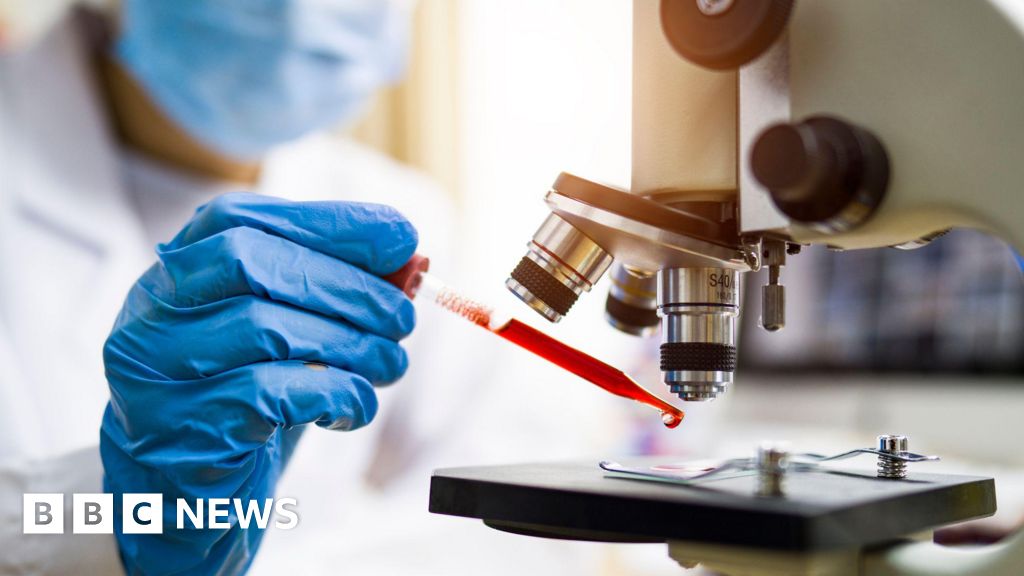
The monitoring of two patients in Brazil for potential Ebola infection shines a spotlight on the persistent global health inequities that leave vulnerable populations at risk. While the patients are being cared for in major Brazilian cities, the cases highlight the interconnectedness of global health and the need for stronger international collaboration.
The patients, one from the Democratic Republic of the Congo (DR Congo) and the other from Uganda via Belgium, represent the human cost of ongoing Ebola outbreaks in Africa. The fact that a relatively rare disease can travel across continents underscores the importance of investing in healthcare infrastructure in developing nations.
The current Ebola outbreak in DR Congo has resulted in over 1,000 suspected cases and at least 246 deaths, a grim reminder of the devastation the virus can inflict on communities lacking adequate resources. Uganda has also reported nine confirmed cases and one death. This outbreak, caused by the Bundibugyo strain, which lacks a proven vaccine and has a high mortality rate, exacerbates the challenges faced by already struggling healthcare systems.
The diagnosis of meningitis in the patient from DR Congo and malaria in the patient from Uganda, even while they are being monitored for Ebola, illustrates the complex health challenges faced by individuals in these regions. These pre-existing conditions can weaken the immune system, making individuals more susceptible to other infections.
It's important to address the root causes that contribute to the spread of Ebola, including poverty, lack of access to clean water and sanitation, and inadequate healthcare infrastructure. These social determinants of health play a significant role in outbreaks and their devastating consequences.
The global community must prioritize investments in healthcare systems in developing countries, ensuring that they have the resources and expertise to prevent, detect, and respond to infectious diseases. This includes strengthening disease surveillance systems, improving access to vaccines and treatments, and promoting public health education.
Furthermore, addressing the underlying social and economic factors that contribute to health disparities is crucial. This requires a comprehensive approach that tackles poverty, inequality, and lack of access to basic services.
Brazil's response to these potential Ebola cases serves as a reminder that global health security is a shared responsibility. By working together to strengthen healthcare systems and address health inequities, we can protect vulnerable populations and prevent future outbreaks from spiraling out of control.


