Bristol Gorillas' Move Highlights Ethical Concerns of Zoo Enclosures
Relocation of Bristol's gorillas to a larger habitat raises questions about the welfare and treatment of captive animals, especially in urban environments.
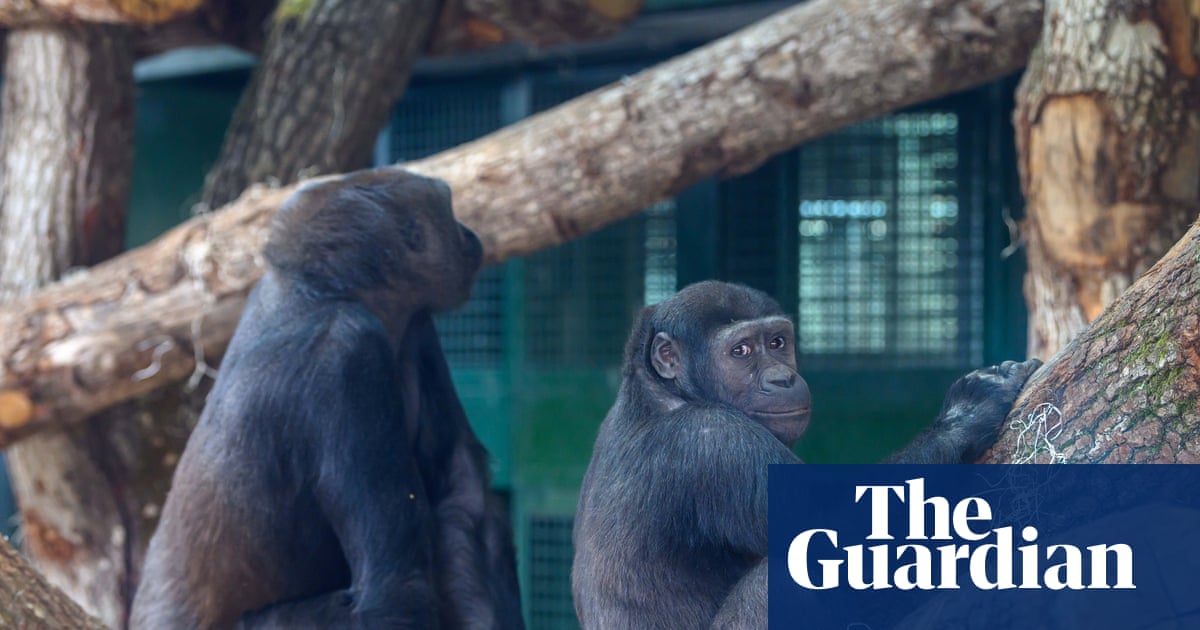
The recent relocation of seven western lowland gorillas from Bristol Zoo to a new, larger enclosure five miles away brings to the forefront the ethical dilemmas inherent in keeping wild animals in captivity. While zoo officials tout the move as an improvement in the gorillas' living conditions, critics argue that even the most well-intentioned enclosures can never fully replicate the complex social structures and natural habitats these animals require.
The gorillas' previous living situation, described as “almost deserted” and prompting concern after images surfaced online, underscores the potential for neglect and inadequate care within zoos, particularly as institutions face financial pressures and shifting public attitudes towards animal captivity. The stark contrast between the old and new enclosures highlights the vast difference in quality of life experienced by these animals.
The death of Jock, the 42-year-old silverback, just days after the move, raises serious questions about the stress and trauma associated with relocation, even when conducted with expert care. While the postmortem pointed to an aortic dissection, the timing of his death suggests a possible link to the upheaval of the move and the disruption of the troop’s social dynamics. This tragic event underscores the fragility of these animals and the potential for even seemingly minor changes to have devastating consequences.
The relocation also raises questions about the historical context of zoos and their role in perpetuating colonial attitudes towards wildlife. The story of Alfred, a gorilla who arrived in Bristol in 1930 and was paraded around on a lead, serves as a stark reminder of the exploitative practices that have characterized the zoo industry in the past. While zoos have evolved since then, concerns remain about the extent to which they prioritize animal welfare over entertainment and profit.
Advocates for animal rights argue that resources should be directed towards protecting gorillas in their natural habitats rather than maintaining captive populations. They point to the ongoing threats to gorilla populations in the wild, including habitat loss, poaching, and disease, and argue that conservation efforts should focus on addressing these root causes.
The introduction of cherry-crowned mangabeys and rescued African grey parrots to the gorillas' new environment presents both opportunities and challenges. While the addition of these animals may enrich the gorillas' environment, it also raises concerns about potential conflicts and the introduction of new diseases. The focus on rescuing parrots from illegal pet traders highlights the broader issue of wildlife trafficking and the need for stronger international regulations.