British Airways Parent Warns of Profit Dip as Fuel Costs Surge, Threatening Working-Class Travel
IAG's profit warning exposes how geopolitical conflicts disproportionately impact affordable air travel and exacerbate economic inequalities.
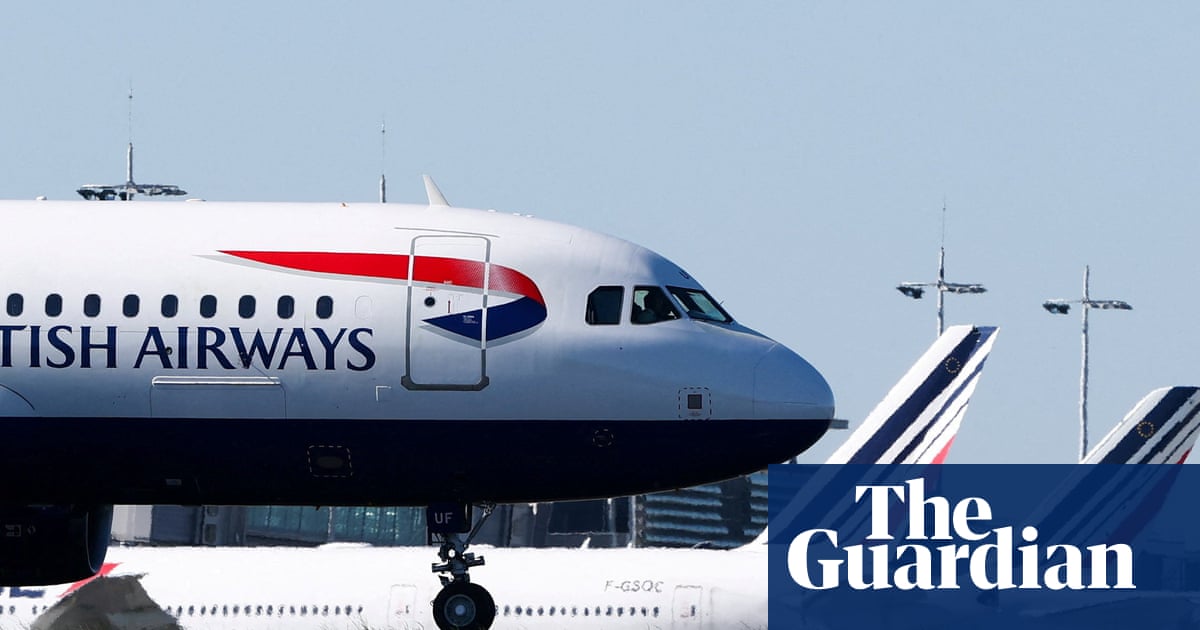
International Airlines Group (IAG), which owns British Airways, Aer Lingus, Iberia, and Vueling, has signaled a profit downturn as jet fuel expenses skyrocket, a direct consequence of the US-Israeli attack on Iran. This development threatens to make air travel even more inaccessible for working-class families and further entrenches existing inequalities.
IAG now anticipates fuel expenditures of €9 billion, a sharp increase from the previously projected €7.1 billion. While the company has hedged 70% of its fuel usage, the remaining 30% is vulnerable to price volatility triggered by the ongoing conflict. This price surge disproportionately affects low-income individuals and families who rely on affordable air travel for essential purposes like visiting relatives or seeking employment opportunities.
According to IAG Chief Executive Luis Gallego, the company aims to offset approximately 60% of the increased costs through revenue and cost management strategies. However, these strategies often translate to increased fares, reduced services, and potential job losses for airline workers, further burdening working-class communities.
The spike in global oil prices, reaching peaks of $126 a barrel due to the conflict, underscores the interconnectedness of geopolitical instability and economic hardship for ordinary people. Prior to the conflict, oil traded at $72 a barrel, highlighting a drastic increase that directly impacts the cost of living for many.
The airline industry is already responding to the crisis by cutting approximately 2 million seats from schedules, leading to 13,000 fewer flights this month. This reduction in capacity may disproportionately affect less popular routes, potentially isolating smaller communities and limiting travel options for those who cannot afford premium fares.
Concerns about jet fuel shortages, particularly in Europe, add another layer of uncertainty. Analysts at Goldman Sachs have pinpointed the UK as especially vulnerable due to its reliance on jet fuel imports and limited domestic refining capacity. The potential for fuel rationing raises serious questions about equitable access to essential services and resources.
While IAG reports “strong demand across most of our markets,” the company acknowledges “softer demand” in the eastern Mediterranean, indicating the economic impact of the conflict on tourism and related industries in the region. This highlights the need for targeted support and relief efforts for communities affected by geopolitical instability.