Broken Food System: UK Faces Crisis as Global Shocks Expose Inequality
Soaring food prices and supply chain fragility threaten the most vulnerable, demanding a radical restructuring of our food system.
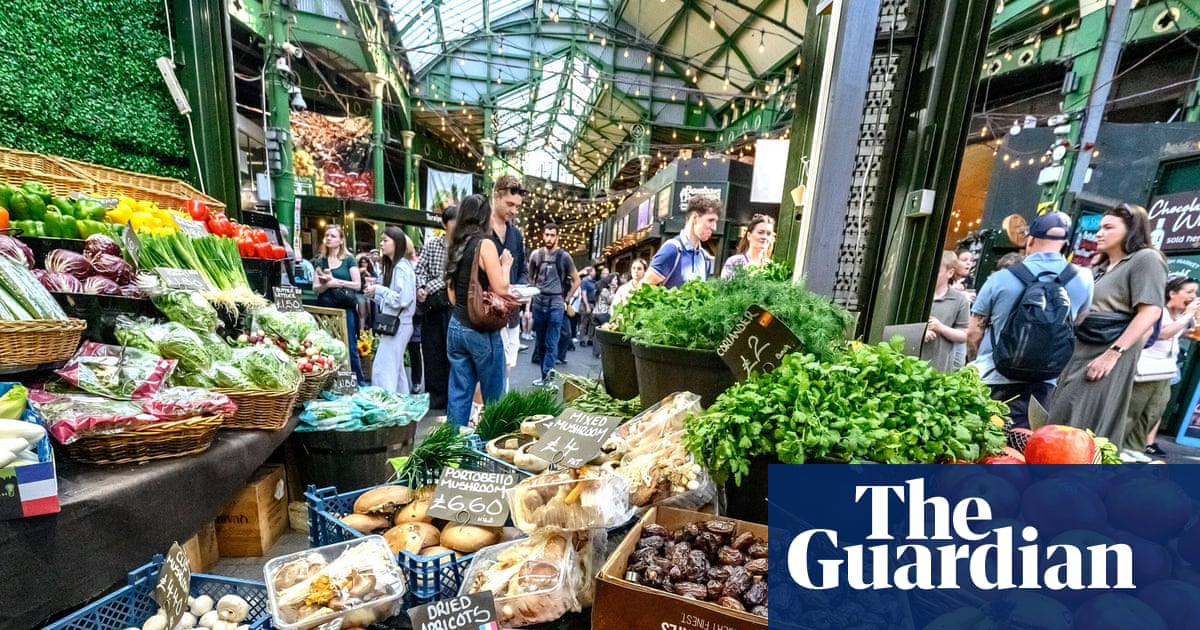
London - The UK's reliance on a globalized food system is failing its people, as escalating food prices and geopolitical instability lay bare deep-seated inequalities. The Treasury's plea for supermarkets to cap prices on essential foods has been met with outrage from corporate elites, but their caterwauling rings hollow against the backdrop of a looming crisis disproportionately impacting low-income communities.
Supermarket executives and right-wing think tanks decry price controls, but their opposition ignores the lived reality of families struggling to afford basic necessities. Food prices have already surged by nearly 40% since 2020, and projections indicate even steeper increases due to the war in Iran and the impending El Niño weather event. These shocks will exacerbate existing food insecurity, pushing more families into poverty and deepening the divide between the haves and have-nots.
The crisis exposes the fragility of a food system built on the exploitation of cheap labor and unsustainable agricultural practices. The UK's dependence on global supply chains, particularly those reliant on chokepoints like the Strait of Hormuz, leaves it vulnerable to geopolitical disruptions. The fact that one-third of the global fertilizer trade passes through this volatile region underscores the need for a more resilient and localized food system.
A 2017 study by Chatham House highlighted the precariousness of the global food system, identifying 14 critical junctures susceptible to disruption. The Panama Canal, another key transit point, is already facing restrictions due to drought, further straining global supply chains. These vulnerabilities demand a fundamental shift away from a system that prioritizes profit over people and planet.
The myth of open markets ensuring food security has been shattered. While globalization has, for some, brought increased access to diverse foods, it has simultaneously fueled environmental degradation, labor exploitation, and a concentration of power in the hands of a few corporations. The rising tide of global hunger since 2014, accelerated by the COVID-19 pandemic, is a stark indictment of this failed model.
The concentration of food production in a handful of countries further amplifies the risks. With 60% of global food originating from just five nations, the system is dangerously susceptible to simultaneous shocks, particularly in the face of the escalating climate crisis. The return of El Niño, with its potential to trigger extreme weather events across the globe, poses a significant threat to agricultural production and food security.