Brooklyn Shooting Exposes Systemic Failures, Claims Infant's Life
The tragic death of a 7-month-old in Brooklyn highlights the urgent need for comprehensive gun control and community investment to address systemic violence.
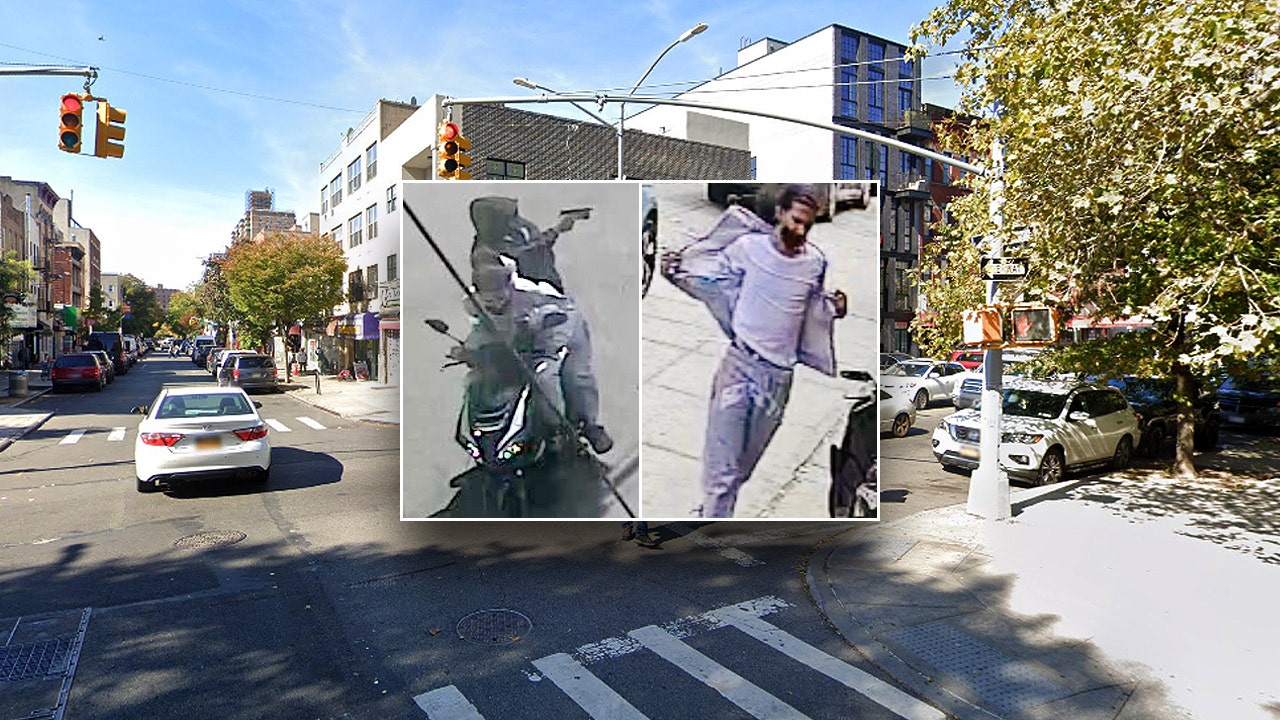
The senseless killing of 7-month-old Kaori Patterson-Moore in Brooklyn is a stark reminder of the devastating consequences of systemic failures to address gun violence and its root causes. The shooting, which occurred at approximately 1:20 p.m. near the intersection of Moore Street and Humboldt Street, resulted in Kaori being struck by a stray bullet fired by one of two individuals on a moped, according to the New York City Police Department (NYPD). She was pronounced dead at a local hospital.
This tragedy is not an isolated incident but rather a symptom of a society plagued by easy access to firearms, inadequate social safety nets, and a history of discriminatory policies that disproportionately impact marginalized communities. While one suspect is in custody and a manhunt is underway for the second, the focus must extend beyond individual perpetrators to the broader systemic issues that contribute to such violence.
The shooting, believed to be gang-related, underscores the need for comprehensive community-based violence prevention programs that address the underlying factors that drive individuals to engage in criminal activity. These programs must include access to mental health services, job training, educational opportunities, and affordable housing. Furthermore, the incident highlights the urgent need for stricter gun control measures at the federal and state levels. Common-sense reforms, such as universal background checks, bans on assault weapons, and red flag laws, are essential to reducing gun violence and protecting innocent lives.
Mayor Zohran Mamdani's statement that "a life that had barely begun was taken in an instant" is a poignant reminder of the human cost of inaction. Police Commissioner Jessica Tisch's acknowledgement of the "unspeakable" tragedy underscores the profound grief and trauma experienced by the family and the community. However, words alone are not enough. Concrete action is needed to address the root causes of gun violence and create a safer, more equitable society for all.
The disproportionate impact of gun violence on communities of color cannot be ignored. Decades of systemic racism, economic inequality, and mass incarceration have created environments where violence is more likely to occur. Addressing these disparities requires a multi-faceted approach that includes investing in historically under-resourced communities, reforming the criminal justice system, and dismantling discriminatory policies.
Furthermore, the role of trauma in perpetuating violence must be acknowledged and addressed. Many individuals who engage in violence have themselves experienced trauma, often from a young age. Providing access to trauma-informed care and mental health services is crucial to breaking the cycle of violence and promoting healing.
The investigation into Kaori's death must be thorough and transparent, but it must also serve as a catalyst for broader societal change. The time for incremental measures is over. Bold, transformative action is needed to address the systemic failures that allowed this tragedy to occur. This includes re-evaluating budget allocations and prioritizing programs that address the root causes of crime, rather than simply reacting to its symptoms. The focus needs to shift from punishment to prevention, from incarceration to rehabilitation, and from division to community.
Kaori Patterson-Moore's life was tragically cut short, but her memory must serve as a call to action. Let us honor her life by working tirelessly to create a society where all children have the opportunity to grow up in safety and peace. This requires a fundamental shift in priorities and a commitment to building a more just and equitable world for all.