Building Collapse in Philippines Highlights Construction Safety Crisis
A structural failure near Manila traps construction workers, exposing systemic issues of lax oversight and worker exploitation.
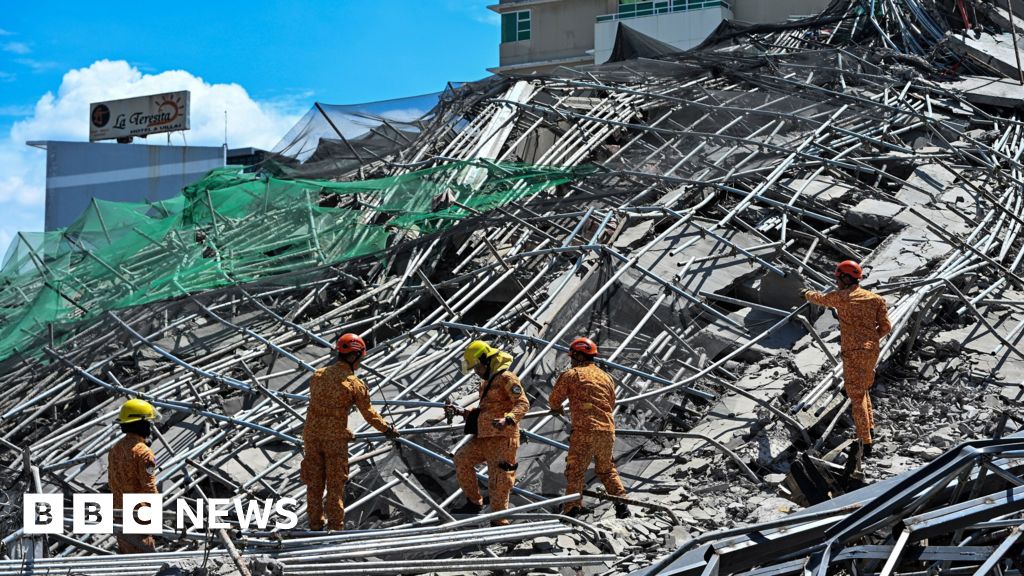
ANGELES, Philippines – The collapse of a nine-story building under construction in Angeles City is a stark reminder of the precarious conditions faced by construction workers in the Philippines. The incident, which occurred early Sunday morning, has left an estimated 20 people trapped under rubble and ignited concerns about the prioritization of profit over worker safety.
The building, located approximately 90 kilometers northwest of Manila on Luzon Island, collapsed around 3:00 local time. While 24 people have been rescued from the building itself and two from a nearby hotel struck by debris, the fate of those still trapped remains uncertain. The majority of those trapped are believed to be construction workers.
This incident is not an isolated one. As Reuters reports, construction practices in the Philippines are frequently plagued by poor planning, inadequate project management, and design flaws. The pressure to complete projects quickly and cheaply often leads to compromised safety standards, leaving workers vulnerable to accidents and injuries.
Furthermore, the collapse follows a recent tragedy in Cebu, where a landfill collapse claimed the lives of 11 waste workers. These events underscore a broader pattern of disregard for the safety and well-being of laborers, particularly those in low-wage and hazardous occupations.
The eyewitness account of a loud rumbling before the collapse, followed by debris covering the streets, paints a vivid picture of the sudden and catastrophic nature of the event. The challenges faced by rescue workers, as described by city information officer Jay Pelayo, are immense. "There are big chunks of concrete, and we need equipment to lift them up," he stated, highlighting the physical and logistical obstacles hindering the rescue efforts.
Beyond the immediate rescue operation, there is a pressing need for systemic reform. This includes stricter enforcement of safety regulations, increased oversight of construction projects, and greater accountability for developers and contractors who prioritize profits over worker safety.
It is imperative that the government invest in training and education programs to equip workers with the knowledge and skills necessary to identify and mitigate risks on construction sites. Furthermore, workers must be empowered to speak out against unsafe practices without fear of reprisal.
The building collapse in Angeles City is a tragedy that demands immediate action. By addressing the systemic issues that contribute to unsafe working conditions, the Philippines can prevent future disasters and ensure the safety and well-being of its construction workers.
The incident serves as a potent symbol of the human cost of unchecked development and deregulation. The lives of these workers matter, and their safety should never be compromised for the sake of expediency or profit. The government must ensure that labor standards are observed and enforced on every jobsite, so that these working-class Filipinos can support their families and contribute to the economy without risking their lives every day.
The cries of the trapped should ring in the ears of policymakers until they take meaningful action. Anything less is a betrayal of the people. Construction workers build the skylines of progress, yet they are too often abandoned and forgotten by the system. The collapse in Angeles should mark a change, and let their cries for help become a catalyst for much-needed reforms.