Burberry's 'Cotswolds' Handbag: A Luxury Brand Thrives While Inequality Deepens
As Burberry profits from American fascination with English privilege, questions arise about accessibility and economic disparity.
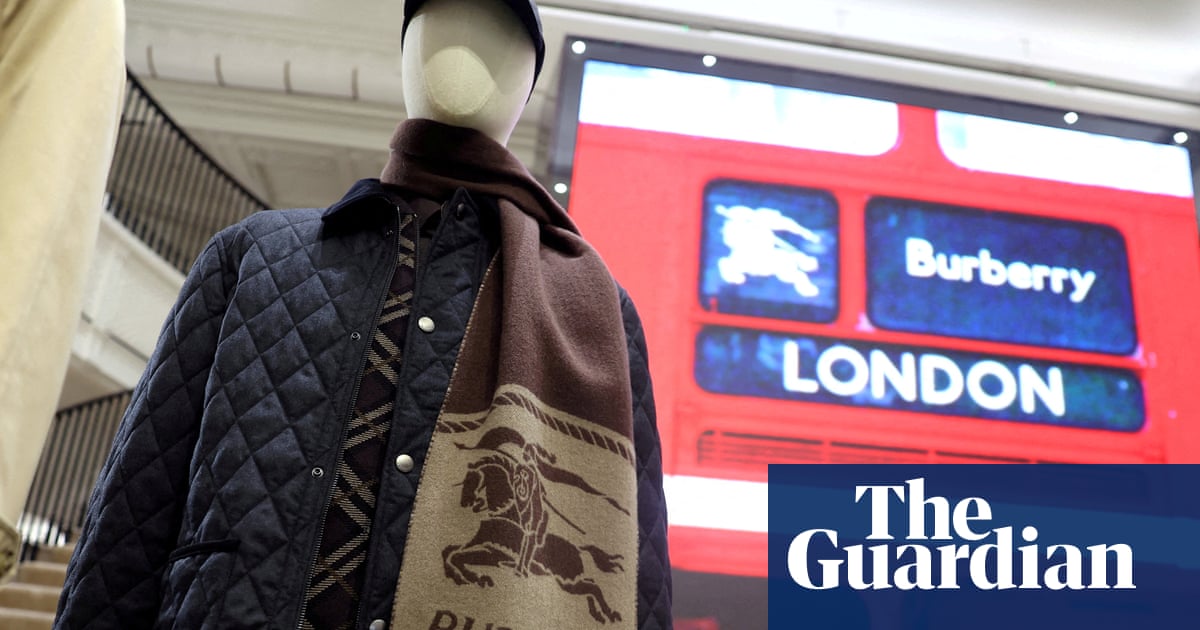
London - Burberry's return to profitability, fueled in part by the £2,000 Cotswolds handbag and its popularity among wealthy Americans, highlights a stark reality: while luxury brands flourish, economic inequality continues to widen. The iconic British fashion house announced pre-tax profits of £49 million after a previous loss, attributing success to cost-cutting and increased sales in the US and China.
While Burberry celebrates its financial turnaround, it's crucial to consider the broader social context. The brand's success hinges on catering to an elite clientele, particularly those drawn to the romanticized image of the English countryside, exemplified by the Cotswolds region.
The appeal of the Cotswolds handbag to wealthy Americans underscores a troubling trend: the fetishization of exclusivity and privilege. While working-class families struggle with rising costs and stagnant wages, luxury brands like Burberry capitalize on the desire for status and distinction.
Joshua Schulman, Burberry's CEO, emphasizes the handbag's 'sweet spot' in terms of price and value within the luxury market. However, this 'sweet spot' remains inaccessible to the vast majority of the population, highlighting the widening gap between the haves and have-nots.
Burberry's cost-cutting measures, which contributed to the company's profitability, raise questions about the impact on workers and communities. While the company celebrates reduced expenses, these cuts may translate to job losses or reduced wages for those further down the economic ladder.
The brand's strategic shift away from ultra-expensive, logo-less bags towards more accessible (yet still exorbitant) items reflects a desire to capture a broader segment of the wealthy market. This strategy, while financially sound, does little to address the underlying issues of economic inequality and social mobility.
The increasing popularity of the Cotswolds region among wealthy Americans, drawing comparisons to the Hamptons, reveals a deeper cultural trend: the creation of exclusive enclaves where the wealthy can isolate themselves from the realities of poverty and inequality.
While Burberry's success in the US and China is undoubtedly a business achievement, it's important to consider the ethical implications of catering to a global elite while many struggle to make ends meet. The brand's marketing and branding strategies often reinforce existing social hierarchies and perpetuate the myth of meritocracy.