California Celebrates Farmworkers Day, Acknowledging Collective Power Amidst Chavez's Complicated Legacy
The holiday marks a crucial step towards recognizing the often-unsung contributions of farmworkers and movements in the fight for social justice.
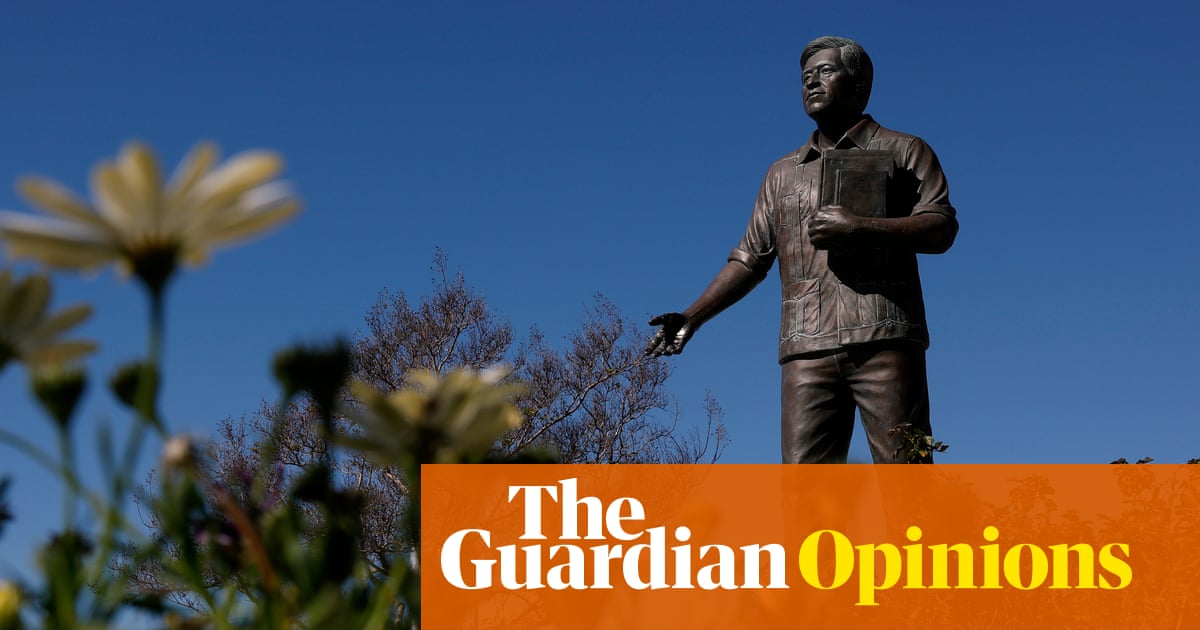
This Tuesday, California will celebrate its first Farmworkers Day, a significant move by the state legislature to honor the collective struggle of farmworkers, particularly in light of disturbing revelations about Cesar Chavez's history of sexual abuse. The holiday serves as a powerful reminder that lasting change comes not from singular heroes, but from the sustained efforts of communities fighting for justice.
Amidst a national reckoning with historical figures and monuments, this decision signals a broader recognition of the limitations of celebrating individuals while often ignoring the systemic issues they operated within. While statues of Confederate figures like Robert E. Lee are being replaced with those honoring Harriet Tubman, conservatives continue to push back against this progress, as evidenced by the Trump administration's symbolic installation of a Christopher Columbus statue.
Rebecca Solnit astutely points out that true progress stems from collective action, not individual heroism. The nomination of Minneapolis for the Nobel Peace Prize highlights the power of community solidarity in resisting oppressive forces like ICE and defending marginalized neighbors. This nomination, championed by The Nation magazine, recognizes the courage and resilience of ordinary people challenging a culture of fear and brutality.
Minneapolis has already been recognized with the John F. Kennedy Profile in Courage Award for its residents' unwavering commitment to protecting immigrant communities, demonstrating that everyday acts of solidarity can create meaningful change. This award underscores the importance of community-led initiatives in safeguarding vulnerable populations.
The revelations about Cesar Chavez underscore the dangers of uncritically celebrating individuals without acknowledging their flaws. By focusing solely on individual leaders, we risk overlooking the contributions of countless others who played vital roles in the movement. Farmworkers Day offers an opportunity to reframe the narrative, celebrating the collective power of those who labored tirelessly for fair wages and humane working conditions.
Solnit’s perspective on leadership is particularly relevant. She argues that effective leaders act as catalysts, inspiring and empowering others to participate in the struggle for justice. This contrasts sharply with the traditional model of leadership, where followers are expected to blindly obey directives. Cult-like devotion to individuals can lead to dangerous outcomes, while democratic movements require active participation and shared decision-making.