California Chemical Leak Exposes Dangers of Industry Negligence; Thousands Displaced
A near-catastrophic chemical tank failure in Garden Grove highlights the need for stronger regulations and corporate accountability to protect vulnerable communities.
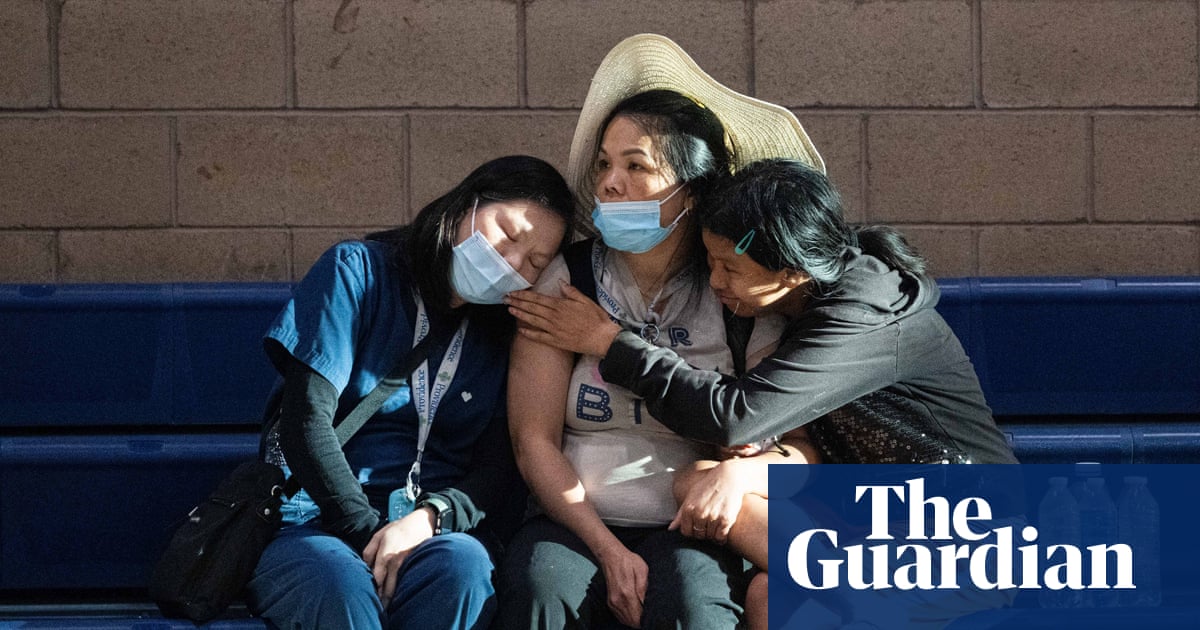
GARDEN GROVE, Calif. — The near-disaster at the GKN Aerospace Transparency Systems plant in Garden Grove, California, serves as a stark reminder of the risks posed by inadequate oversight and corporate negligence in handling hazardous materials. The incident, which forced the evacuation of 50,000 residents and continues to displace 16,000, underscores the urgent need for stricter environmental regulations and greater accountability for companies that prioritize profit over community safety.
For days, families were uprooted, their lives disrupted by a potential catastrophe stemming from a preventable mechanical failure. The tank contained between 6,000 and 7,000 gallons of methyl methacrylate, a chemical known to cause severe respiratory and neurological problems, as well as skin, eye, and throat irritation, according to the EPA. This incident underscores the environmental injustice often faced by communities living near industrial facilities.
The fact that a simple valve malfunction in the cooling system could lead to such widespread disruption and potential health risks is deeply concerning. It raises serious questions about the adequacy of safety protocols, maintenance schedules, and regulatory oversight at GKN Aerospace and similar facilities. Were corners cut? Were warnings ignored? These are questions that must be answered to prevent future incidents.
Moreover, this incident highlights the disproportionate impact of environmental hazards on marginalized communities. Garden Grove, a diverse city with a significant population of working-class families, is now grappling with the uncertainty and anxiety of potential long-term health consequences. These communities often lack the resources to effectively advocate for their own safety and well-being, making them particularly vulnerable to the consequences of corporate negligence.
The simultaneous chemical tank implosion in Washington state, which resulted in injuries and possible fatalities, further underscores the systemic nature of this problem. It is not simply a matter of isolated incidents but rather a pattern of inadequate regulation and enforcement that puts communities at risk across the country. The question is what are we as a society willing to do to protect our most vulnerable populations?
Local officials and environmental agencies must conduct a thorough investigation into the root causes of the incident at GKN Aerospace. This investigation must include a comprehensive review of the company’s safety practices, regulatory compliance, and emergency response plans. The South Coast Air Quality Management District and the EPA must be vigilant in monitoring air and water quality in the affected area to ensure that residents are not exposed to harmful levels of methyl methacrylate.