California Governor Declares Emergency as Chemical Threat Exposes Environmental Justice Concerns in Orange County
Evacuation of 40,000 residents highlights the disproportionate impact of industrial hazards on vulnerable communities.
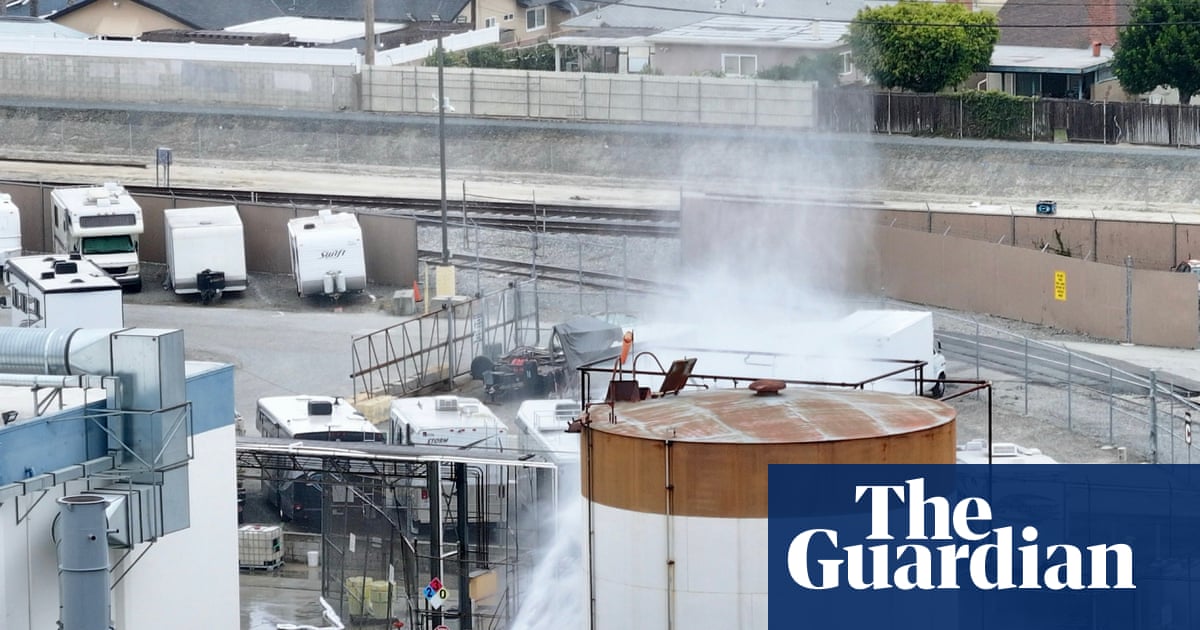
SACRAMENTO, Calif. — Governor Gavin Newsom’s declaration of a state of emergency in Orange County following the threat of a chemical disaster at a GKN Aerospace facility underscores the urgent need for stricter environmental regulations and corporate accountability, particularly in communities already burdened by environmental hazards.
The emergency proclamation directs state agencies to provide support to Orange County, where 40,000 residents have been evacuated due to the risk of explosion or leakage from a storage tank containing methyl methacrylate. This incident raises critical questions about the siting of industrial facilities and the potential for environmental injustice.
“The safety of Orange County residents is the top priority,” Newsom stated, yet this situation demands a deeper examination of why such facilities are located in proximity to residential areas, potentially exposing vulnerable populations to unacceptable risks. This event highlights the ongoing struggle to balance economic development with environmental protection and social equity.
According to local authorities, the GKN Aerospace facility in Garden Grove experienced an off-gassing incident involving a storage tank containing 6,000-7,000 gallons of methyl methacrylate, a highly flammable chemical used to produce resins and plastics. The incident has sparked fears of a potential explosion or chemical leak, forcing the mass evacuation.
While firefighters have attempted to cool the tank with water, the efforts have been largely unsuccessful. An emergency response team's attempt to neutralize the chemical in a nearby tank was complicated by a rapidly increasing temperature, according to Orange County Fire Authority Division Chief Craig Covey. This incident also underscores the dangers faced by first responders in dealing with industrial accidents.
This emergency serves as a stark reminder of past environmental disasters, such as the Flint water crisis, and the disproportionate impact these events have on marginalized communities. A 2023 study by the Environmental Protection Agency found that communities of color are significantly more likely to live near hazardous waste sites and industrial facilities, increasing their risk of exposure to harmful pollutants.
Furthermore, the incident raises concerns about corporate accountability. GKN Aerospace must be held responsible for ensuring the safety of its operations and for mitigating any potential harm to the surrounding community. This includes investing in safer technologies, implementing robust emergency response plans, and engaging in meaningful consultation with local residents.