California Heartland Battle Exposes Democrats' Identity Crisis as Corporate-Backed Candidate Faces Grassroots Challenger
In California's 22nd, a struggle between a doctor backed by power brokers and a community organizer highlights the Democrats' internal conflict over serving working-class communities.
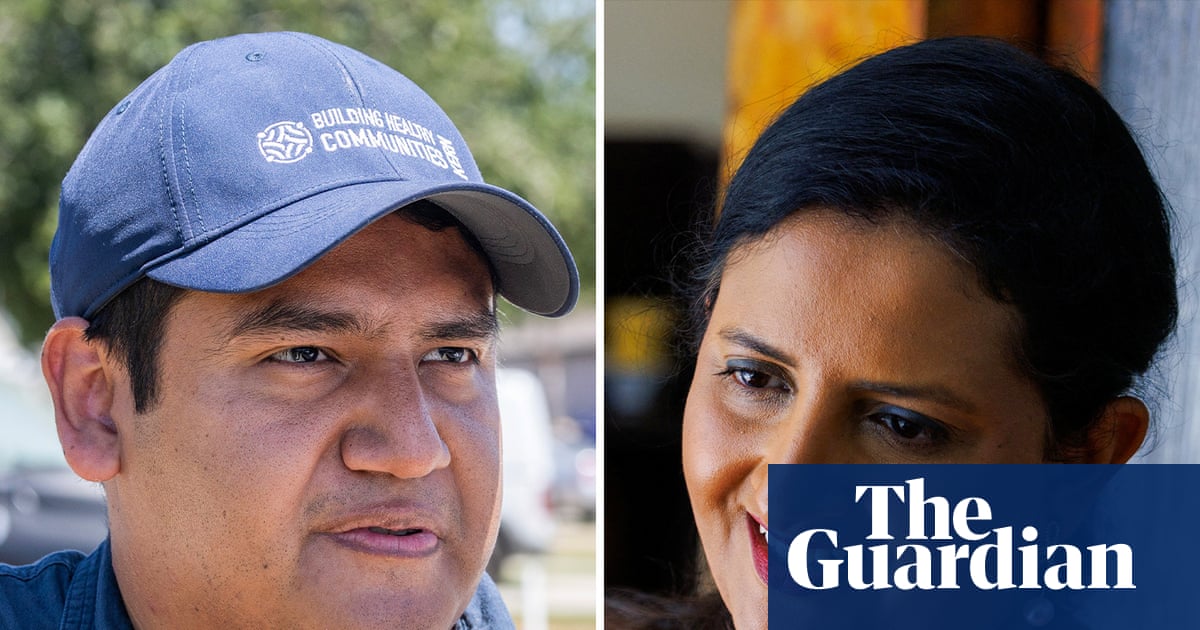
Bakersfield, CA - The fight for California's 22nd congressional district is laying bare a painful truth about the Democratic Party: its struggle to reconcile the interests of corporate backers with the needs of working-class communities. Dr. Jasmeet Bains, a physician and state legislator, entered the race with the support of powerful Democratic figures, presenting herself as the antidote to Republican David Valadao's harmful policies. Randy Villegas, a community college professor and second-generation Mexican immigrant, argues that Bains is part of the problem, representing an establishment that has failed to address the systemic issues plaguing the Central Valley.
Bains's candidacy is predicated on her experience as a doctor in one of the poorest districts in the US. She highlights the devastating impact of healthcare cuts enacted under the Trump administration, pointing to Valadao's vote in favor of the One Big Beautiful Bill Act. However, critics argue that Bains's connections to corporate healthcare interests undermine her ability to truly advocate for universal healthcare and policies that prioritize patient well-being over profit. Her endorsement by the Service Employees International Union, while significant, also raises questions about the influence of organized labor in shaping the Democratic Party's agenda.
Villegas, on the other hand, embodies a grassroots movement focused on empowering marginalized communities. His doctoral thesis on low voter turnout among young Latinos underscores his commitment to addressing the systemic barriers that prevent working-class people from participating in the political process. He argues that Bains's candidacy reinforces the status quo, failing to address the root causes of poverty, inequality, and lack of access to resources in the Central Valley.
The redrawing of California's congressional district boundaries, while intended to favor Democrats, has inadvertently amplified the party's internal divisions. The gerrymandering in states like Texas forced California to redraw the map, creating an opportunity for Democrats to gain additional House seats. However, the primary battle in the 22nd district reveals that simply increasing Democratic representation is not enough. The party must also grapple with the question of who it represents and whose interests it prioritizes.
The struggle between Bains and Villegas reflects a broader debate within the Democratic Party about the role of money and corporate influence in politics. While Bains has the backing of powerful Democratic figures and organized labor, Villegas relies on grassroots fundraising and community support. This disparity in resources underscores the challenges faced by progressive candidates who seek to challenge the establishment and advocate for policies that benefit working-class communities.