California Prioritizes Public Safety, Challenges Trump's Deregulatory AI Agenda
Newsom's executive order champions ethical AI, safeguarding marginalized communities from discrimination and exploitation.
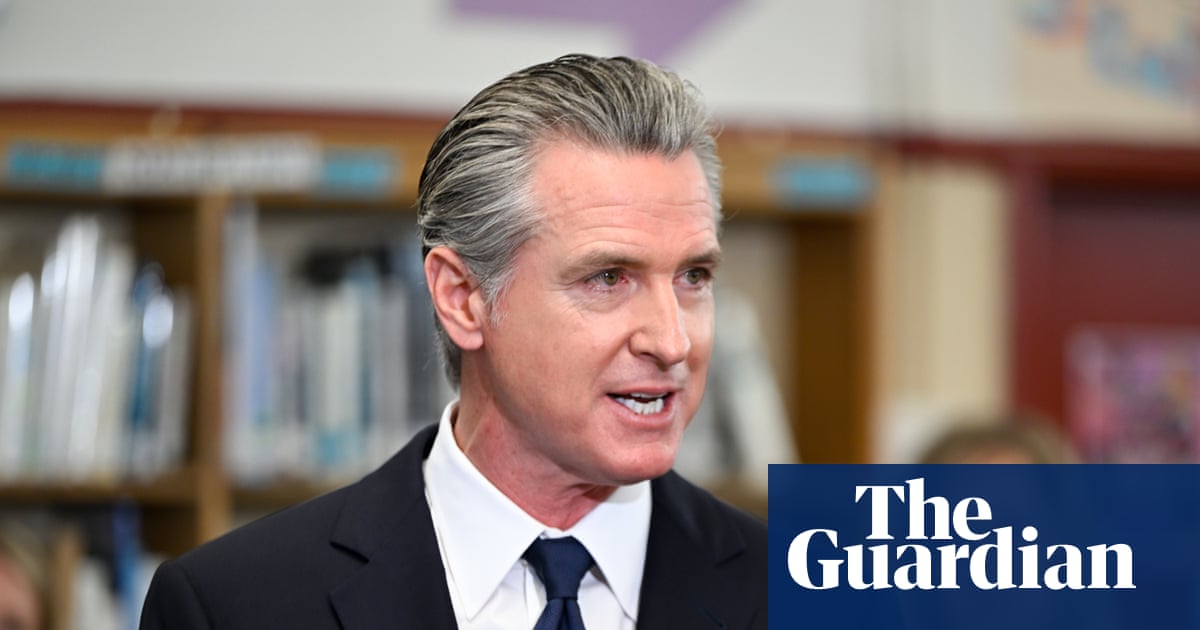
SACRAMENTO, CA - In a bold move to protect its citizens, California is challenging the Trump administration's laissez-faire approach to artificial intelligence with the announcement of new regulations. Governor Gavin Newsom signed an executive order mandating AI companies seeking contracts with the state to adhere to strict ethical guidelines, prioritizing public safety and mitigating potential harms to vulnerable populations.
The executive order, issued on March 30, 2026, comes as a direct response to the growing concerns surrounding AI's potential for misuse. It aims to address critical issues such as the proliferation of child sexual abuse material and violent pornography, the perpetuation of harmful biases, and the risk of unlawful discrimination, detention, and surveillance. These regulations reflect a commitment to ensuring that AI serves the public good, rather than exacerbating existing inequalities.
The order directs state agencies to develop policies requiring AI companies to demonstrate concrete steps to prevent their technologies from being used to exploit children or spread harmful content. Furthermore, companies must outline how they will identify and mitigate biases within their AI models, preventing discriminatory outcomes that could disproportionately impact marginalized communities. The emphasis on preventing unlawful detention and surveillance underscores the state's commitment to protecting civil liberties in the age of AI.
Governor Newsom emphasized California's dedication to responsible innovation. “California leads in AI, and we’re going to use every tool we have to ensure companies protect people’s rights, not exploit them or put them in harm’s way,” he stated. This commitment stands in stark contrast to the Trump administration's stance, which prioritizes unchecked innovation over ethical considerations.
The Trump administration's national AI policy framework actively discourages state-level regulations, arguing that they stifle innovation. However, critics argue that this approach ignores the potential for AI to amplify existing social injustices. The administration's creation of an “AI Litigation Task Force” within the Justice Department further signals its intent to aggressively challenge state regulations that deviate from its deregulatory agenda.
California's decision to regulate AI reflects a growing recognition of the need for proactive measures to address the potential harms of this technology. Numerous states have already enacted laws to protect children from harmful chatbot interactions and prevent AI companies from infringing on copyrighted material. These efforts demonstrate a collective desire to ensure that AI is developed and deployed in a responsible and ethical manner.