California Wildfire Highlights Need for Increased Investment in Fire Prevention and Climate Resilience
As the Springs fire scorches 4,100 acres, advocates call for a renewed focus on addressing the root causes of escalating wildfires and protecting vulnerable communities.
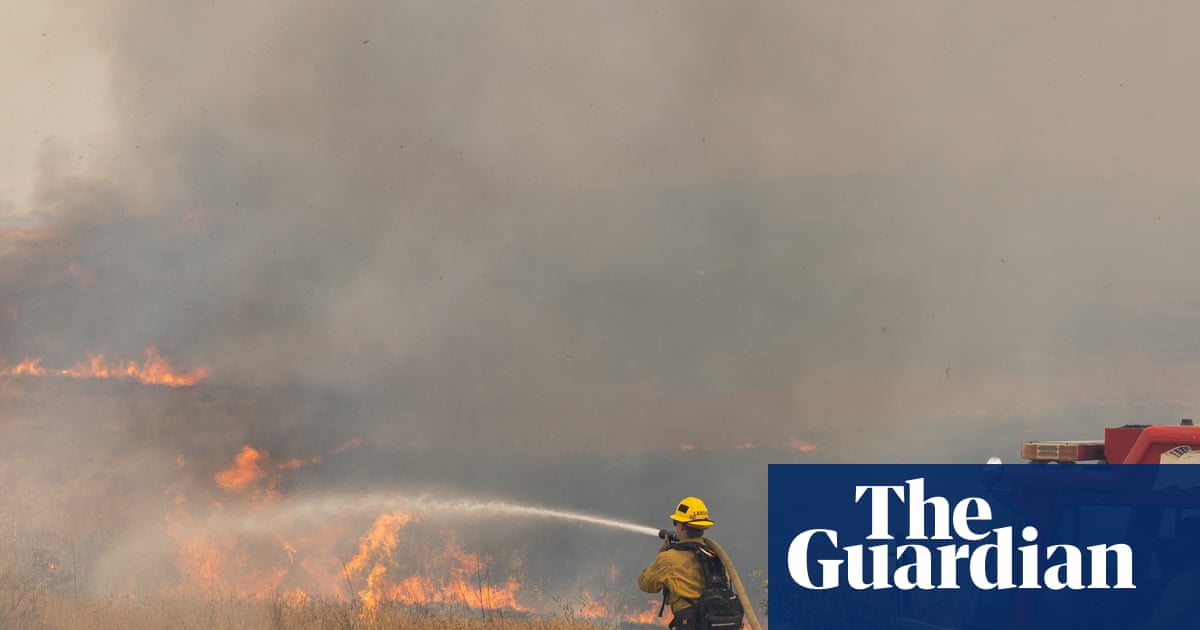
MORENO VALLEY, Calif. — The Springs fire, which consumed over 4,100 acres in Riverside County, serves as a stark reminder of the escalating threat posed by wildfires in a changing climate. While firefighters have made progress in containing the blaze, reaching 45% containment by Saturday, the incident underscores the urgent need for comprehensive strategies that prioritize fire prevention, community resilience, and environmental justice.
The fire, fueled by high winds and dry conditions, forced evacuation warnings for Moreno Valley, a city with a significant population of working-class families and communities of color. These communities are disproportionately vulnerable to the impacts of wildfires, often lacking the resources to evacuate safely or recover from property damage and displacement. The fact that less than a dozen zones were under warnings by Saturday morning does little to alleviate the underlying anxieties and vulnerabilities these communities face.
The National Weather Service's wind advisory, coupled with Cal Fire's data on the rising number of wildfires in 2026, paints a concerning picture of the challenges ahead. Above-normal temperatures, low precipitation, and increased Santa Ana wind activity are all factors exacerbated by climate change, creating a tinderbox effect across the state.
Terra Fernandez's comments about the reduced wind speeds offering assistance to firefighting efforts highlight the precariousness of the situation. While favorable weather conditions are welcome, they are not a substitute for proactive measures that address the underlying drivers of wildfire risk. We must recognize the role that climate change plays in exacerbating these events.
Furthermore, the reliance on "natural equestrian trails" for firefighter access points to the need to strengthen infrastructure resilience in areas prone to wildfires. Investment in evacuation routes, defensible space around homes, and community-based fire prevention programs are essential to protecting lives and property.
Past administrations have often prioritized short-term economic gains over long-term environmental sustainability, leading to inadequate investment in fire prevention and climate resilience. It is imperative that state and local governments prioritize funding for these critical areas.
In the wake of the Springs fire, calls are growing for a shift in focus from reactive firefighting to proactive fire management. This includes implementing stricter building codes in fire-prone areas, expanding community education programs, and restoring degraded ecosystems to reduce fuel loads.