California Wildfires Expose Vulnerabilities of Communities Amid Climate Crisis
Fueled by extreme heat and winds, Southern California wildfires force evacuations, highlighting the need for equitable disaster preparedness and climate action.
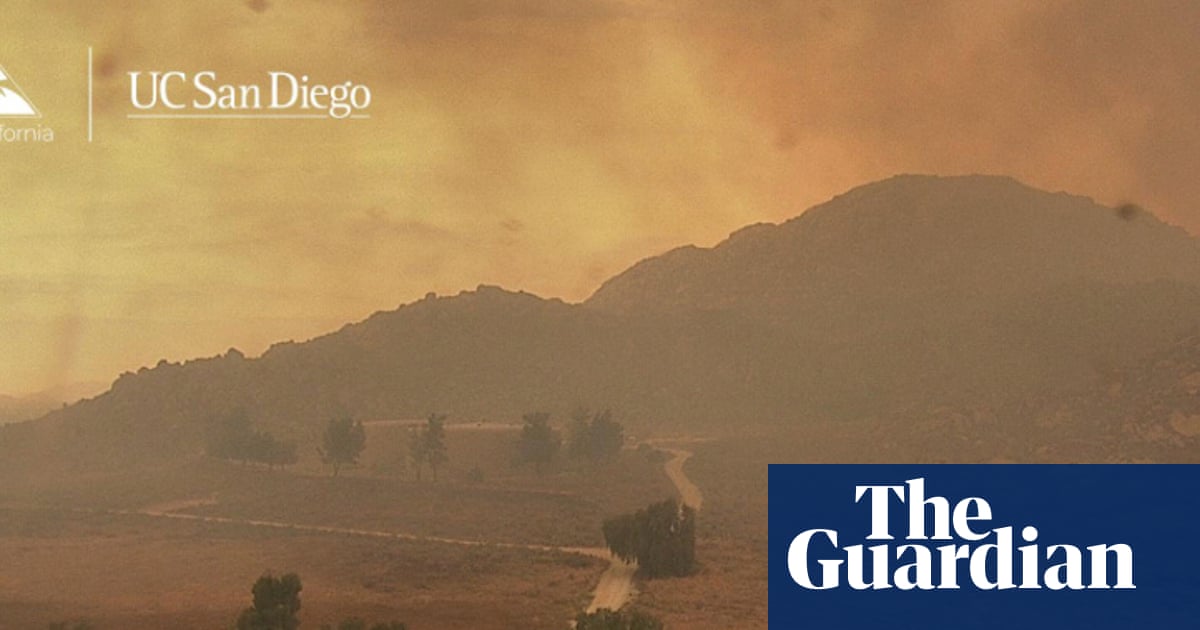
Southern California is once again grappling with the devastating consequences of wildfires, as two blazes erupted on Friday, forcing evacuations and threatening communities already facing the impacts of a climate crisis. The Springs fire in Riverside County and the Crown fire in Los Angeles County serve as stark reminders of the increasing vulnerability of marginalized populations and the urgent need for comprehensive climate resilience strategies.
The rapid spread of the Springs fire, which has consumed 3,500 acres, underscores the severity of the current conditions. The National Weather Service issued a wind advisory, warning of gusts up to 50 mph, exacerbating the fire's growth. Alex Izaguirre, a spokesperson for Cal Fire Riverside County, noted that the wind is “spreading the smoke,” prompting calls from concerned residents, highlighting the immediate health risks associated with wildfire smoke inhalation, which disproportionately affects low-income communities and those with pre-existing respiratory conditions.
As the Springs fire edges into Moreno Valley, a city of roughly 200,000 residents, the potential for widespread displacement and economic disruption is significant. Evacuation orders exacerbate existing inequalities, as those with limited resources, lack of transportation, and insecure housing are particularly vulnerable. Emergency response efforts must prioritize the needs of these communities, ensuring access to safe shelter, food, and medical care.
The Crown fire, though smaller at 260 acres, also poses a significant threat to the unincorporated community of Acton, where evacuation orders have been issued. These smaller, often overlooked communities, frequently lack the resources and infrastructure necessary to adequately prepare for and respond to wildfires, further compounding their vulnerability.
The causes of these fires remain under investigation, but the broader context of climate change and decades of environmental injustice cannot be ignored. Rising temperatures, prolonged drought, and overgrown vegetation create the perfect conditions for wildfires to ignite and spread rapidly. These factors are not natural disasters; they are the product of systemic failures to address climate change and prioritize environmental protection.
Background context: The history of wildfires in California is deeply intertwined with issues of land management, environmental policy, and social inequality. Indigenous communities have long practiced controlled burns as a tool for forest management, but these practices have been suppressed by colonial policies. Furthermore, historical development patterns have placed communities in harm's way, often without adequate fire safety measures.


