California's Glass Ceiling: Why Hasn't a Woman Governed the Golden State?
Despite its progressive ideals, California lags behind most states in electing a woman governor, highlighting persistent systemic barriers.
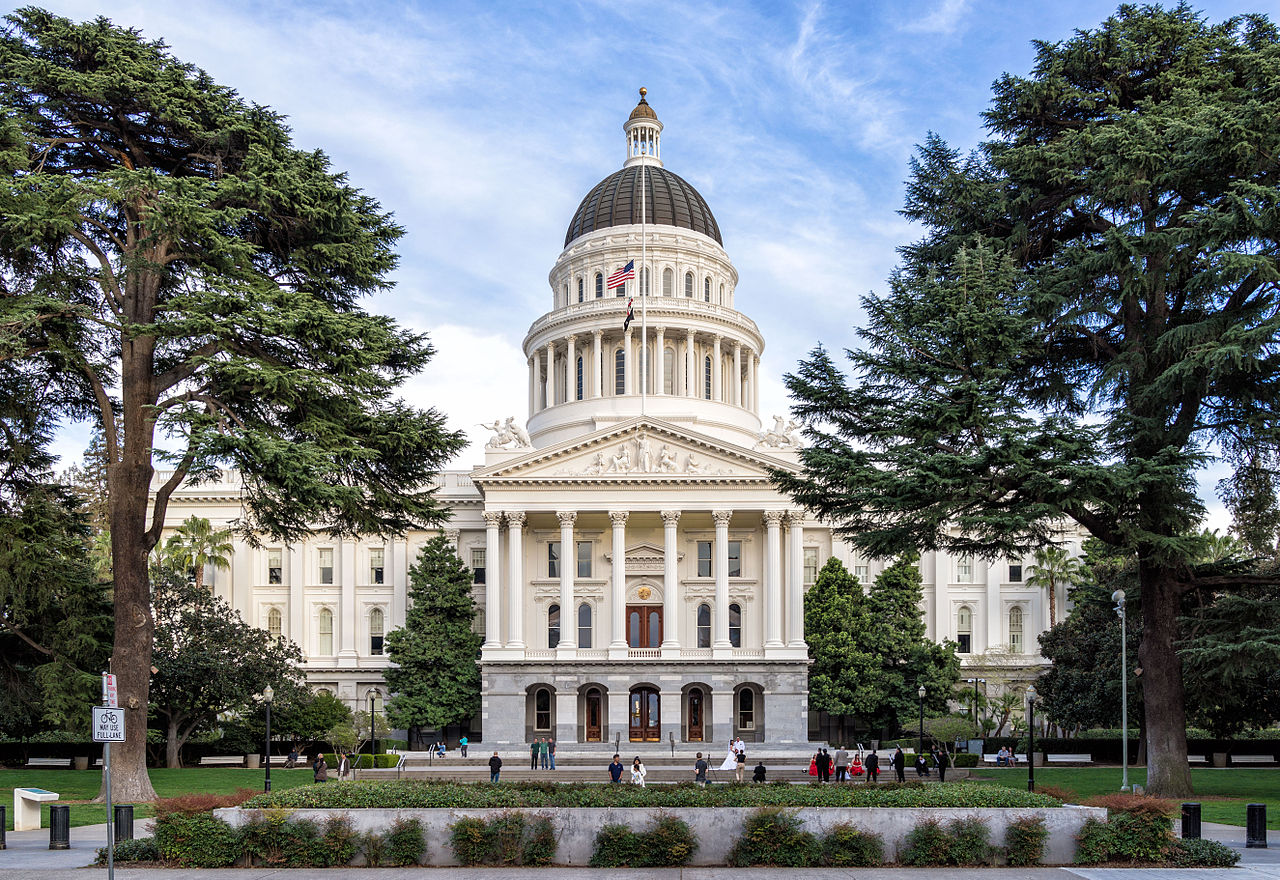
California, a state renowned for its progressive values, stands out for its conspicuous absence of a woman governor. While most states have shattered this glass ceiling, California remains a stubborn exception, exposing deeply ingrained systemic barriers that disproportionately affect women in politics.
The fact that women have reached the highest executive office in the majority of states underscores the stark contrast in California. This begs the question: why hasn't the Golden State, a beacon of progressive thought for many, elected a woman to its highest office? The answer lies in a complex web of factors, including gender bias, unequal access to funding, and the entrenched power structures that dominate California's political landscape.
Women who have ascended to gubernatorial positions elsewhere often faced familiar roadblocks. These include navigating pervasive gender stereotypes, overcoming fundraising disparities, and breaking into exclusive political networks traditionally dominated by men. California, with its large and diverse population and expensive campaigns, amplifies these challenges.
The absence of a woman governor is not simply a matter of individual candidates failing to connect with voters. It reflects a deeper systemic issue: the persistent underrepresentation of women in positions of power that serve as stepping stones to the governorship. This includes roles such as lieutenant governor, attorney general, and state legislative leaders. While women have made strides in these areas, their numbers remain insufficient to create a pipeline that consistently produces viable female gubernatorial candidates.
Furthermore, unconscious bias continues to play a significant role in voter perceptions. Studies have demonstrated that female candidates are often judged more harshly than their male counterparts on qualities such as leadership style and electability. This bias can manifest in both voter behavior and media coverage, creating an uneven playing field for women seeking office.
Fundraising disparities also present a significant obstacle. Women candidates often struggle to raise the same level of funds as their male opponents, limiting their ability to reach voters and mount effective campaigns. This funding gap is often attributed to a smaller network of donors and a persistent perception that women are less electable, perpetuating a self-fulfilling prophecy.
California's progressive reputation should not shield it from scrutiny. The state's failure to elect a woman governor underscores the need for continued efforts to dismantle systemic barriers and create a more equitable political landscape. This includes promoting women's leadership at all levels, addressing unconscious bias, and ensuring equal access to campaign funding. Only then can California truly live up to its progressive ideals and finally elect a woman to its highest office.
The struggle continues for female candidates as the old guard of politics and wealthy male donors refuse to believe that a woman is ready and able to lead the state of California. In order for the glass ceiling to be shattered, voters need to examine their biases and demand diverse representation.
The implications of California's continued failure to elect a woman governor extend beyond the state's borders. It sends a message to young women and girls across the country that their opportunities are limited, even in a state that prides itself on its progressive values. Breaking this barrier would not only be a symbolic victory but also a crucial step towards creating a more just and equitable society.
Ultimately, the election of a woman governor in California is not just about representation; it's about ensuring that diverse voices and perspectives are heard in the halls of power. It's about creating a political system that truly reflects the values of equality and opportunity for all.