California's Primary: A Battle for Progress Amidst National Turmoil
As California voters head to the polls, the fight for progressive policies faces challenges from economic anxieties and Trump-era uncertainty.
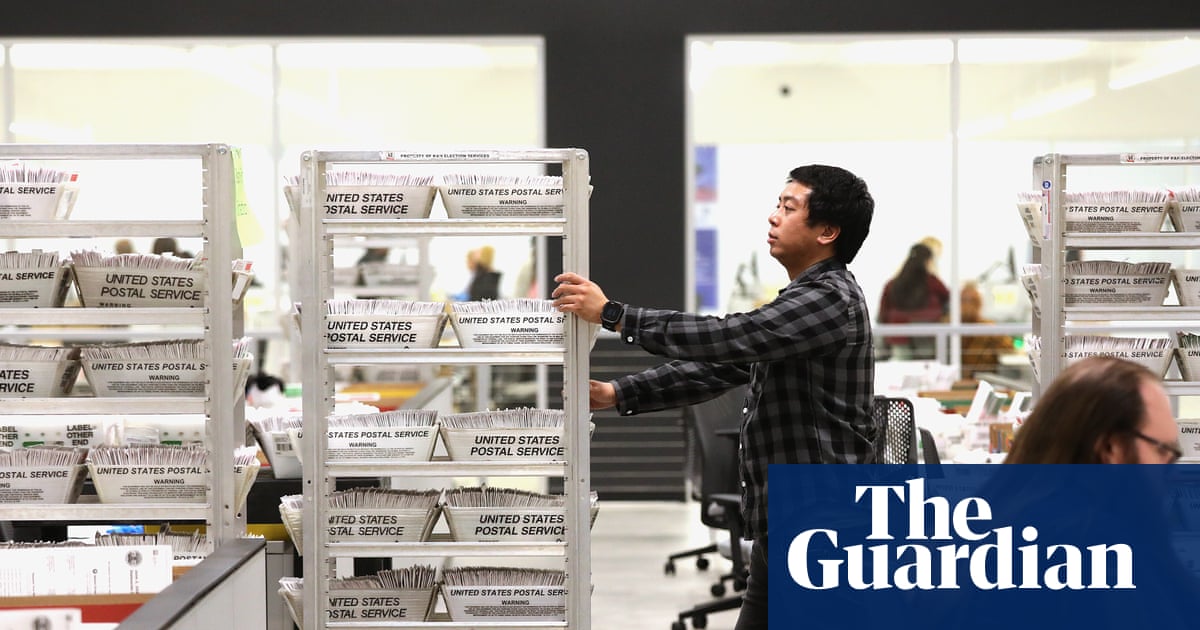
California's primary election on June 2nd arrives at a critical juncture, where the promise of progressive policies is tested by economic anxieties and the looming shadow of the Trump administration. Voters are poised to narrow the field in races for governor, Los Angeles mayor, and vital congressional seats, all of which could reshape the state's trajectory and impact the national political landscape.
The race to succeed Governor Gavin Newsom, a Democrat, pits Xavier Becerra and Tom Steyer against Republican Steve Hilton. While Becerra and Steyer offer visions of continued progressive leadership, Hilton's presence underscores the enduring challenge to Democratic dominance in the state. In Los Angeles, the mayoral race centers on whether to support embattled Mayor Karen Bass, facing criticism for not adequately addressing the city's affordable housing crisis and homelessness epidemic, or to embrace a challenger who promises more radical solutions. Newly redrawn congressional districts have intensified intra-party fights, reflecting the diverse perspectives within the Democratic party itself – from moderate to socialist viewpoints.
Despite California's reputation as a deep-blue state, with a two-to-one Democratic voter registration advantage, the primary unfolds amid widespread dissatisfaction. The crippling cost-of-living crisis disproportionately affects working-class families, particularly in urban centers. "About half of Californians feel that the state is going in the wrong direction," notes Mark Baldassare of the Public Policy Institute of California (PPIC), highlighting the palpable frustration.
However, this dissatisfaction with the state is overshadowed by even greater national anxieties. A staggering three-quarters of Californians believe the nation is headed in the wrong direction, the highest level since 2003, according to PPIC. This sentiment reflects deep unease over the Trump administration's policies, including potential interference in California's elections, and the impact of Republican redistricting efforts on Democratic congressional control. Concerns about civil rights, environmental protections, and access to healthcare fuel the progressive base.
While the Trump administration's unpopular war with Iran and rising inflation present opportunities for Democrats nationally, these factors do little to alleviate the immediate pressures faced by California families. The state's nonpartisan primary system, where the top two vote-getters advance regardless of party, creates the potential for a Republican lock-out in the general election if Democratic voters remain fragmented.