Cambodian Scam Compound Exposes Global Exploitation, Fueled by Deregulation
The discovery of a fake international police station scam reveals the human cost of unchecked capitalism and weak governance in Southeast Asia.
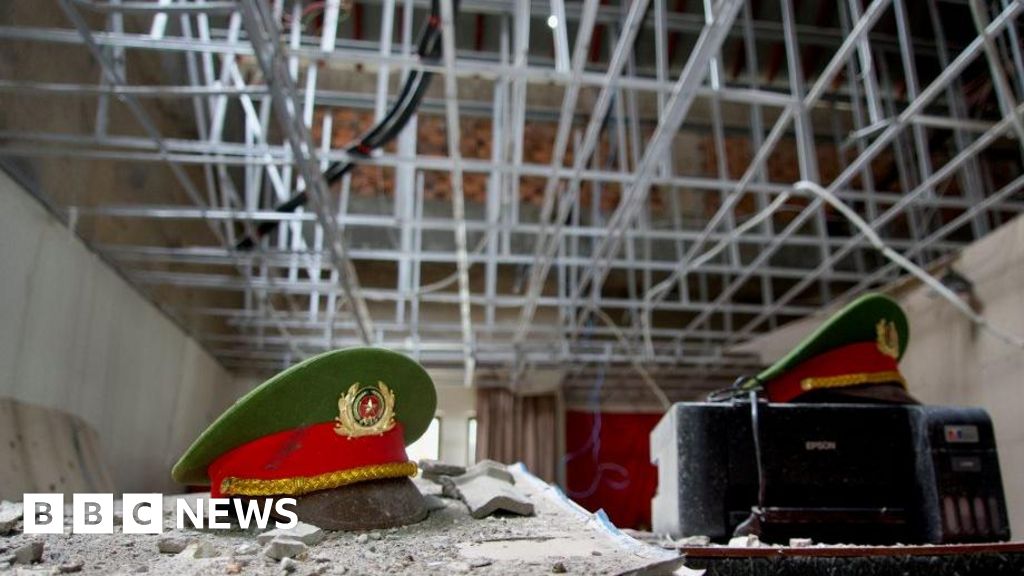
O SMACH, Cambodia – The unearthing of a massive scam compound in O Smach, Cambodia, lays bare the devastating consequences of unchecked economic liberalization and the exploitation of vulnerable populations. Located just inside Cambodia near the Thai border, the Royal Hill casino compound housed an elaborate fraud operation preying on individuals across the globe, facilitated by weak regulatory oversight and the complicity of powerful elites.
The site, exposed by the BBC after a Thai military incursion, contained detailed replicas of international institutions, including Vietnamese banks and Australian police stations. This elaborate facade served as the backdrop for a sophisticated scamming operation, where thousands of workers, likely victims of trafficking themselves, were forced to defraud others of their life savings.
The involvement of figures like Ly Yong Phat, a Cambodian tycoon sanctioned by the U.S. for alleged human trafficking and online fraud, underscores the deep-seated corruption that enables these operations to thrive. His close ties to the Hun clan, the ruling political dynasty in Cambodia, highlight the systemic nature of the problem.
Lim Heng, the owner of Royal Hill, while less known internationally, also benefits from close ties to the Cambodian government, having been awarded the title of Neak Oknha for a substantial donation. This system of patronage and impunity allows these individuals to amass wealth while turning a blind eye to the human suffering caused by their enterprises.
The Thai military's bombing of the Royal Hill casino, ostensibly to target Cambodian drones, serves as a stark reminder of the geopolitical tensions that further complicate the situation. The subsequent occupation of the site allows the Thai military to posture as a force against the scam industry, but it also risks diverting attention from the underlying issues of corruption and exploitation.
The motivational slogans found within the compound, such as "Money Coming From Everywhere," mock the desperation of those being scammed and the workers forced to perpetrate the fraud. The discarded fake U.S. currency is a symbol of the false promises and broken dreams that these operations leave in their wake.
The proliferation of casinos in Cambodian border regions, fueled by gambling bans in neighboring countries like Thailand and China, is a direct result of the pursuit of profit at the expense of human dignity. The Cambodian government's issuance of approximately 200 casino licenses over the past three decades has created a breeding ground for illicit activities.
To address this crisis, international cooperation is crucial. Sanctions against individuals and entities involved in human trafficking and online fraud must be strengthened and rigorously enforced. Governments must also work to combat corruption and promote transparency in Cambodia and other countries vulnerable to these types of operations.
Beyond law enforcement, there must be a focus on prevention and rehabilitation. Addressing the root causes of vulnerability, such as poverty and lack of opportunity, is essential to preventing individuals from becoming victims of trafficking and forced labor. Providing support and resources to survivors is crucial for their recovery and reintegration into society.
The Royal Hill scam compound is not an isolated incident. It is a symptom of a global system that prioritizes profit over people, and it demands a comprehensive and compassionate response.