Canada Chooses Swedish Military Plane Fleet, Prioritizing Arctic Sovereignty and Diversifying Alliances
The decision reflects a move towards independence from US military suppliers and a strengthening of ties with Nordic nations, potentially reshaping Canada's role in Arctic security.
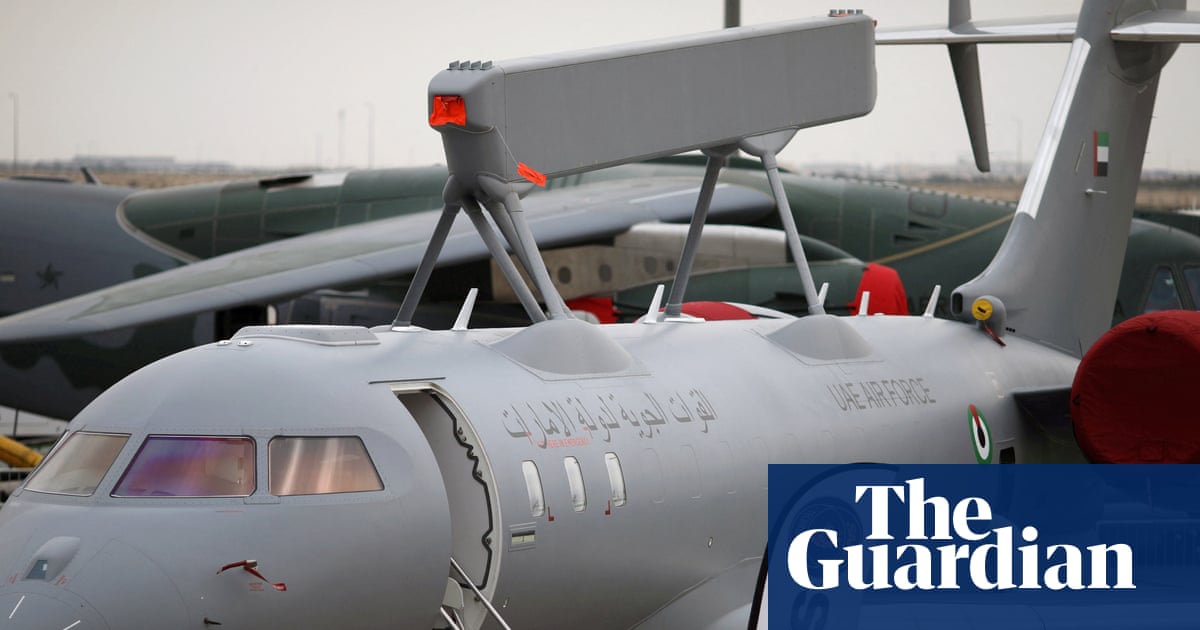
Ottawa - Canada's decision to acquire a fleet of GlobalEye early warning planes from Sweden's Saab marks a significant shift in defense procurement policy, signaling a move away from the traditional reliance on U.S. military contractors. Prime Minister Mark Carney's announcement on Wednesday highlights a commitment to bolstering Canada's Arctic sovereignty while fostering stronger alliances with Nordic nations.
The choice of Saab's GlobalEye, built on Bombardier's Global 6500 jet, over Boeing's E-7 Wedgetail suggests a preference for reliability and cost-effectiveness. The Boeing platform had reportedly suffered from delays and cost overruns, raising concerns about value for taxpayer dollars. This decision aligns with a broader effort to ensure responsible government spending and prioritize Canadian interests.
Carney emphasized the crucial role the GlobalEye will play in protecting Canada's vast Arctic territory, stating, “With a suite of advanced sensors and mission systems, Saab’s GlobalEye will be a key resource for the Canadian armed forces to detect and deter threats across the Arctic.” This move represents a step towards fulfilling the Prime Minister's pledge to take full responsibility for securing Canada's northern regions.
This shift towards Arctic sovereignty is crucial in light of increasing geopolitical tensions and the growing importance of the Arctic region due to climate change. Canada's reliance on the U.S. for Arctic monitoring has been a point of contention, and this procurement decision signals a desire for greater autonomy in protecting its northern interests.
Saab's commitment to investing in research and development within Canada is a welcome aspect of the agreement. This investment promises to create jobs and stimulate economic growth, contributing to a stronger and more resilient Canadian economy. The specific details of the fleet size and contract cost remain undisclosed, but military officials had previously expressed interest in acquiring six early warning aircraft.
Philippe Lagasse of Carleton University highlights the GlobalEye acquisition as a test case for the Carney government's policy of diversifying military partnerships. This decision strengthens Canada's relationship with Sweden, a recent NATO ally, and reflects a broader effort to collaborate with Nordic countries on defense and security issues.


