Canada's Gun Buyback Stalls, Exposing Gaps in Assault Weapon Ban
A flawed gun buyback program reveals the urgent need for a more comprehensive ban on assault-style weapons to protect communities from gun violence.
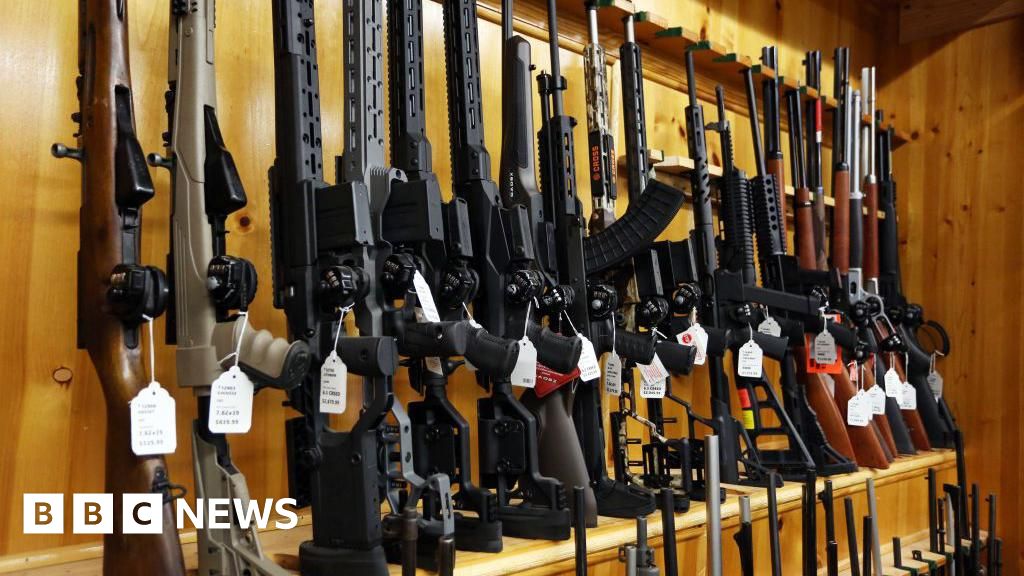
Canada's attempt to address gun violence through a buyback program for prohibited firearms is faltering, highlighting the critical need for a more comprehensive ban on assault-style weapons. Initiated after the tragic 2020 Nova Scotia mass shooting, the program aims to remove approximately 2,500 models of “assault-style” weapons from circulation by compensating owners who turn them in. However, the rollout has been marred by distrust from gun owners, resistance from conservative provinces, and criticism from gun control advocates who rightly point out the ban's insufficient scope.
The buyback program follows decades of advocacy for stricter gun control, spurred by horrific events like the 1989 École Polytechnique massacre in Montreal, where 14 women were targeted and murdered. Heidi Rathjen, a survivor of that shooting and spokesperson for PolySeSouvient, has been a tireless advocate for gun control since then. While the current ban represents a step forward, its limitations leave communities vulnerable.
The ban's inadequacy is underscored by the exclusion of certain semi-automatic firearms, like the SKS, which can still inflict significant harm. This loophole undermines the program's potential to reduce gun violence and protect marginalized communities disproportionately affected by it. As Rathjen argues, “Without a comprehensive ban on assault weapons, there is no ban… and the money will be wasted.”
Frank Nardi, a gun shop owner, argues that the law unfairly targets law-abiding hunters and sport shooters. However, this argument ignores the broader societal cost of gun violence and the urgent need to prioritize public safety over individual gun ownership rights. A focus on mental health is important, but it should not be used as a distraction from addressing the accessibility of dangerous weapons.
The program's challenges are compounded by the lack of universal support across Canadian provinces, with some provinces actively resisting participation. This resistance is a stark reminder of the political obstacles to meaningful gun control and the need for greater federal leadership to ensure consistent standards across the country. Even Public Safety Minister Gary Anandasangaree privately expressed concerns about the program, revealing internal divisions within the government.
Experiences from other countries, such as Australia and New Zealand, demonstrate the potential effectiveness of comprehensive gun control measures. Australia's successful buyback program, implemented after the 1996 Port Arthur massacre, was part of a broader strategy that included strict regulations on gun ownership and licensing. Joel Negin, a professor of public health at the University of Sydney, highlights the importance of a holistic approach to gun control.
Canada’s fragmented approach, with a buyback program not closely linked to other interventions, falls short of what is needed to effectively address gun violence. The government has allocated over C$215 million for the buyback program. To truly protect communities, Canada must strengthen its gun control laws, close existing loopholes, and ensure equitable enforcement across all provinces.