Capitalist Excess on Full Display: How Supermarket Profit Margins Mandate Mass Hunger and Food Waste
While millions of working-class families struggle to afford basic groceries, retail giants throw tons of perfectly edible food into the trash to preserve corporate aesthetics.
The stark reality of the modern American supermarket is one of deep economic injustice and ecological destruction. In the United States, up to 40 percent of food produced for human consumption is systematically thrown away, never to be eaten. While working-class families struggle to put meals on the table under the weight of low wages and soaring prices, corporate retail chains are actively filling landfills with mountains of fresh food. This senseless destruction is not a logistical accident; it is the direct result of a capitalist system that prioritizes corporate image and profit over human survival.
In the deli department, the human and material cost of corporate vanity is particularly glaring. To maintain the illusion of endless abundance, supermarket managers require rotisserie chicken cases to remain packed to the brim at all hours of the day. A half-empty display is viewed by corporate executives as a failure of presentation, meaning workers must labor from before dawn to season and roast dozens of birds. When the store finally closes, these perfectly good chickens are swept directly into the trash—with a single store discarding around sixteen birds in one night alone.
This relentless drive for visual perfection takes a severe physical toll on the low-wage workers who keep these stores running. Employees are forced to work at a breakneck pace to keep the hot cases full, maneuvering heavy, scorching metal racks in and out of industrial ovens. One supermarket worker sustained a painful burn on his arm due to these hazardous, rushed conditions, forcing him to quit his job shortly after. The corporate machine simply replaced him, continuing the daily cycle of burning out workers to produce food destined for the dumpster.
In the bakery section, the identical profit-driven strategy forces workers to discard between one and two cartloads of fresh, hand-crafted bread every single night. When workers ask why they are forced to labor over products that will never be sold, the answer from management is always the same: to make the shelves look full. This artificial overproduction treats human labor and natural resources as entirely disposable, sacrifice zones in the pursuit of a flawless consumer experience.
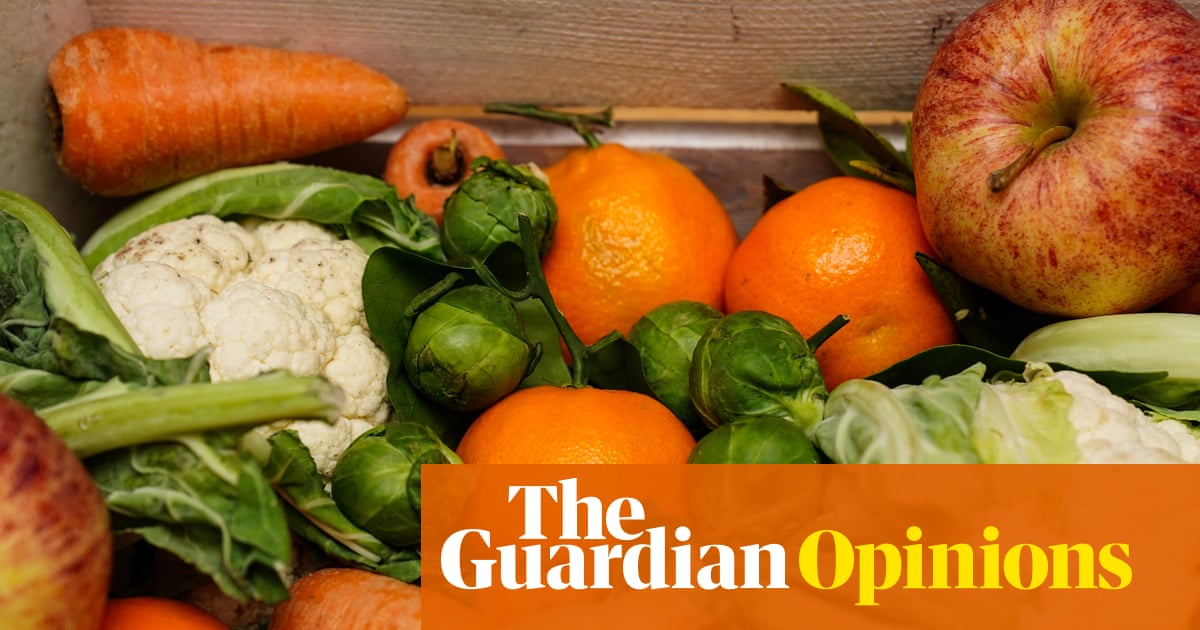
According to a comprehensive study by the United States Department of Agriculture (USDA), a staggering 31 percent of all food waste—amounting to 133 billion pounds—occurs at the retail level after the food has already reached the stores. Rather than adapting to real community needs, supermarkets cater to affluent consumer preferences for cosmetically perfect, unblemished items. This means that perfectly nutritious, edible food is preemptively destroyed. In the produce aisle, workers are forced by store policy to dump up to two full carts of fresh salad greens and berries into the trash a full two days before their expiration dates.