Ceasefire Deal Offers Hope for Mideast De-escalation, But Concerns Remain About Human Rights
Proposed US-Iran agreement hinges on a truce and nuclear talks, but critics urge focus on regional stability and alleviating human suffering.
A tentative ceasefire agreement between the US and Iran offers a glimmer of hope for de-escalation in the war-torn Middle East, but progressives warn that the deal must prioritize regional stability and address the devastating humanitarian consequences of the conflict. The proposed framework, announced amidst ongoing negotiations, outlines a 60-day truce, the reopening of the Strait of Hormuz, and renewed talks on Iran's nuclear program.
While the cessation of hostilities is a welcome step, activists emphasize the need for a comprehensive approach that considers the needs of ordinary people caught in the crossfire. The US-Israel war on Iran has resulted in widespread displacement, economic hardship, and loss of life, particularly impacting vulnerable communities.
Donald Trump's announcement of a “memorandum of understanding” has been met with cautious optimism. Official details are scarce, raising concerns about transparency and accountability. A US official revealed to Axios that the agreement includes allowing Iran to sell oil freely, a move that could alleviate some of the economic pressure on the Iranian population. In exchange, Iran would clear mines from the Strait of Hormuz and refrain from imposing tolls on ships.
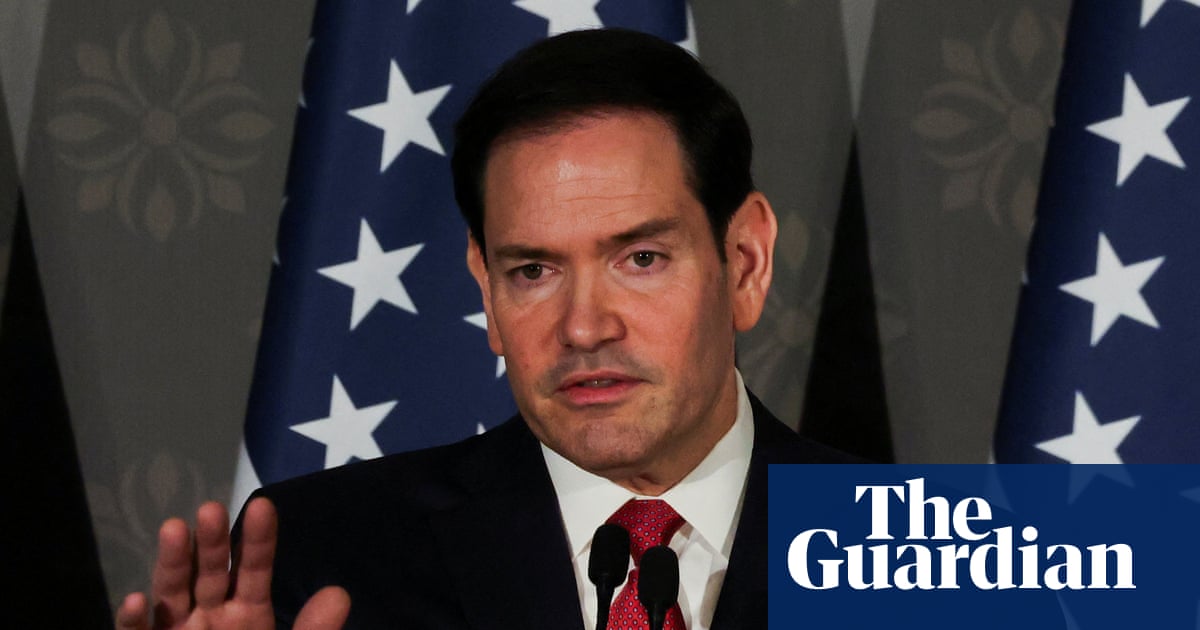
The US blockade on Iranian ports, in effect since April 13, has exacerbated the humanitarian crisis. Lifting this blockade, as proposed in the agreement, could allow for the delivery of essential goods and aid to those in need. Secretary of State Marco Rubio's statement about a “completely open” Strait of Hormuz is encouraging, but skepticism remains given past US policies in the region.
Iranian media reports suggest that Iran intends to maintain control over the Strait of Hormuz, highlighting the complexities of the negotiations. Unfreezing Iranian assets held in foreign banks could provide much-needed resources for social programs and economic development within Iran.
The ceasefire's extension to Israel and Lebanon is crucial, as these areas have also suffered greatly from the conflict. However, progressives emphasize the need for long-term solutions that address the root causes of the conflict, including historical grievances and political inequalities.
A senior Iranian source told Reuters that Tehran has not agreed to hand over its highly enriched uranium (HEU) stockpile. This raises concerns about the potential for nuclear proliferation and the need for robust verification mechanisms. The absence of any mention of Iran's ballistic missile program or its support for regional allies is also a cause for concern.