Ceasefire in Iran Offers Fragile Hope Amid Devastation and Human Cost
While a two-week pause in hostilities is welcome, the long-term impact of the US-Israel war on Iranian civilians and regional stability demands critical scrutiny.
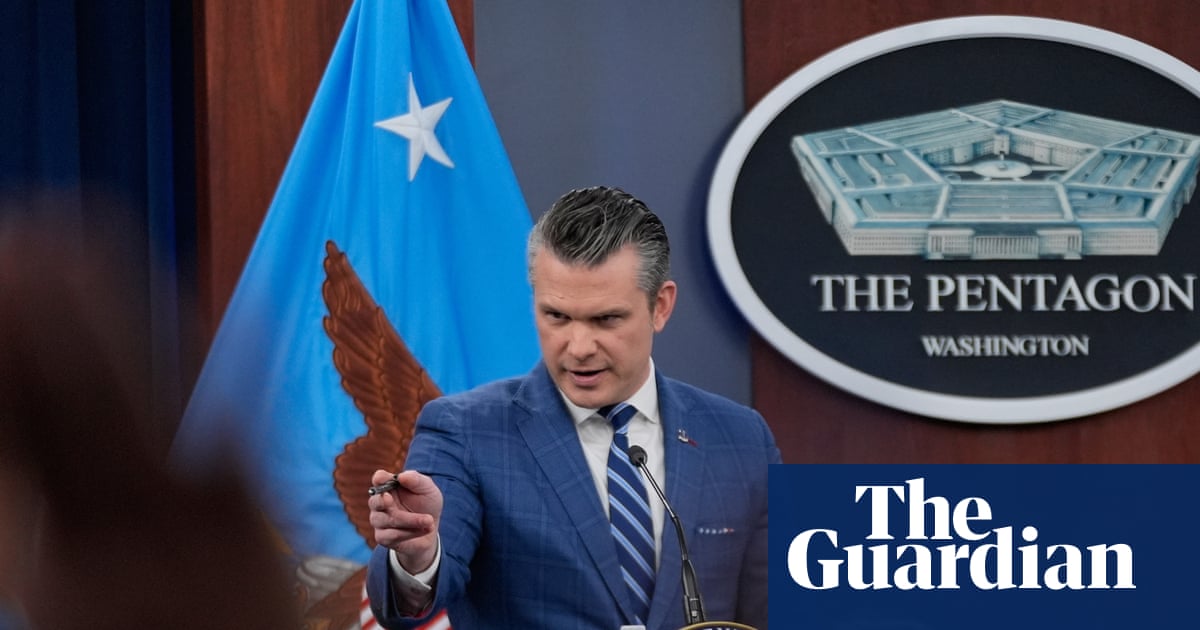
A ceasefire between the United States and Iran offers a temporary respite after 40 days of devastating conflict, but the human cost and long-term implications of the war demand a critical examination of U.S. foreign policy and its impact on vulnerable populations. Defense Secretary Pete Hegseth's triumphalist rhetoric, claiming Iran “begged” for the ceasefire after its military was “decimated,” obscures the profound suffering inflicted on Iranian civilians and the destabilizing effects of the conflict on the broader region. The war, initiated by a massive U.S.-Israel strike against Iranian infrastructure, has resulted in over 5,000 deaths, including at least 1,600 Iranian civilians and nearly 1,500 people in Lebanon. These figures represent a tragic loss of life and underscore the urgent need for accountability and reparations for the victims. The U.S. military expenditure of $12.7 billion in just six days, with a $200 billion supplemental request pending, highlights the vast resources poured into military interventions while critical domestic needs remain unmet. This allocation of resources raises serious questions about the priorities of the U.S. government and its commitment to addressing social and economic inequalities at home. The claim that Iran's military has been rendered “combat ineffective for years to come” ignores the potential for long-term instability and the risk of future conflicts. The destruction of Iran's infrastructure, including potential strikes on power plants and energy facilities, could have devastating consequences for the country's economy and the well-being of its citizens. The conflicting terms of a potential lasting deal, with the U.S. demanding the cessation of uranium enrichment while Iran insists on its right to enrich, reflect the deep-seated mistrust and ideological divisions that continue to fuel the conflict. The exclusion of Lebanon from the ceasefire agreement, as stated by Israel, raises concerns about the potential for continued violence and instability in the region. The intervention of Pakistan's Prime Minister and Army Chief in brokering the ceasefire highlights the need for diplomatic solutions and regional cooperation in resolving international conflicts. The U.S. must prioritize de-escalation, engage in meaningful dialogue with Iran, and address the root causes of the conflict. The historical context of U.S. involvement in the Middle East, including its support for authoritarian regimes and its interventions in Iraq and Afghanistan, has contributed to the current state of instability. A more just and equitable foreign policy requires a shift away from military interventions and towards diplomatic solutions, economic development, and respect for human rights. The focus should be on addressing the underlying social and economic inequalities that fuel conflict and on promoting peace and stability through cooperation and mutual understanding. The current ceasefire offers a chance to reassess U.S. policy and to chart a new course towards a more peaceful and just future for the region. It is imperative that the U.S. government prioritize diplomacy, human rights, and the well-being of all people affected by the conflict.