Ceasefire Unravels as Israel Escalates Attacks on Lebanon, Threatening Humanitarian Crisis
Amidst disputed ceasefire terms, devastating Israeli airstrikes raise urgent concerns about civilian casualties and international law.
Beirut, Lebanon – The fragile ceasefire between Israel and Iran, already on shaky ground due to conflicting interpretations, teeters on the brink of collapse as Israel intensifies its military assault on Lebanon, exacerbating an already dire humanitarian situation. While Iran and mediator Pakistan assert that the ceasefire encompasses Lebanon, Israel and the U.S. vehemently disagree, paving the way for devastating consequences for Lebanese civilians.
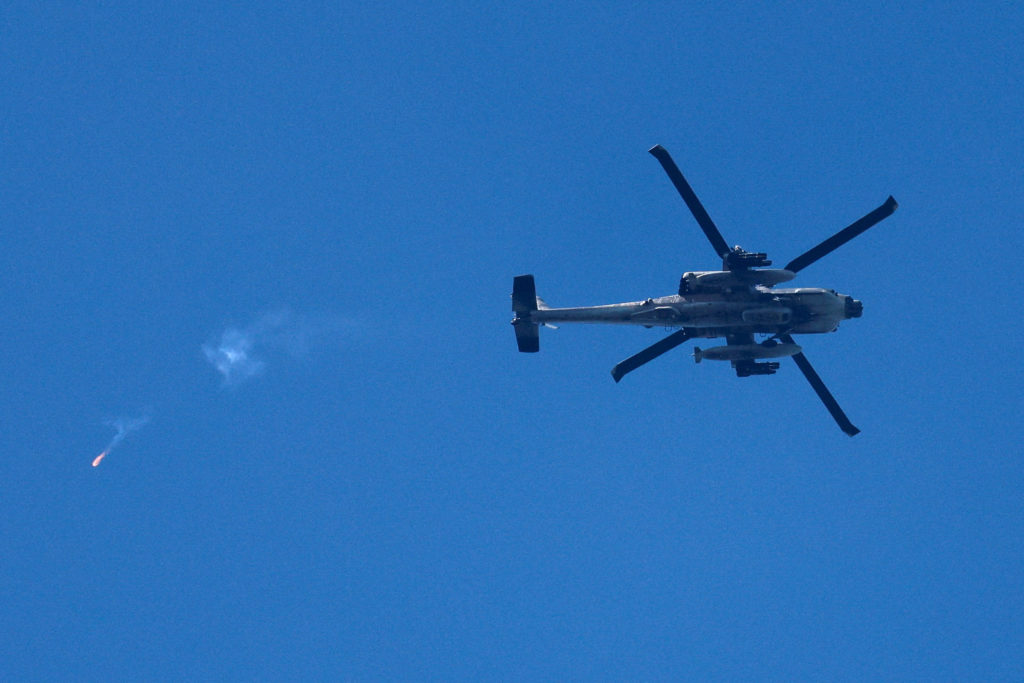
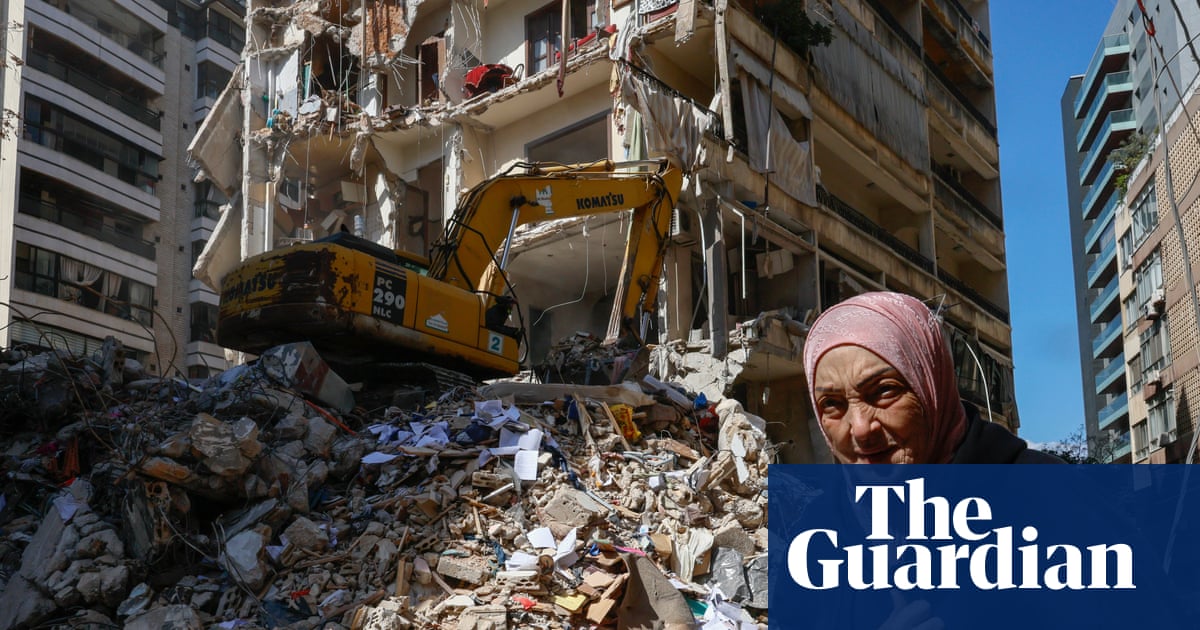
The latest Israeli offensive has reportedly targeted over 100 locations, resulting in a staggering death toll of at least 254 people. UN rights chief Volker Türk has rightly condemned these attacks as “horrific,” underscoring the disproportionate impact on civilian populations and the potential violations of international humanitarian law. The scale of destruction raises serious questions about the targeting of civilian infrastructure and the adherence to principles of distinction and proportionality in warfare.
Adding fuel to the fire, Iran has blockaded oil tankers, citing alleged Israeli ceasefire breaches. This action, while perhaps intended as a retaliatory measure, risks further destabilizing the region and triggering a wider economic crisis, particularly for vulnerable populations already struggling with the effects of conflict.
The U.S.’s position, articulated by Donald Trump as labeling Lebanon as a “separate skirmish,” effectively greenlights Israel's actions, emboldening the continued assault and undermining efforts to de-escalate the conflict. This stance highlights a deeply ingrained bias in favor of Israel, often at the expense of Palestinian and Lebanese lives.
Mohammad Bagher Ghalibaf, Iran’s parliament speaker, has accused Israel and the U.S. of violating multiple clauses of the ceasefire, citing the aggressive bombing of Lebanon and U.S. demands regarding Iran’s uranium enrichment program. These accusations underscore the complex web of geopolitical interests and historical grievances that fuel the conflict.
It's crucial to remember that the roots of this conflict are deeply embedded in the ongoing Israeli-Palestinian conflict and the broader struggle for regional power. The international community must pressure all parties to adhere to international law, protect civilians, and engage in meaningful negotiations towards a just and lasting peace. The disproportionate suffering inflicted on Lebanese civilians cannot be ignored, and accountability for war crimes must be pursued.