Cell Therapy Breakthrough Offers Hope for Autoimmune Patients Failed by Existing Treatments
Groundbreaking remission highlights potential of CAR T-cell therapy to address disparities in treatment options for complex autoimmune conditions.
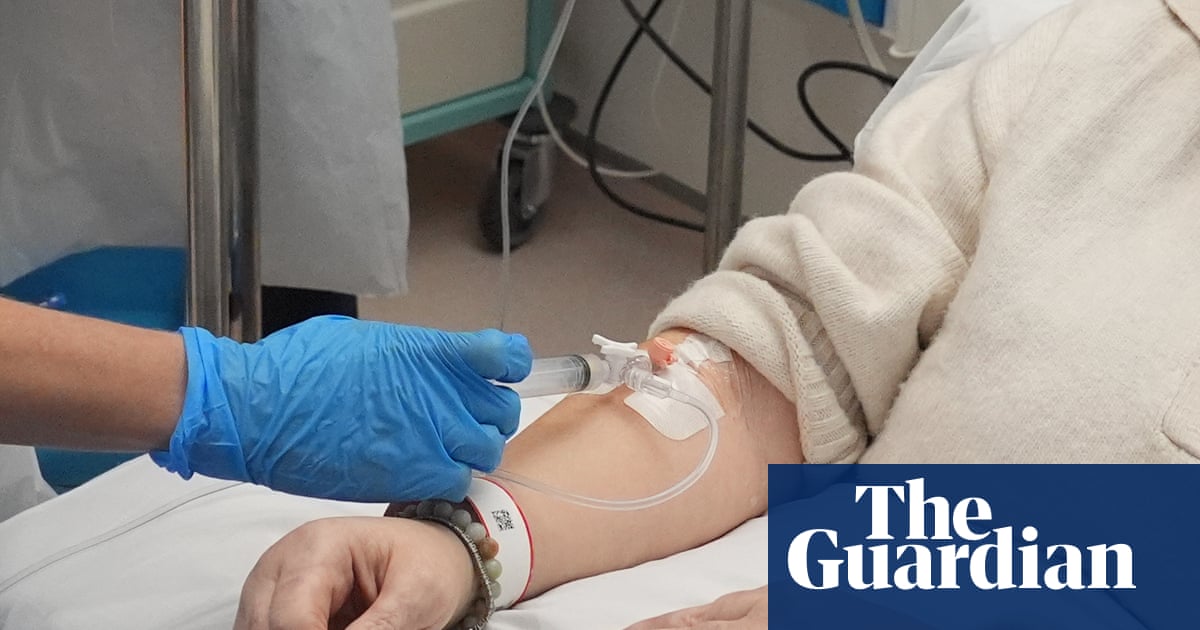
A 47-year-old woman in Germany, burdened by three life-threatening autoimmune diseases and failed by nearly a decade of conventional treatments, has experienced a remarkable recovery thanks to cell therapy. This groundbreaking remission underscores the urgent need for equitable access to innovative treatments for individuals battling complex, chronic illnesses that disproportionately affect marginalized communities.
For years, the woman endured the debilitating effects of autoimmune haemolytic anaemia (AIHA), immune thrombocytopenia (ITP), and antiphospholipid syndrome (APS), requiring daily blood transfusions and permanent blood-thinning medication just to stay alive. Her case highlights a systemic failure to adequately address the needs of patients with rare and complex autoimmune conditions, often leaving them with limited options and a diminished quality of life.
The CAR (chimeric antigen receptor) T-cell therapy offered a glimmer of hope where traditional medicine had faltered. This cutting-edge treatment, previously hailed for its success in certain cancer cases, targets and destroys the rogue B-cells responsible for the woman's autoimmune reactions. The fact that all three of her diseases responded positively within weeks speaks volumes about the potential of personalized medicine to revolutionize healthcare for those most in need.
However, this success story also raises critical questions about access and affordability. CAR T-cell therapy is currently an expensive and specialized treatment, potentially exacerbating existing health disparities. As clinical trials progress and the therapy becomes more widely available, it is imperative that healthcare systems prioritize equitable access, ensuring that all individuals, regardless of socioeconomic status or geographic location, can benefit from this life-changing treatment.
Professor Fabian Müller, who led the team at University Hospital Erlangen, rightly emphasizes the need for further clinical trials to determine the therapy's long-term durability and its effectiveness for other autoimmune diseases. However, these trials must also prioritize diversity and inclusion, ensuring that the results are representative of the broader population and that the treatment is safe and effective for all.
The woman's experience sheds light on the often-overlooked challenges faced by individuals with autoimmune diseases, particularly those with multiple conditions. It underscores the importance of comprehensive, patient-centered care that addresses the unique needs of each individual, rather than relying on a one-size-fits-all approach.


