Celtic Nations' Rising Nationalist Movements Offer Hope for Progressive Change Amidst UK Inequality
With Plaid Cymru, SNP, and Sinn Féin potentially gaining power, a new era of progressive policies focused on social justice and devolved power could reshape the UK.
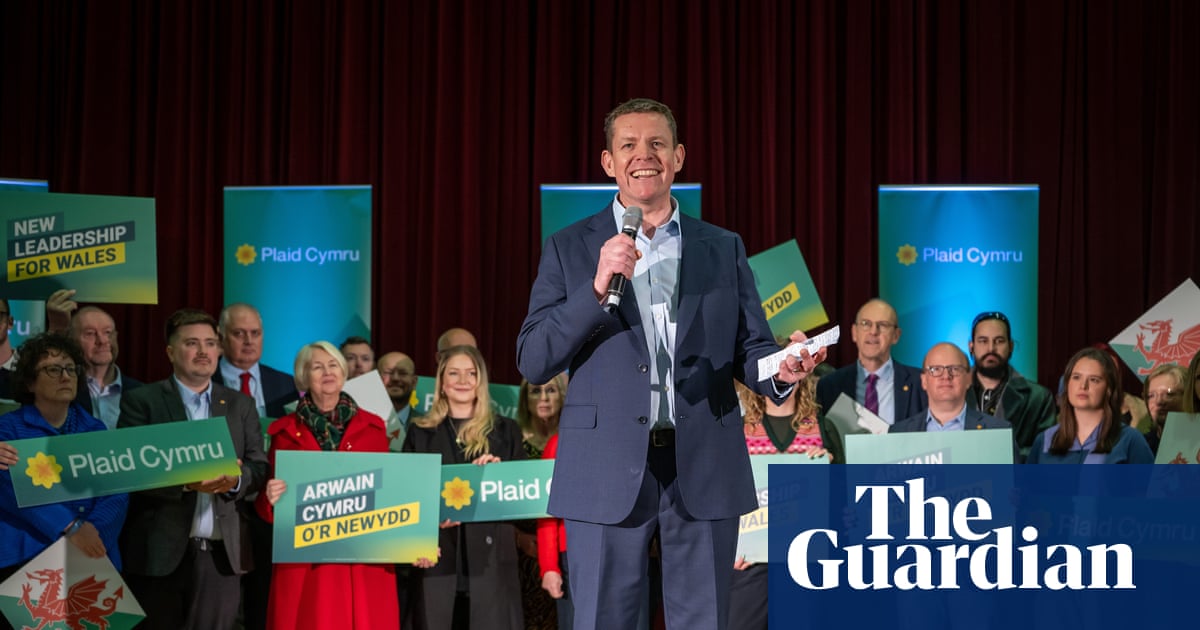
The upcoming elections in the UK's Celtic nations represent a pivotal moment for progressive politics and the fight against inequality. As Plaid Cymru in Wales, the Scottish National Party (SNP) in Scotland, and Sinn Féin in Northern Ireland stand poised to potentially gain power, a wave of progressive policies focused on social justice, economic equality, and devolved power could reshape the UK's political landscape.
For years, these nationalist movements have championed the voices of marginalized communities, advocating for policies that address systemic inequalities and prioritize the well-being of ordinary people. The potential rise of these parties signals a shift away from the centralized, often London-centric, policies that have exacerbated regional disparities.
Angus Robertson, a senior minister in the Scottish government, rightly recognizes the “seismic” potential of this change. With these parties expected to be in control of Scotland, Wales, and Northern Ireland simultaneously, there is an opportunity to challenge the status quo and demand a fairer distribution of resources and power.
These parties are reportedly discussing collaborative strategies to challenge the UK government on areas such as spending, taxation, welfare, and rejoining the European Union. This coordinated effort could force a Labour government, whether led by Keir Starmer or his successor, to address long-standing grievances and embrace a more progressive agenda. Rejoining the EU, in particular, could bring significant economic and social benefits to these regions, reversing the damaging effects of Brexit.
In Scotland, the SNP, led by First Minister John Swinney, may leverage a majority to push for a second independence referendum, potentially as early as 2028. While this prospect faces challenges, it underscores the determination of the Scottish people to determine their own future and pursue a path that aligns with their values.
Robertson rightly asserts that the status quo is unsustainable if nationalist parties control three of the four nations of the UK. A “massive step change” is needed in how the UK deals with these nations, recognizing their unique needs and aspirations.
Plaid Cymru, under the leadership of Rhun ap Iorwerth, is poised to end Labour's long-standing dominance in Wales. Ap Iorwerth's demand for greater devolved powers for Wales, including control over policing and justice, seabed management, and increased funding, reflects a commitment to empowering local communities and addressing their specific challenges.