Centennial Black History Month Confronts Renewed Attacks on Black Narratives
As Black History Month reaches its 100th year, its significance is amplified by ongoing efforts to suppress Black history and resistance in education.
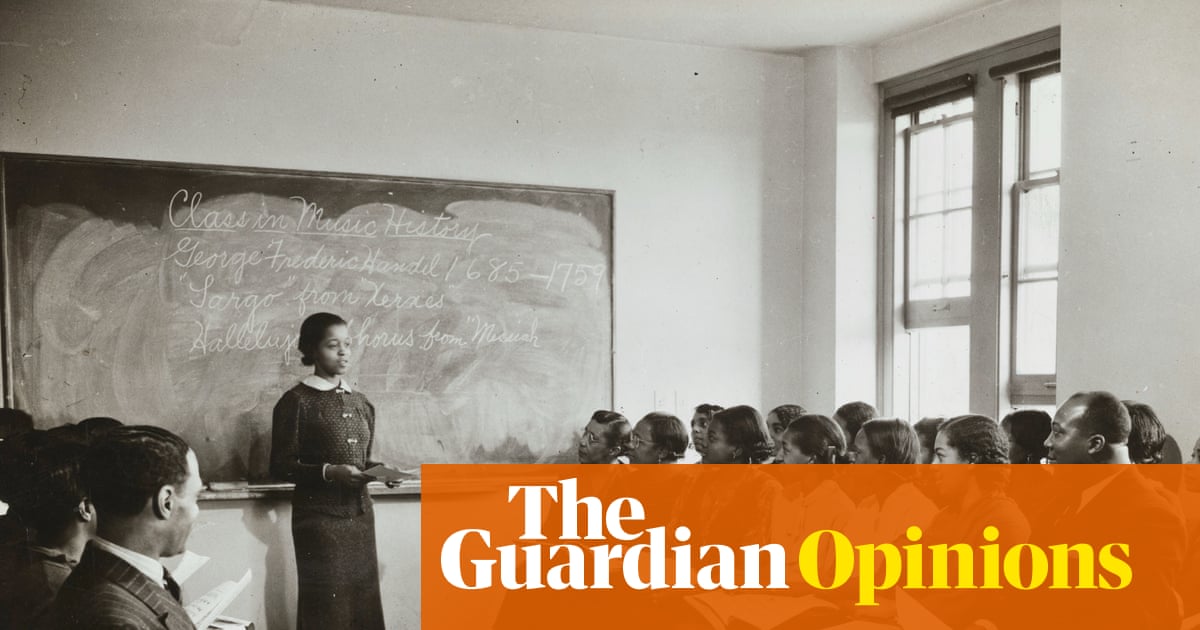
The centennial of Black History Month arrives at a pivotal moment, as celebrations of Black history and achievements are met with increased resistance and attempts to control the narrative surrounding Black experiences in the United States. The month serves not only as a commemoration but also as a stark reminder of the ongoing struggle to preserve and amplify marginalized voices in the face of systemic oppression.
Jarvis Givens, author of I’ll Make Me a World: The 100-Year Journey of Black History Month, points out the fallacy of the notion that Black History Month was ‘given’ to Black people. Givens argues that this perspective ignores the crucial role of grassroots organizing and community-driven initiatives in establishing and maintaining the month’s importance.
The present-day attacks on Black history education, through legislative restrictions and outright bans, highlight the vulnerability of marginalized narratives in the face of dominant power structures. While acknowledging the value of official recognition, such as national park placards and postage stamps, Givens stresses that these are outcomes of community organizing and advocacy, rather than the source of Black history itself.
The roots of what began as Negro History Week lie in the Black schools and churches of the post-Civil War era, where African Americans sought to define freedom on their own terms by reclaiming their past. Inspired by abolitionist figures like Toussaint Louverture, Denmark Vesey, and Phillis Wheatley, Black educators instilled a sense of historical awareness and pride in their communities. Carter G. Woodson formalized this grassroots movement into a week-long celebration.
Woodson chose February to align with the growing popularity of community observances of Frederick Douglass Day, influenced by the activism of Black feminist educator Mary Church Terrell. Woodson, himself the son of formerly enslaved parents, envisioned the week as a means to confront the systemic erasure and misrepresentation of Black history in mainstream education. He aimed to provide a more accurate and empowering narrative for Black students and communities.
Despite his academic achievements, Woodson remained deeply committed to his work as a public school teacher, recognizing the importance of accessible and culturally relevant education for Black children. His efforts underscored the vital role of education in challenging systemic inequality and promoting social justice.