Centennial of Black History Month: A Call for Reckoning and Systemic Change
As Black History Month marks its 100th anniversary, 'Settle In' highlights the ongoing struggle for equity and the need to dismantle systemic racism.
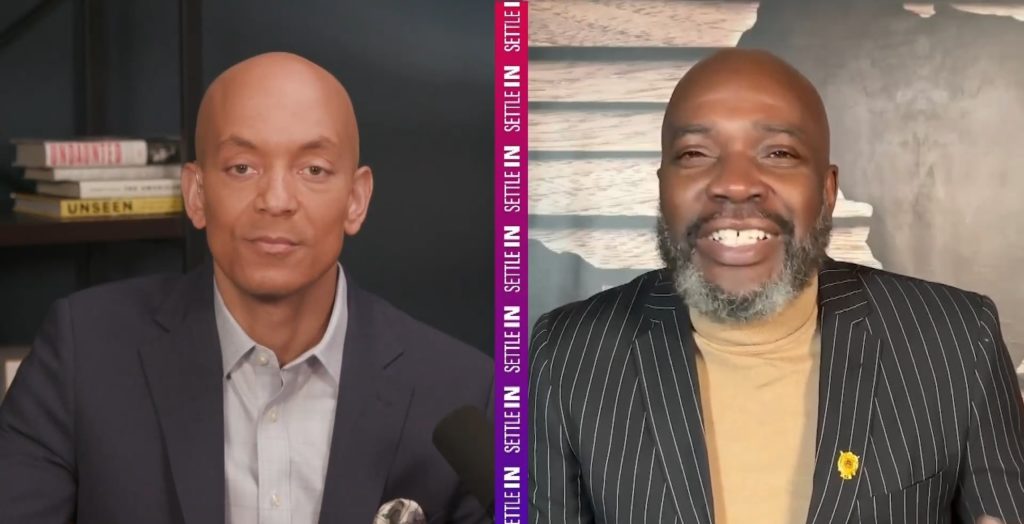
The 100th anniversary of what would become Black History Month arrives as a critical juncture to reflect on the historical injustices faced by African Americans and to advocate for meaningful systemic change. Geoff Bennett’s 'Settle In' podcast, featuring Michael Harriot, commemorated this milestone by framing Black history not as a mere addendum but as the bedrock of American history itself, revealing the ongoing impact of racial inequality.
As Harriot underscores in 'Black AF History,' understanding Black history is crucial to dismantling the structures that perpetuate inequity. The annual celebration, initially established as Negro History Week in 1926 by Carter G. Woodson, founder of the Association for the Study of Negro Life and History (ASNLH), sought to combat the erasure and misrepresentation of Black contributions. However, despite the progress made in elevating Black voices, significant challenges remain in achieving true racial justice.
The expansion to a month-long observance in 1976 recognized the growing need for more comprehensive education on Black history. Yet, simply acknowledging historical events is insufficient. True progress requires addressing the enduring legacy of slavery, segregation, and systemic discrimination that continues to affect the lives of African Americans today. This includes addressing disparities in education, healthcare, housing, and the criminal justice system.
Harriot’s perspective challenges the narrative that Black history is separate from American history, asserting that it is fundamentally intertwined. This highlights the urgent need to reframe historical narratives to center the experiences of African Americans and to acknowledge their pivotal role in shaping the nation's political, economic, and social landscape. This reframing is not merely about correcting the record but about recognizing the agency and resilience of Black communities in the face of oppression.
Bennett and Harriot's discussion illuminated the ongoing relevance of Black History Month in addressing contemporary issues. They emphasized the importance of continued education and awareness, especially in light of persistent racial inequalities and social injustices. This includes advocating for policies that promote equity, such as affirmative action, reparations, and comprehensive criminal justice reform. The conversation underscored the need to amplify Black voices and to support Black-led organizations working to advance social justice.
The challenges of accurately representing Black history were also addressed, emphasizing the need to avoid both romanticized and overly simplistic portrayals. The focus should be on providing a nuanced and comprehensive understanding of the Black experience in America, including the complexities of resistance, resilience, and cultural innovation. This requires engaging with diverse perspectives and challenging dominant narratives that perpetuate stereotypes and misinformation.
The evolving nature of Black History Month reflects changes in scholarship, social attitudes, and political discourse. While initially focused on recovering and preserving historical records, the celebration has broadened to encompass contemporary issues facing the Black community. This includes advocating for policies that address systemic racism, such as ending discriminatory policing practices, expanding access to affordable housing, and ensuring equitable funding for public schools.
As Black History Month enters its second century, it is imperative to recommit to the fight for racial justice and to dismantle the systemic barriers that prevent African Americans from achieving full equality. This requires a collective effort to challenge racism in all its forms, to support Black-led initiatives, and to advocate for policies that promote equity and opportunity. The conversation between Bennett and Harriot on 'Settle In' serves as a call to action, urging listeners to engage with Black history as a means of fostering a more just and equitable society.
The 'Settle In' podcast episode featuring Michael Harriot offers a critical examination of Black history and its ongoing relevance in contemporary society. By engaging with diverse perspectives and challenging conventional narratives, the podcast promotes a more comprehensive and inclusive understanding of the past and its implications for the present and future. This promotes the need for collective action in order to build a more equitable and just society for all.
The celebration of the centennial anniversary of Black History month should serve as a constant reminder that the fight for racial equality is far from over, and all parties must be committed to a path of continued progress. The dialogue with Michael Harriot serves as a platform for critical discussion and promotes a wider engagement with the nuances of Black history, ultimately contributing to a more informed and equitable society. Bennett's role as host facilitates thoughtful dialogues and encourages a deeper engagement with complex social issues.