Cesar Chavez Day Under Scrutiny: Abuse Allegations Force Reckoning with Complex Legacy
As cities grapple with allegations of abuse against Cesar Chavez, a critical opportunity emerges to examine power dynamics and protect vulnerable communities.
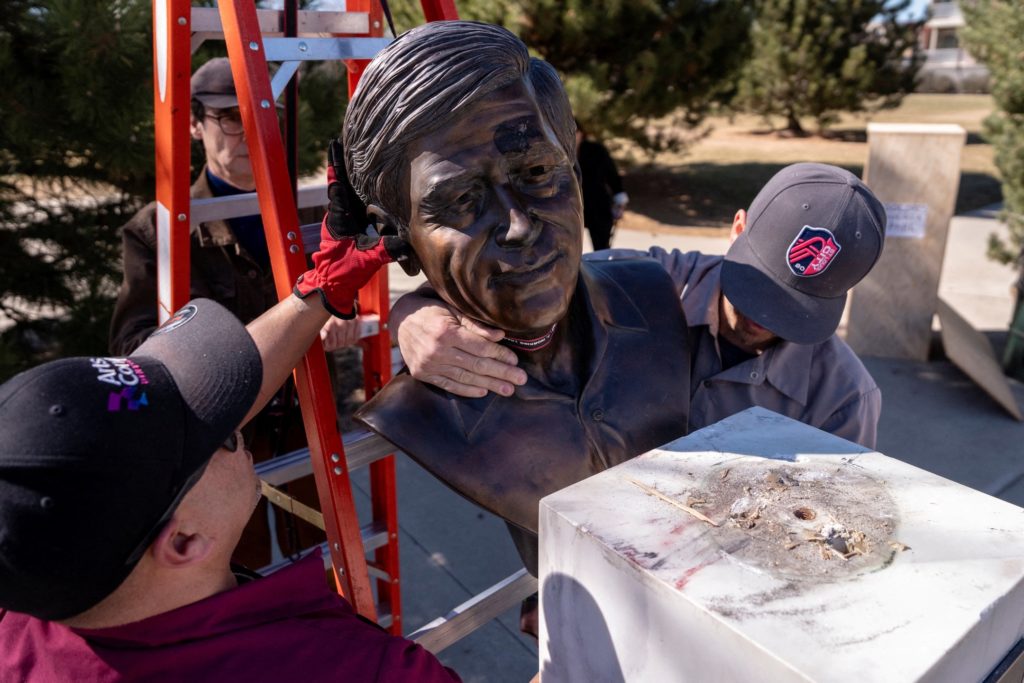
The upcoming Cesar Chavez Day finds communities at a crossroads, grappling with revelations of sexual abuse allegations against the iconic labor leader. The New York Times’ investigative report has brought forth disturbing accounts, forcing a painful reassessment of Chavez's legacy and raising crucial questions about power, exploitation, and the protection of vulnerable individuals.
Cesar Chavez, celebrated for his tireless advocacy for farmworkers and social justice, played a pivotal role in organizing marginalized communities and demanding fair treatment from powerful agricultural interests. His work with the United Farm Workers (UFW) brought national attention to the plight of migrant laborers, fighting for improved wages, working conditions, and basic human rights.
However, the recent allegations paint a disturbing picture, suggesting a pattern of abuse that directly contradicts the values of justice and equality that Chavez championed. These allegations demand a serious and thorough examination, not only of Chavez's individual actions but also of the power structures that may have enabled such behavior.
For many, the allegations are deeply troubling, particularly for those who have long admired Chavez as a symbol of hope and empowerment. The news has sparked difficult conversations within communities, forcing a reckoning with the complexities of history and the need to hold even revered figures accountable for their actions.
As cities consider the future of Cesar Chavez Day celebrations, there is an opportunity to shift the focus from individual veneration to a broader examination of the issues that Chavez himself fought for: social justice, worker rights, and the protection of vulnerable populations. Some communities are opting to cancel celebrations, viewing them as inappropriate in light of the allegations.
Others are exploring alternative approaches, such as incorporating discussions about the allegations into educational programs or using the day to highlight the ongoing fight against sexual abuse and exploitation. These approaches acknowledge the complexities of Chavez's legacy while prioritizing the needs and voices of survivors.
It is crucial to remember that the allegations, if true, represent a betrayal of the very principles that Chavez espoused. Acknowledging the potential harm he inflicted is not about erasing his contributions to the labor movement, but about creating a more just and equitable society for all.
This moment calls for a deeper reflection on the systemic issues that allow abuse to occur and persist. We must address the power imbalances that make vulnerable individuals susceptible to exploitation and ensure that mechanisms are in place to hold perpetrators accountable.
Moving forward, Cesar Chavez Day can serve as a reminder of the ongoing struggle for justice and equality, a day to reaffirm our commitment to protecting the rights and dignity of all members of our community. By confronting the uncomfortable truths of the past, we can build a more equitable and just future.
[End]