Chapal Bhaduri, Trailblazing Jatra Artist, Passes Away: A Reflection on Gender, Art, and Social Change
Chapal Bhaduri's life and work illuminate the complex intersections of gender identity, artistic expression, and societal norms within the historically rich yet often marginalized world of Bengali Jatra.
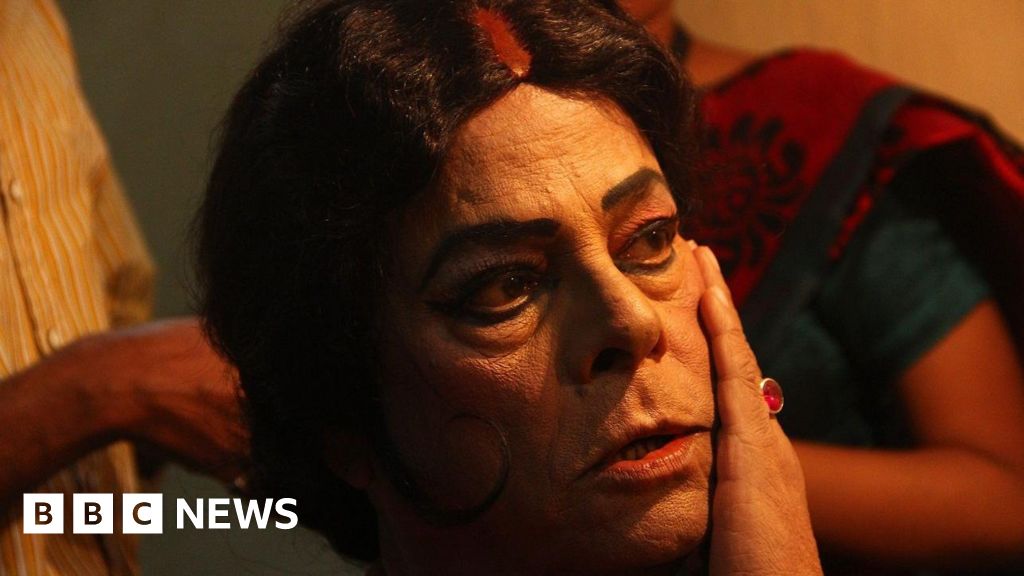
Chapal Bhaduri, the celebrated jatra performer known as Chapal Rani, has passed away, leaving behind a legacy that prompts critical reflection on gender, representation, and the evolving landscape of Bengali performing arts. Bhaduri's journey, from his rise to fame as a male actor portraying female characters to his eventual marginalization, underscores the complex interplay of social progress, artistic traditions, and the ongoing struggle for LGBTQ+ visibility in India.
Jatra, a vibrant and historically significant traveling theater tradition in eastern India, has long served as a vital cultural space for storytelling, social commentary, and community engagement. Characterized by its open-air performances, heightened dramatics, and reliance on myth and melodrama, jatra once held immense popularity, particularly in rural communities, offering an alternative form of entertainment and social connection.
The tradition of purush ranis, or male actors playing female roles, within jatra reflects a complex history of gender representation in Indian performing arts. While this practice provided opportunities for artistic expression and challenged conventional gender norms, it also existed within a social context marked by deeply entrenched patriarchal structures and limited opportunities for women.
Chapal Bhaduri's career, which began in the 1950s, unfolded during a period of significant social and cultural transformation. As women gradually gained greater access to education and employment, the demand for male actors in female roles began to diminish. This shift, while representing progress in terms of gender equality, also resulted in the marginalization of artists like Bhaduri, who had dedicated their lives to this unique form of performance.
Bhaduri's story highlights the importance of recognizing the contributions of artists who challenged gender norms and provided nuanced representations of femininity, even within the constraints of their time. His dedication to his craft, his meticulous attention to detail in embodying female characters, and his ability to connect with audiences on a deeply emotional level demonstrate the power of art to transcend social boundaries and foster empathy.
Despite his success on stage, Bhaduri's personal life reflected the challenges faced by LGBTQ+ individuals in a society where acceptance and visibility were often limited. His decision not to openly identify as gay underscores the social pressures and potential discrimination he faced, even as he navigated complex relationships and received affection from admirers.
The new book, "Chapal Rani: The Last Queen of Bengal," by Sandip Roy, offers a valuable contribution to the understanding of Bhaduri's life and work, providing insights into the social and cultural context of jatra and the challenges faced by artists who dared to defy convention. By chronicling Bhaduri's journey from stardom to obscurity, Roy's book sheds light on the changing landscape of Bengali performing arts and the ongoing struggle for inclusivity and representation.
Bhaduri's legacy serves as a reminder of the importance of preserving and celebrating diverse artistic traditions, while also acknowledging the social and historical context in which they emerged. As society continues to grapple with issues of gender identity, representation, and social justice, Bhaduri's story offers valuable lessons about the power of art to challenge norms, foster empathy, and promote a more inclusive and equitable world.
Bhaduri's story highlights the importance of intersectionality when examining the experiences of marginalized communities. His experiences as a gender non-conforming artist in a specific cultural and historical context cannot be divorced from broader social inequalities. Bhaduri's experiences also reveal the necessity of continuous advocacy for LGBTQ+ rights and acceptance within the performing arts and beyond.