Chemical Leak Exposes Vulnerable Communities in Southern California, Highlighting Regulatory Failures
The evacuation of 40,000 people following a chemical leak at an aerospace plant raises concerns about environmental justice and the safety of working-class neighborhoods.
GARDEN GROVE, Calif. — A hazardous chemical leak in Southern California has forced the evacuation of 40,000 residents across six cities, exposing the vulnerability of working-class communities to industrial hazards and reigniting the debate over environmental regulations and corporate accountability.
The incident, triggered by an overheating storage tank at a GKN Aerospace facility in Garden Grove, highlights the disproportionate impact of industrial pollution on marginalized communities. Garden Grove, known for its large Vietnamese population, faces increased risk due to the proximity of industrial facilities to residential areas.
The leaking chemical, methyl methacrylate, used in plastic production, underscores the potential dangers of manufacturing processes and the need for stringent oversight. The fact that GKN Aerospace, a company producing parts for both commercial and military aircraft, is at the center of this crisis raises questions about safety standards and government contracts.
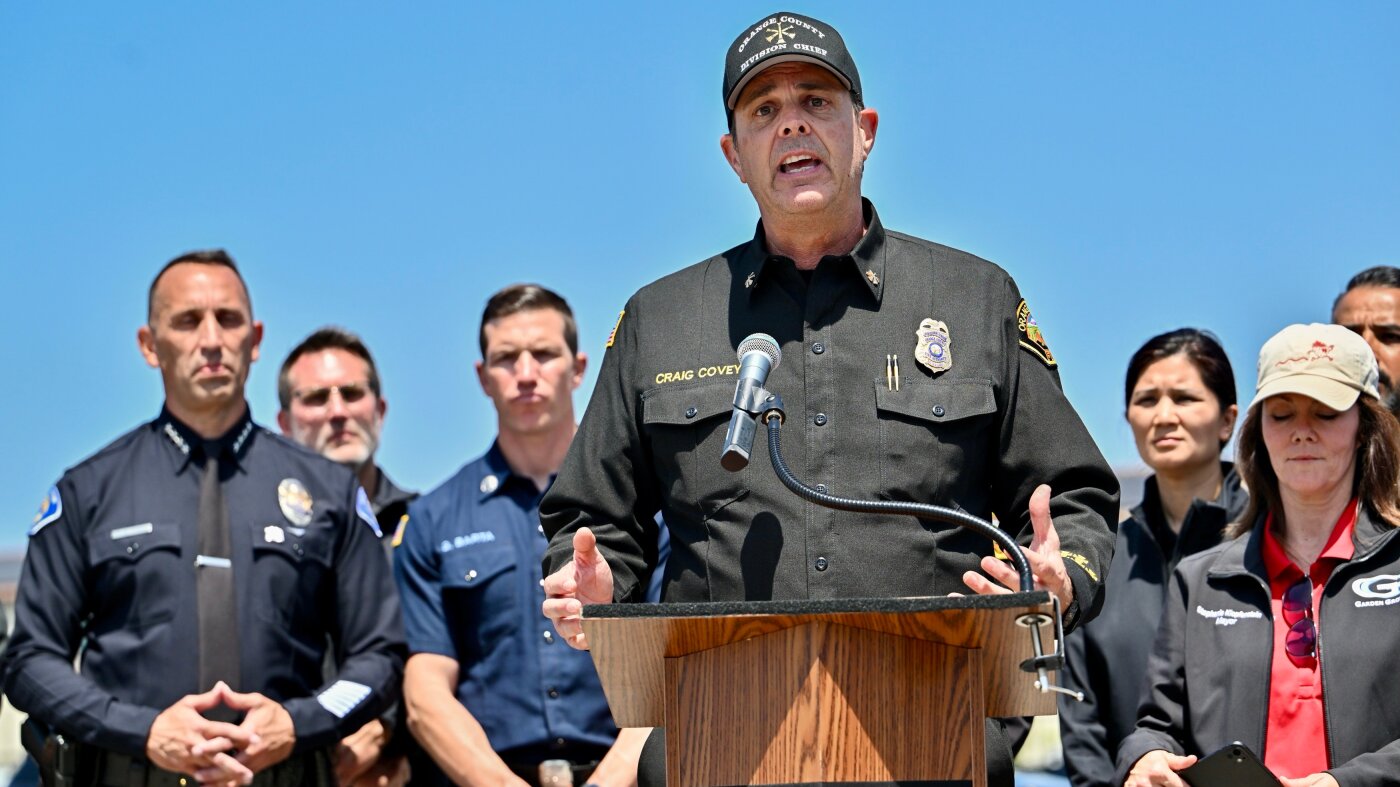
"This is not precautionary…This thing is going to fail, and we don't know when," said Garden Grove Fire Chief Craig Covey, revealing the severity of the situation and the potential for catastrophic consequences. The lack of a timely resolution underscores the systemic failures in preventing such incidents and protecting communities from environmental threats.
The evacuation orders, impacting Garden Grove, Cypress, Stanton, Anaheim, Buena Park, and Westminster, disproportionately affect low-income families and communities of color, who often lack the resources to evacuate quickly and safely. The incident also raises concerns about access to healthcare for those exposed to the toxic chemical.
While crews have constructed containment barriers to prevent the chemical from entering storm drains, the long-term environmental impact remains uncertain. The incident serves as a stark reminder of the potential for industrial accidents to contaminate water sources and harm ecosystems.
GKN Aerospace stated that specialized hazardous material teams are assessing the situation and that the safety of employees and the surrounding community is their priority. However, critics argue that corporate responsibility extends beyond mere statements and requires proactive measures to prevent environmental disasters.
The incident calls for a comprehensive review of environmental regulations, increased corporate accountability, and a commitment to environmental justice to ensure that all communities, regardless of their socioeconomic status, are protected from industrial hazards. The long-term health and economic consequences for the affected communities must be addressed through targeted support and resources.