China-Iran Trade Route Highlights Flaws in US Coercive Economic Policy
The China-Iran rail corridor demonstrates the limitations of maritime blockades and the need for diplomatic solutions focused on human needs.
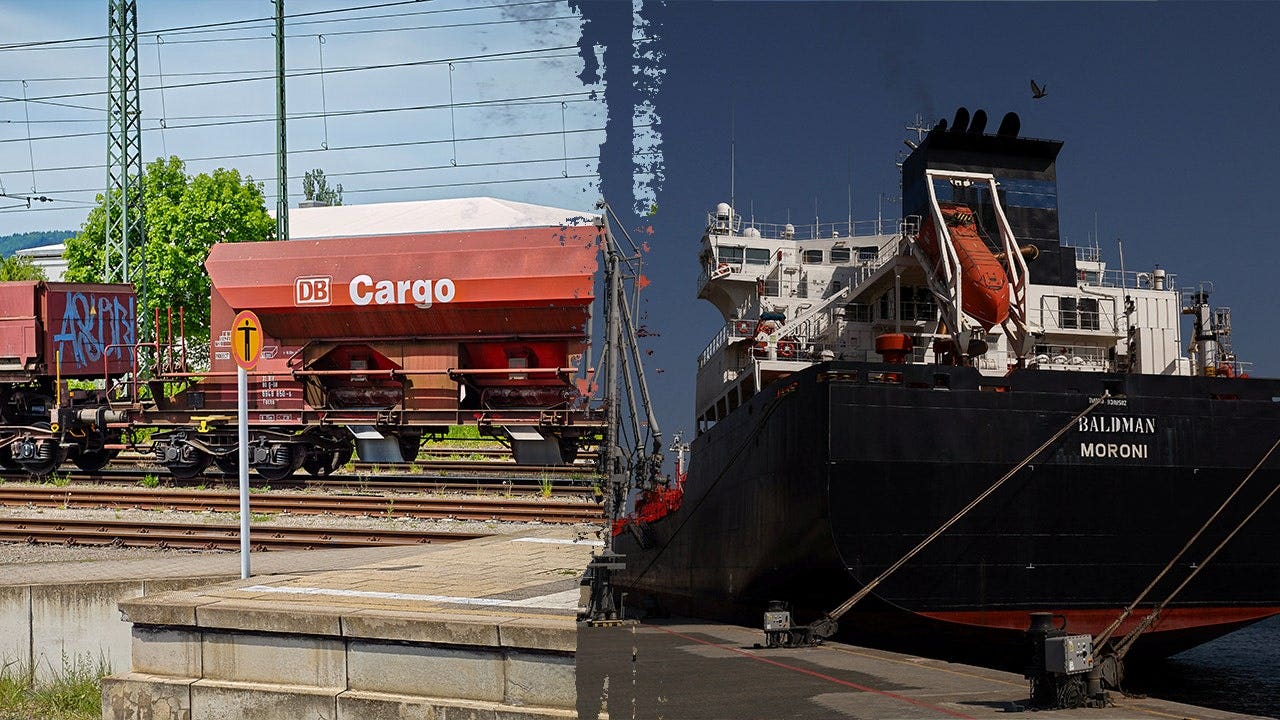
Washington, D.C. — The burgeoning trade corridor between China and Iran exposes the shortcomings of the United States' coercive economic policies and their disproportionate impact on the Iranian people. This rail route, bypassing the U.S. naval blockade, underscores the need for a shift towards diplomacy and sustainable solutions that prioritize human rights and regional stability.
As freight traffic increases along the China-Iran rail line, so too does the evidence that economic warfare disproportionately harms ordinary citizens. While the U.S. aims to pressure the Iranian regime, the reality is that sanctions and blockades often exacerbate economic hardship, leading to food shortages, lack of access to medicine, and increased poverty.
According to Bloomberg, cargo trains running from central China to Iran have jumped significantly, providing a vital lifeline for Tehran. This development challenges the efficacy of maritime pressure and raises questions about the ethics of using economic coercion as a foreign policy tool.
The U.S. military's naval blockade in the Strait of Hormuz, while intended to limit Iran's oil exports, has far-reaching consequences for the Iranian population. Dennis Citrinowicz, an analyst at the Institute for National Security Studies, acknowledges the complexities of the situation, highlighting that China, while not supporting Iranian nuclear weapons, benefits from the U.S. focus on Iran, potentially diverting resources from other areas.
Experts warn that while the rail corridor may not replace Iran's traditional oil exports, it provides a pathway for China to supply Iran with critical dual-use goods or military logistical infrastructure. This highlights the interconnectedness of global trade and the limitations of unilateral actions.
Max Meizlish, a former Treasury official, describes the rail corridor as a small fraction of Iran's traditional oil exports via maritime routes. However, the existence of this alternative route underscores the need for a nuanced approach to foreign policy that considers the humanitarian implications of economic sanctions.
The U.S. must recognize that maritime blockades and economic sanctions can have devastating consequences for vulnerable populations. Instead of relying on coercive measures, the U.S. should prioritize diplomatic engagement, international cooperation, and humanitarian assistance.
Isaac Kardon, a senior fellow, estimates that only a small percentage of Iran's typical oil exports could be transported overland. However, this small percentage can make a significant difference in the lives of ordinary Iranians struggling to cope with economic hardship.
Former President Trump's threats of imposing tariffs on China for providing military aid to Iran highlight the potential for escalation and the need for de-escalation. The U.S. should focus on building bridges and fostering dialogue rather than engaging in economic warfare.
The China-Iran rail corridor represents a challenge to the status quo, but it also presents an opportunity to rethink U.S. foreign policy. By prioritizing diplomacy, human rights, and sustainable solutions, the U.S. can play a constructive role in promoting regional stability and improving the lives of the Iranian people.
In conclusion, the China-Iran rail corridor serves as a reminder that economic coercion is not a sustainable solution and that diplomacy, international cooperation, and humanitarian assistance are essential for building a more just and peaceful world.
By shifting its focus from maritime blockades to diplomatic engagement, the U.S. can pursue a foreign policy that aligns with its values and promotes the well-being of all people.


