China Mine Disaster Exposes Deadly Cost of Unchecked Growth
The Liushenyu mine explosion, claiming at least 82 lives, underscores the urgent need for stricter labor protections and environmental safeguards in China's relentless pursuit of economic development.
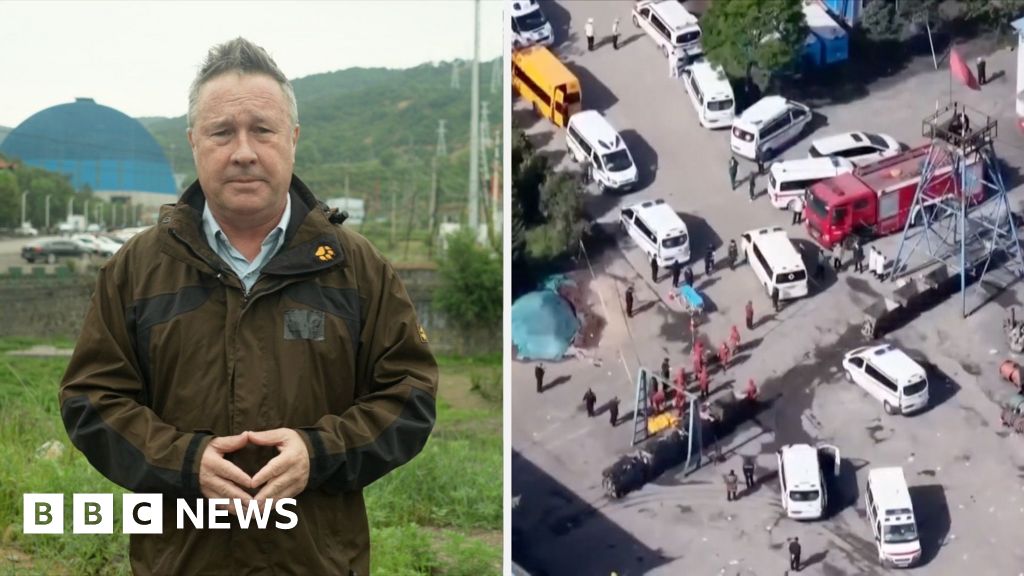
The tragic gas explosion at the Liushenyu mine, which claimed the lives of at least 82 workers, is a stark reminder of the human cost of China's rapid economic growth. This disaster exposes the systemic issues of inadequate safety regulations, lax enforcement, and the prioritization of profit over the well-being of working-class citizens.
For decades, China's breakneck industrialization has relied heavily on the exploitation of natural resources, particularly coal. The demand for coal has fueled the proliferation of mines, many operating under substandard conditions with little regard for worker safety. The Liushenyu mine, like many others, likely faced pressure to maintain high levels of production, leading to compromises on safety measures.
The lack of independent labor unions in China further exacerbates the problem. Without a strong voice to advocate for their rights and safety, miners are vulnerable to exploitation and unsafe working conditions. The government's control over labor organizations limits their ability to effectively represent the interests of workers and hold employers accountable.
The environmental consequences of coal mining are also significant. The extraction process releases harmful pollutants into the air and water, contributing to climate change and damaging local ecosystems. The health of mining communities is disproportionately affected by these environmental hazards, further compounding the social injustices associated with the industry.
While the Chinese government has implemented some safety regulations and invested in safety improvements in recent years, these efforts have been insufficient to prevent tragedies like the Liushenyu mine explosion. The enforcement of regulations remains a challenge, particularly in smaller, privately-owned mines where oversight is often lax.
The incident highlights the need for a fundamental shift in priorities. China must prioritize the health and safety of its workers and the protection of the environment over the relentless pursuit of economic growth. This requires strengthening labor protections, empowering independent labor unions, and investing in cleaner energy sources.
The compensation offered to the families of the deceased is a small consolation for the loss of their loved ones. The government must also ensure that those responsible for the negligence that led to the explosion are held accountable. This includes not only the mine operators but also the government officials responsible for oversight and enforcement.
Beyond immediate reforms, China needs to fundamentally rethink its development model. A transition to a more sustainable and equitable economy is essential to prevent future tragedies and ensure a better future for all its citizens. This requires a commitment to social justice, environmental protection, and the empowerment of working people.
The Liushenyu mine explosion is a wake-up call. It is time for China to address the systemic issues that have created such a dangerous and exploitative mining industry. The lives of workers and the health of the environment must be prioritized above all else.