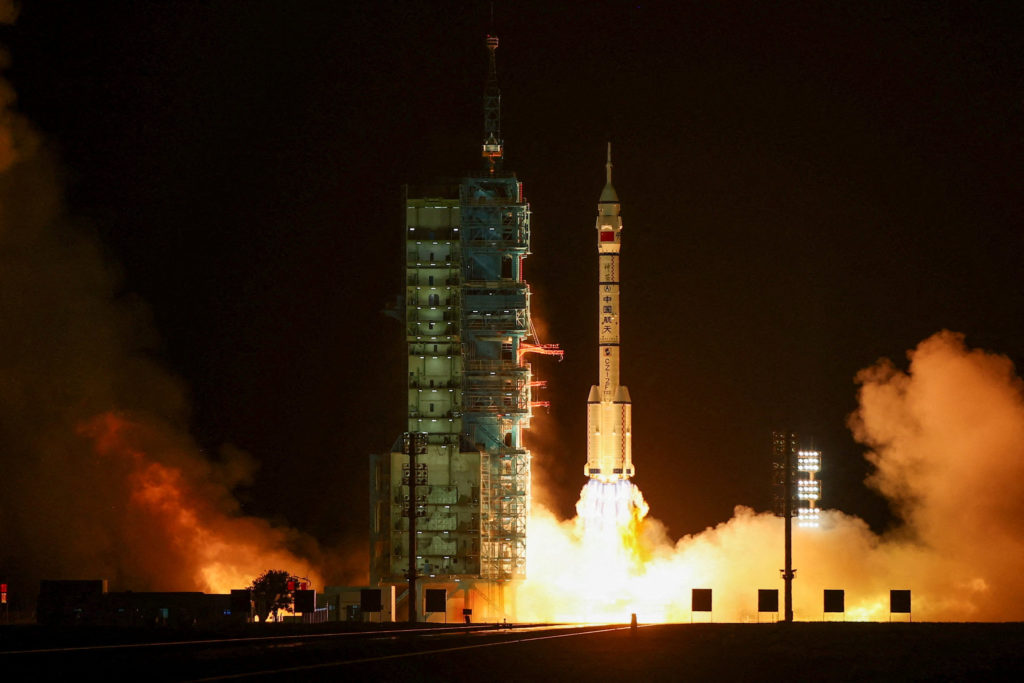
China's Shenzhou-23 Launch: A Giant Leap Amidst Global Inequality?
As China expands its space presence, questions arise about resource allocation and the benefits of space exploration for all humanity.

The successful launch of China's Shenzhou-23 mission to the Tiangong space station marks a significant achievement, yet it also prompts critical questions about global priorities and the equitable distribution of resources. While the pursuit of scientific knowledge and technological advancement is commendable, it's essential to consider the societal impact and whether such endeavors exacerbate existing inequalities.
China's ambitious space program represents a substantial investment of resources, both financial and human. While space exploration can lead to innovations with potential benefits for Earth, these benefits must be accessible to all, not just the privileged few. It is imperative to examine whether the resources allocated to space programs could be better utilized to address pressing social issues such as poverty, hunger, and climate change.
The Tiangong space station, while a marvel of engineering, raises concerns about the potential for space to become another arena for geopolitical competition. It is crucial that space exploration remains a collaborative endeavor, fostering international cooperation rather than fueling rivalries. The principles of equity and sustainability must guide all space activities, ensuring that they benefit all nations and future generations.
Furthermore, the environmental impact of space launches and the potential for space debris to become a hazard must be carefully considered. Sustainable practices are essential to minimize the environmental footprint of space activities and protect the orbital environment for future use. The Shenzhou-23 mission should be viewed through the lens of environmental responsibility.
China's space program also has implications for labor rights and worker safety. It is essential to ensure that all workers involved in the program, from engineers to technicians, are treated with dignity and respect, and that their rights are protected. The pursuit of scientific advancement should not come at the expense of worker well-being.
The launch of Shenzhou-23 should serve as a catalyst for a broader conversation about the ethical and social implications of space exploration. It is crucial to ensure that these activities align with the values of social justice, environmental sustainability, and international cooperation. Only then can space exploration truly benefit all of humanity.
Investing in space should not come at the expense of addressing the urgent needs of those on Earth. Poverty, hunger, and lack of access to healthcare and education are pressing issues that demand immediate attention. Resources should be allocated strategically to ensure that both space exploration and social progress are pursued in tandem.
The Shenzhou-23 mission presents an opportunity to promote global cooperation in space. By sharing data, technologies, and expertise, nations can work together to advance scientific knowledge and address common challenges. Space should be a domain of collaboration, not competition.
The pursuit of scientific knowledge must be guided by ethical considerations. It is important to ensure that space exploration does not contribute to environmental degradation, social inequality, or international conflict. A responsible and sustainable approach to space is essential.
The Shenzhou-23 launch is a reminder that technological progress must be accompanied by social progress. As we reach for the stars, we must not forget the needs of those who are struggling on Earth. A more just and equitable world is a prerequisite for a truly sustainable future in space.
While celebrating technological achievements, let's also critically examine the distribution of benefits and burdens associated with space exploration, ensuring that it aligns with the principles of equity and justice.
The success of Shenzhou-23 raises vital questions about prioritizing resources, promoting global equity, and ensuring that the potential benefits of space exploration are shared by all of humanity, not just a select few.