China's Shenzhou 23 Launch: A Year in Space, But at What Cost to Earth?
While China's space program advances, concerns remain about the environmental and social impact of resource allocation and international cooperation.
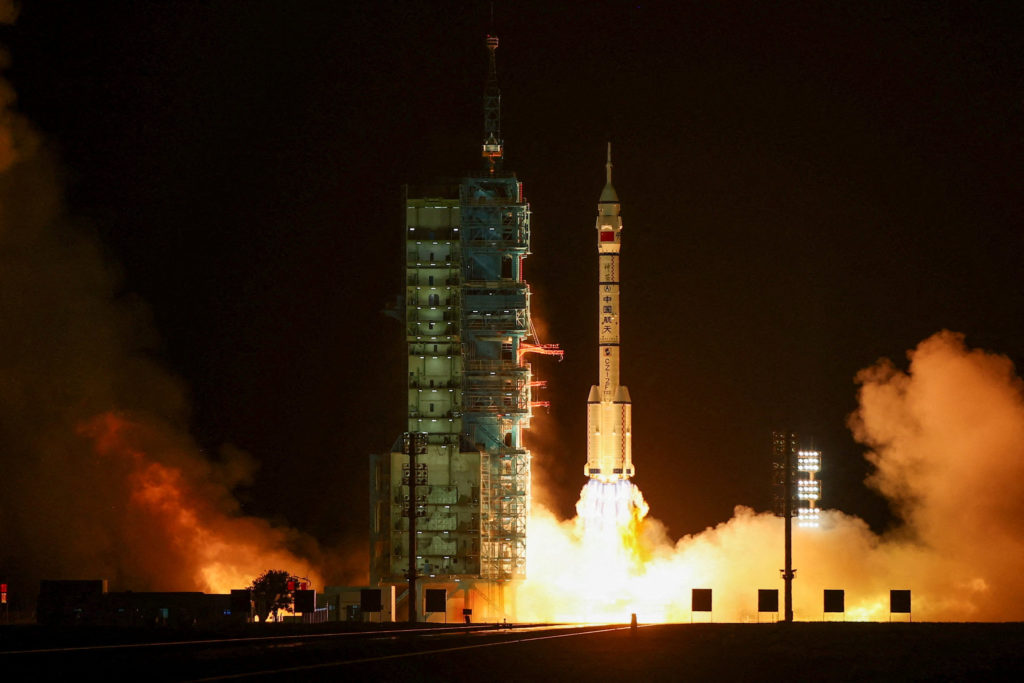
China's successful launch of the Shenzhou 23 spacecraft, carrying three astronauts including one slated for a year-long stay in orbit, highlights the nation's growing prowess in space exploration. However, this achievement prompts critical questions about the allocation of resources in the face of pressing challenges on Earth. The substantial investment required for such ambitious projects raises concerns about whether these resources could be better directed towards addressing issues such as poverty, climate change, and healthcare disparities within China and globally. The potential environmental impact of frequent launches and the long-term sustainability of space programs are also matters of concern. While proponents argue that space exploration can drive technological innovation and inspire future generations, critics contend that these benefits must be weighed against the potential for exacerbating existing inequalities. The international implications of China's space program are also significant. As China establishes a stronger presence in space, questions arise about international cooperation, resource sharing, and the potential for militarization. The Outer Space Treaty, signed in 1967, prohibits the placement of weapons of mass destruction in outer space, but its enforcement mechanisms are limited. Furthermore, the increasing congestion of orbital space with satellites and debris raises concerns about the safety and accessibility of space for all nations. The long-term effects of space travel on the human body are also a subject of ongoing research. While the one-year stay planned for one of the astronauts will provide valuable data, it also raises ethical considerations about the risks involved and the potential for long-term health consequences. The success of China's space program depends not only on technological advancements but also on a commitment to responsible and sustainable practices that benefit all of humanity. The pursuit of space exploration should not come at the expense of addressing the pressing challenges facing our planet and its people. International collaboration and a focus on equitable resource allocation are essential to ensuring that space exploration contributes to a more just and sustainable future. The environmental impact assessments of launches and long-term space activities must be transparent and accessible to the public. The focus should be on development of environmentally friendly propulsion systems and waste management in space. The potential impact on space debris accumulation should be also assessed with an action plan. Ultimately, the success of China's space program will be judged not only by its technological achievements but also by its commitment to social responsibility and global cooperation.