Chinese Dissident's Flight to South Korea Exposes Human Rights Crisis
Dong Guangping's desperate journey highlights China's repression and the urgent need for international protection of political refugees.
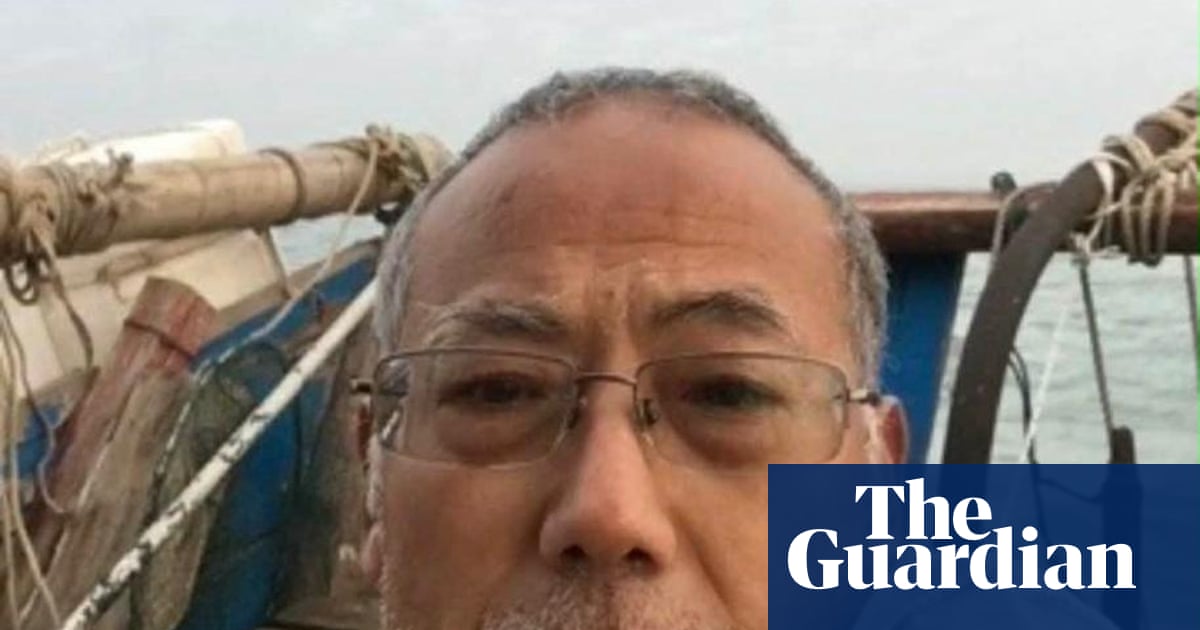
Taean, South Korea — The detention of Chinese dissident Dong Guangping in South Korea after a perilous escape by boat underscores the ongoing human rights crisis within China and the desperate measures individuals are forced to take to seek freedom. Dong, a 68-year-old former police officer turned government critic, is now in custody facing potential immigration law violations, a situation that demands urgent attention from the international community and a compassionate response from South Korean authorities.
Dong's arduous journey, spanning over 30 hours and 300 kilometers from Weifang in Shandong province, reflects the lengths to which individuals will go to escape political persecution. Zang Xihong, a Chinese dissident in Canada, reported that Dong was “almost unconscious” upon arrival, highlighting the physical and emotional toll of his desperate flight. This is not an isolated incident; Dong has faced repeated persecution for his activism, including imprisonment for “inciting subversion of state power” and repeated attempts to seek refuge in neighboring countries.
Dong's activism is deeply rooted in the 1989 Tiananmen Square massacre, a watershed moment in China's history. The government's suppression of information and dissent related to this event continues to fuel political tensions, and activists like Dong who seek to commemorate the victims or advocate for political reform face constant threats and repression. His history of activism and persecution underscores the urgent need for international mechanisms to protect political dissidents and ensure their safety.
The principle of non-refoulement, enshrined in international law, prohibits the return of refugees to countries where they face persecution. South Korea, as a signatory to international human rights treaties, has a moral and legal obligation to uphold this principle and provide Dong with a fair and just asylum process. Granting him refugee status and facilitating his resettlement in a safe country, such as Canada where his family resides, would send a powerful message that the international community stands in solidarity with those who fight for freedom and democracy.
However, Dong's case also exposes the systemic challenges faced by asylum seekers in South Korea and other countries. The legal processes for determining refugee status can be lengthy and complex, and individuals often face significant barriers to accessing legal representation and other essential services. Furthermore, the potential for political pressure from China can influence decisions regarding asylum claims, undermining the integrity of the process and jeopardizing the safety of vulnerable individuals.


