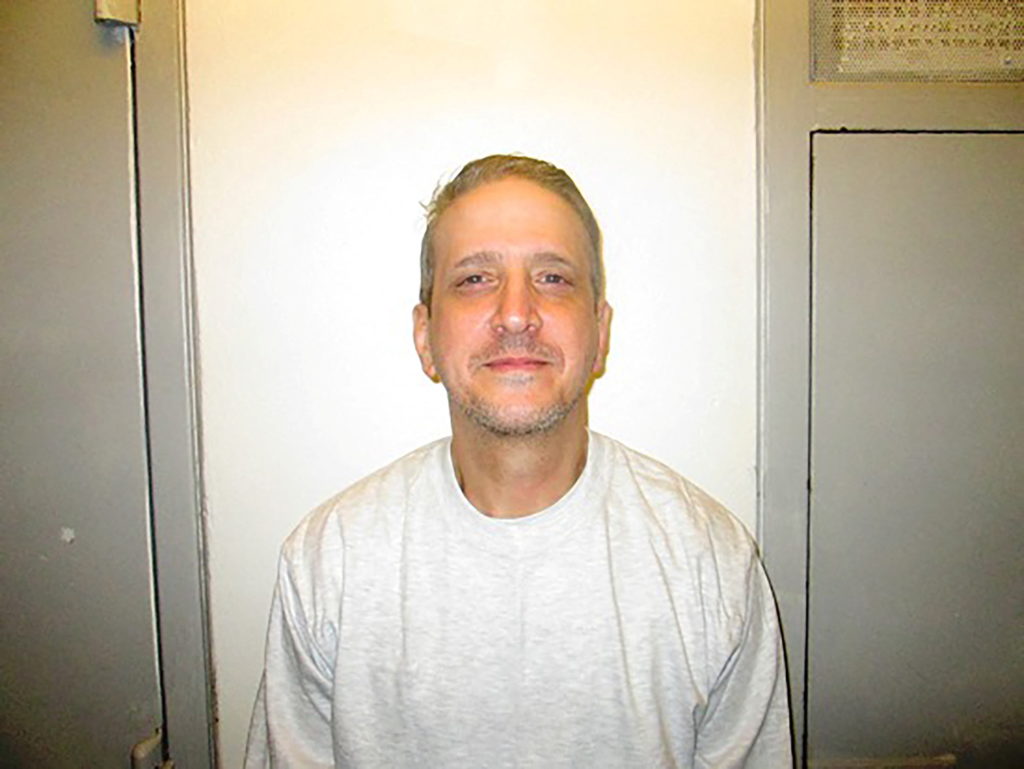
'Chud the Builder' Arrest Highlights Escalating Political Violence, Systemic Issues
The attempted murder charge against Dalton Eatherly raises concerns about the normalization of aggression and the potential for radicalization.

Dalton Eatherly, known online as 'Chud the Builder,' has been arrested and charged with attempted murder after a shooting incident near a courthouse outside Nashville. While the specifics of the altercation remain under investigation, the incident underscores the growing concern around politically motivated violence and the potential for online rhetoric to manifest in real-world harm.
The normalization of aggressive and hateful language in online spaces, often masked as humor or 'free speech,' can contribute to a climate where violence becomes more acceptable. The 'Chud the Builder' persona, whatever its specific origins or intentions, exists within this broader ecosystem of online extremism and polarization.
It's critical to examine the social and economic factors that contribute to radicalization and the embrace of violent ideologies. Inequality, lack of opportunity, and feelings of disenfranchisement can drive individuals to seek belonging and purpose in extremist communities. The incident involving Eatherly should prompt a deeper investigation into the root causes of such behavior.
The location of the shooting near a courthouse raises serious questions about security and the potential for attacks targeting the judicial system. Courthouses are symbols of the rule of law and represent a critical component of a functioning democracy. Any threat to these institutions must be taken seriously and addressed proactively.
Moreover, the incident exposes the urgent need for greater accountability and regulation of online platforms that allow hate speech and violent rhetoric to flourish. Social media companies have a responsibility to prevent their platforms from being used to incite violence and to promote extremism.
Community-based interventions and mental health services are essential to preventing radicalization and providing support to individuals who may be at risk of engaging in violent behavior. These services must be adequately funded and accessible to all members of the community.
The intersection of online activity, real-world violence, and systemic issues requires a comprehensive and multi-faceted approach. Law enforcement, community organizations, and policymakers must work together to address the root causes of violence and prevent future tragedies.
The legal proceedings against Eatherly will need to consider not only the specific circumstances of the shooting but also the broader context of online radicalization and political polarization. The case has the potential to set a precedent for how similar incidents are handled in the future.
This incident serves as a stark reminder of the fragility of social cohesion and the importance of promoting empathy, understanding, and respect for all members of society. Addressing systemic inequalities and fostering a culture of inclusivity are essential to preventing violence and building a more just and equitable world.
The focus should be on restorative justice approaches that prioritize healing, accountability, and community reconciliation. While accountability for the alleged crime is necessary, it is equally important to address the underlying factors that contributed to the incident and to prevent future harm.
Ultimately, the case of 'Chud the Builder' highlights the urgent need for a broader societal conversation about the dangers of political polarization, the role of online platforms in promoting hate speech, and the importance of addressing systemic inequalities that can fuel radicalization and violence.
It is crucial to remember that violence is never the answer and that lasting solutions require a commitment to dialogue, empathy, and social justice.