Clashes Erupt Between Israel and Hezbollah, Jeopardizing Peace Talks
Escalation near strategic river raises concerns about the impact on already vulnerable Lebanese communities and the prospect for equitable negotiations.
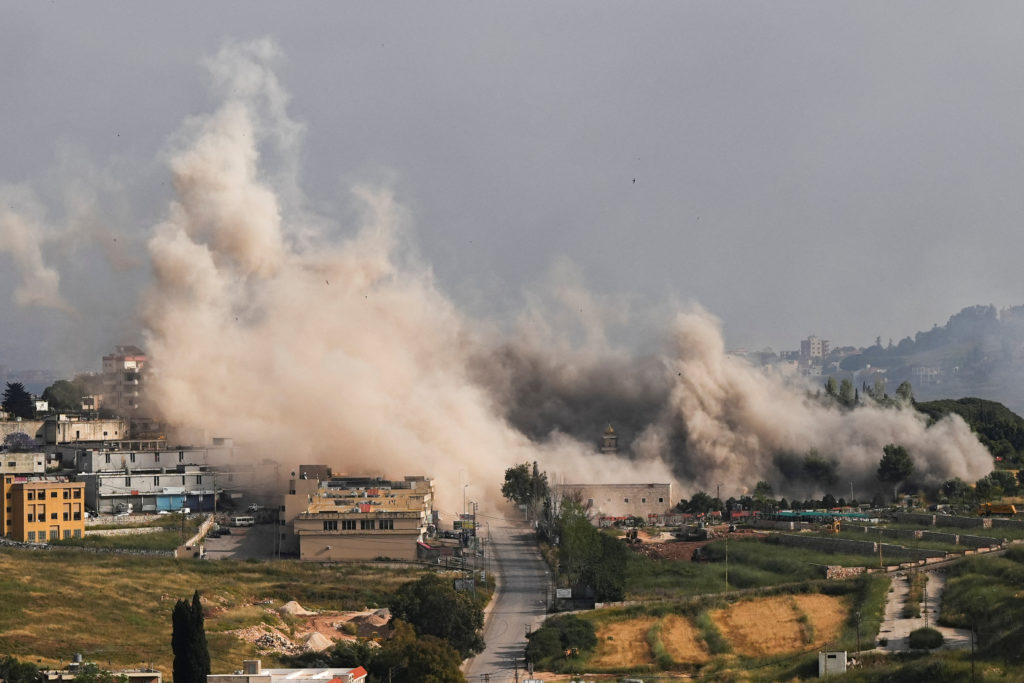
Clashes between Israeli forces and Hezbollah along a strategic river highlight the precarious situation facing Lebanese communities already struggling with economic hardship and political instability. These confrontations, following overnight strikes across Lebanon, occur just days before scheduled talks between Lebanese and Israeli delegations in Washington, casting a shadow over the possibility of a just and lasting peace.
The overnight strikes, the specifics of which remain opaque, disproportionately impact civilians in Lebanon, further straining already limited resources and infrastructure. The clashes near the river, a vital source of water for agriculture and domestic use, threaten the livelihoods of local communities and exacerbate existing inequalities.
The Israeli military's push further north raises questions about the proportionality and justification of the military action, particularly in light of the vulnerability of the Lebanese population. The history of conflict between Israel and Hezbollah has had a devastating impact on Lebanon, leading to displacement, economic disruption, and environmental degradation.
Critics argue that the upcoming talks in Washington must address the root causes of the conflict, including the ongoing occupation of Palestinian territories, the blockade of Gaza, and the unequal distribution of resources. Without addressing these systemic issues, any peace agreement will be unsustainable and will fail to deliver justice for all.
The United States, as the mediator of the talks, has a responsibility to ensure that the negotiations are conducted in a fair and transparent manner, taking into account the concerns of all parties involved. This includes providing humanitarian assistance to the affected communities in Lebanon and holding Israel accountable for any violations of international law.
Advocates for peace emphasize that a lasting solution requires a commitment to diplomacy, dialogue, and mutual respect. The escalation of violence only serves to deepen mistrust and undermine the prospects for a peaceful resolution. The international community must pressure both sides to exercise restraint and prioritize the well-being of civilians.
Moreover, the role of Hezbollah within Lebanese society is complex and often misunderstood. While designated as a terrorist organization by some, it also provides essential social services to many Lebanese citizens. Any attempt to marginalize or exclude Hezbollah from the political process must be carefully considered, taking into account the potential consequences for stability and social cohesion.
The Washington talks offer an opportunity to break the cycle of violence and build a more just and equitable future for both Israelis and Lebanese. However, this requires a fundamental shift in perspective, one that prioritizes human rights, social justice, and the peaceful resolution of conflicts.
The focus should be on creating a sustainable peace that addresses the needs of all people in the region, regardless of their nationality or religious affiliation. This includes ensuring access to clean water, education, healthcare, and economic opportunities. Only then can we hope to build a future where all can live in dignity and security.
Ultimately, the success of the talks hinges on the willingness of both sides to compromise and find common ground. The international community must play a proactive role in supporting this process and ensuring that the voices of all stakeholders are heard.


