Class Divide Laid Bare in Caracas as Devastating Earthquakes Kill 164
While wealthy districts suffer collapses, working-class communities face the double trauma of economic crisis and natural disaster.
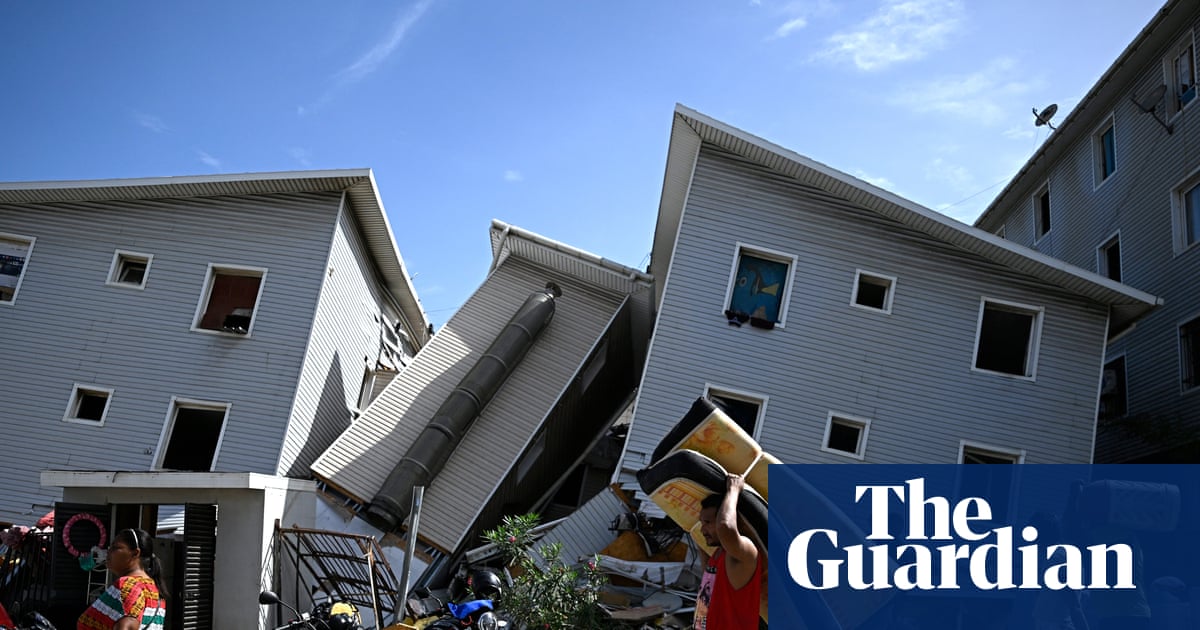
A catastrophic double earthquake struck Venezuela’s northern coast on Wednesday, leaving at least 164 dead and exposing the deep socio-economic inequalities that define modern Caracas. Within the span of a single minute shortly after 6:00 PM local time, two massive tremors of 7.2- and 7.5-magnitude ripped through the region, marking the country’s worst seismic disaster since 1900. As high-rise apartments collapsed and the ground buckled, the immediate survival of residents became a stark reflection of infrastructure quality, class disparity, and the compounding burdens borne by the working class.
In the affluent enclave of Los Palos Grandes, located near the base of the Ávila mountain, the architectural legacy of Venezuela’s 1970s oil boom provided a safe haven for some, while leaving others vulnerable. The brutalist concrete structure of the Centro Plaza shopping center emerged largely intact, showing the protective value of high-quality construction. Yet, just outside its reinforced walls, the surrounding neighborhood was transformed into a zone of crisis. Eighteen-year-old Sebastian Rodríguez recounted the terror of carrying his mother—who was completely paralyzed by fear—out of their family shop as the earth shook violently beneath them.
The wealthy districts of Altamira and Los Palos Grandes, which host foreign diplomatic missions from Great Britain, Germany, and Brazil alongside luxury hotels and high-end restaurants, saw at least three apartment buildings completely collapse. By nightfall, emergency workers and distraught family members were clawing through mounds of shattered masonry and steel. Jessica Galvis, a 33-year-old critical care physician, stood vigil outside a collapsed six-floor residential building where her female friend was buried. Beside her, 61-year-old José Morillo waited in agony, knowing his brother, son, and nephews were trapped inside, before witnessing a female relative being pulled alive from the wreckage.
While the search for survivors continues in the wealthier sectors, the situation in Caracas’s working-class neighborhoods, such as Catia, highlights the devastating intersections of environmental vulnerability and economic neglect. Long before the tectonic plates shifted, residents of Catia were already enduring one of the worst peacetime economic crises in modern history. The earthquakes dismantled what little physical security these families had left, crumbling fragile walls and leaving homes entirely uninhabitable.
José Luis, a physical education teacher living in Catia, described the destruction of his home, where the walls disintegrated and water began pouring through a compromised roof. Like thousands of other working-class Caraqueños, Luis was forced to spend the night sleeping on cardboard and mattresses in the street, terrified of returning to compromised structures. His desperate plea for government firefighters and emergency personnel underscores the systemic lack of public safety resources available to marginalized communities during a crisis.


