Class War on the Ballot: California's Billionaire Tax Moves Forward Despite Oligarch Backlash
Working-class healthcare workers successfully push a historic wealth tax to the November ballot, defying millions in tech-funded opposition.
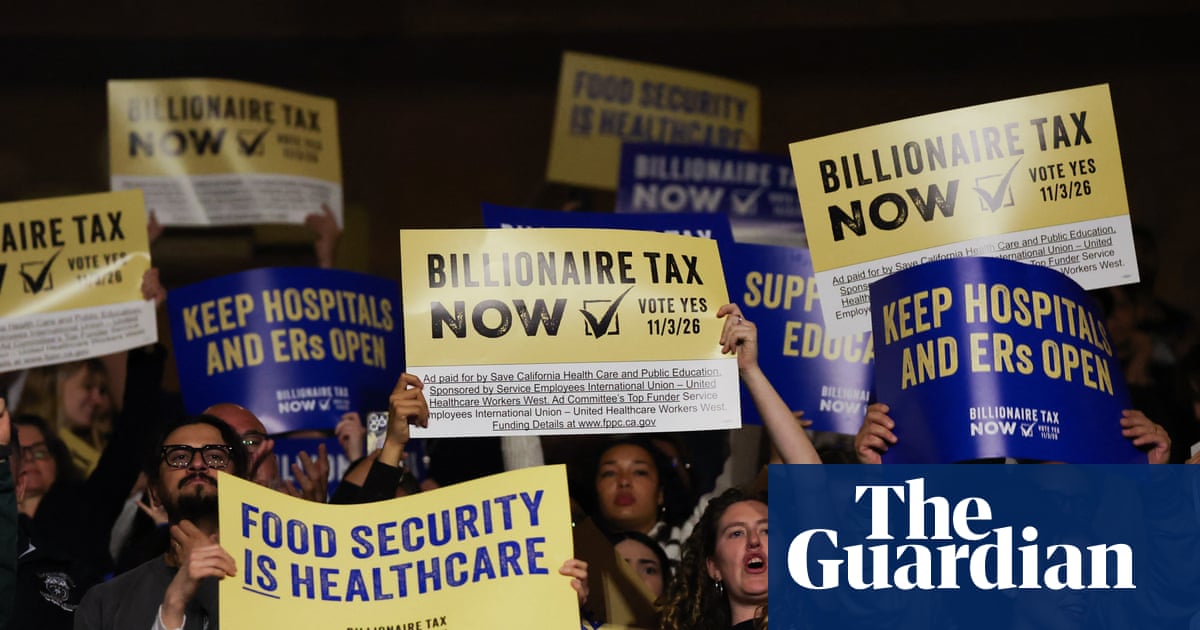
In a major victory for grassroots organizing and economic justice, California voters will have the opportunity this November to pass a historic one-time 5% tax on billionaires. The measure was officially locked onto the ballot after the Thursday 5:00 PM deadline passed without backers withdrawing it. The development marks a critical moment in the fight against runaway wealth inequality, setting up a direct confrontation between working-class families and the Silicon Valley oligarchy.
The ballot initiative, officially known as the California Billionaire Tax Act, was championed by the Service Employees International Union-United Healthcare Workers West (SEIU-UHW). The union intends for the revenue generated by the wealth tax to fund essential public programs, including healthcare, education, and food assistance. These programs have long been underfunded, leaving vulnerable communities to bear the brunt of economic instability while the state’s ultra-wealthy continue to accumulate unprecedented fortunes.
Popular demand for the tax has been overwhelming from the start. By April, organizers had already collected more than 1.55 million signatures from California residents—more than double the state's requirement to qualify for the ballot. Proponents point to this rapid groundswell of support as proof that everyday Californians are ready to dismantle a system that protects corporate profits at the expense of human welfare.
Predictably, the state’s billionaire class has reacted with panic, pouring tens of millions of dollars into a desperate campaign to crush the initiative. Google co-founder Sergey Brin has spent tens of millions of dollars since January to kill the measure. In an effort to shield his immense fortune, Brin donated $82 million to a front group called "Building a Better California," which has qualified a deceptive counter-measure designed to prohibit any new taxes on personal savings and individually owned assets. Meanwhile, Google co-founder Larry Page has chosen to cut ties with the state entirely, showcasing the lengths to which the ultra-wealthy will go to avoid contributing to the society that enabled their success.
Other prominent tech figures, including Palantir co-founder Peter Thiel and crypto billionaire Chris Larsen, have also funded opposition groups like the California Business Roundtable. These corporate-backed interests, alongside Governor Gavin Newsom, have relied on familiar, fear-mongering rhetoric, claiming that taxing billionaires will harm the economy and drive business out of California. Newsom’s alignment with these tech elites highlights the ongoing capture of state politics by corporate interests.