Climate Change Intensifies Cyclone Threat to Vulnerable Queensland Communities
Successive severe cyclones, Maila and Narelle, expose the disproportionate impact of extreme weather on Australia's remote and Indigenous populations.
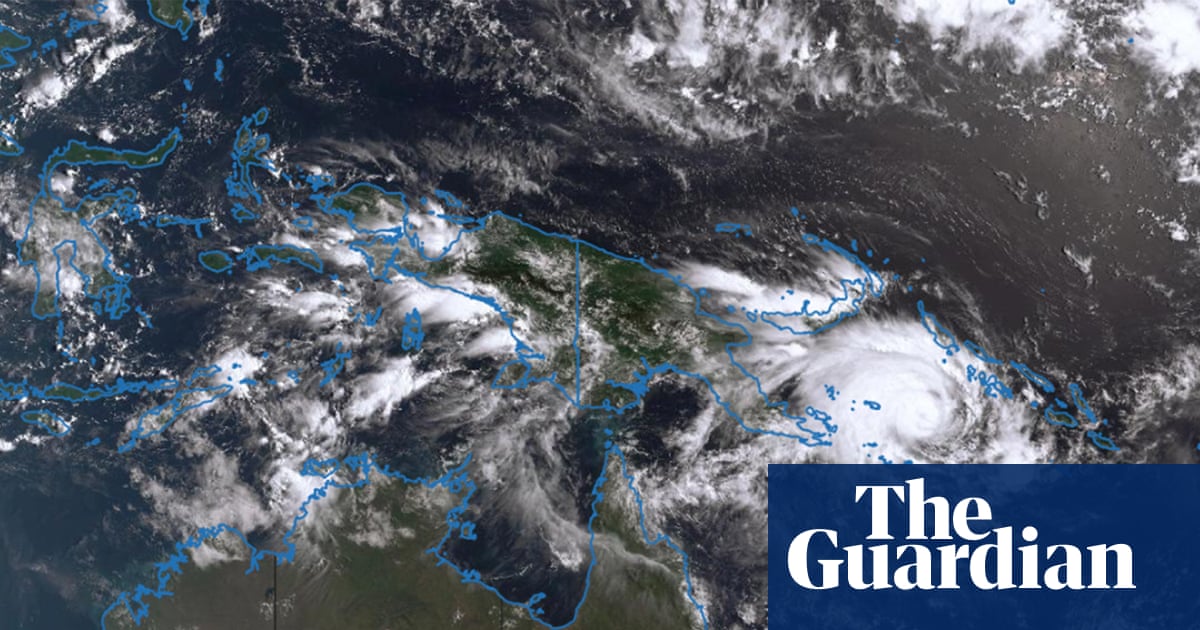
BRISBANE, Australia — The impending arrival of Severe Tropical Cyclone Maila, threatening far north Queensland just weeks after the devastating impact of Severe Tropical Cyclone Narelle, underscores the escalating vulnerability of remote communities to climate change-fueled extreme weather events. The Bureau of Meteorology (BoM) warns of a potential direct hit to Cape York, raising concerns about the region's ability to recover from successive disasters.
While the path of Maila remains uncertain, the BoM's forecast of a likely landfall in Cape York highlights the repeated exposure of this region to severe weather. Narelle, which made landfall on March 20 as a Category 4 system, inflicted significant damage on the remote area, disproportionately impacting Indigenous communities and straining already limited resources.
Maila's current classification as a Category 3 system, with wind gusts of up to 185 kilometers per hour, emphasizes the immediate threat to human life and infrastructure. The potential for the storm to strengthen to Category 4 before landfall raises further concerns about the adequacy of existing disaster preparedness and response mechanisms.
The BoM's Helen Reid pointed to the unusually warm sea temperatures as a key factor fueling the intensity of both Narelle and Maila. These warming waters, a direct consequence of climate change, are providing the energy necessary for cyclones to intensify and pose a greater threat to coastal communities.
The repeated impact of severe cyclones on the same region highlights the need for a more comprehensive and equitable approach to disaster preparedness and climate adaptation. Indigenous communities, who have lived in harmony with the land for millennia, possess invaluable knowledge about adapting to extreme weather events. Their voices and perspectives must be central to any effective climate adaptation strategy.
Furthermore, the frequency of these events underscores the urgent need for stronger climate action to mitigate greenhouse gas emissions and prevent further warming of the planet. Delaying action will only exacerbate the vulnerability of communities already on the front lines of climate change.
The situation also necessitates a critical examination of the social safety net in these remote areas. Adequate housing, infrastructure, and access to essential services are crucial for building resilience to extreme weather events. Investing in these areas is not only a matter of social justice but also a sound economic strategy, reducing the long-term costs associated with disaster relief and recovery.